
Inline Gallery
The South Australian Museum has revealed the 2023 shortlist of images in the running for the prestigious title of Australian Geographic Nature Photographer of the Year.
Now in its 20th year, the annual search for the best wildlife and landscape photographs taken across Australia, New Zealand, Antarctica and New Guinea regions invites photographers of all ages, nationalities and experience levels to submit their best shots.
The competition, which is owned and produced by the South Australian Museum, has this year attracted 2182 entries from 550 photographers across 10 countries.
Acting Director of the South Australian Museum Justine van Mourik said this year's judges face an epic task coming up with a shortlist of just 95 images.
"From cute creatures and captivating celestial skies to unflinching scenes that capture the reality of humanity’s impact on nature, the 2023 shortlist showcases a wide variety of images that illustrate the beauty, fragility and power of our natural world," Ms van Mourik said.
This year, a new category has been introduced - Macro - with photographers submitting close-up shots of some of nature's smallest creatures and scenes.
The Australian Geographic Nature Photographer of the Year competition has 10 categories: Animals in Nature, Astrophotography, Urban Animals, Macro, Landscape, Threatened Species, Monochrome, Our Impact, Junior and Portfolio.
On Thursday 24 August 2023, the South Australian Museum will announce the overall winner, category winners, runners-up and the Portfolio Prize for 2023.
An exhibition showcasing the winners and the shortlist will be open at the South Australian Museum from Saturday 26 August 2023 until Sunday 29 October 2023.
You can view the full gallery of images at the South Australian Museum's website, or check out a selection of the shortlist below.
Category: Animals in nature
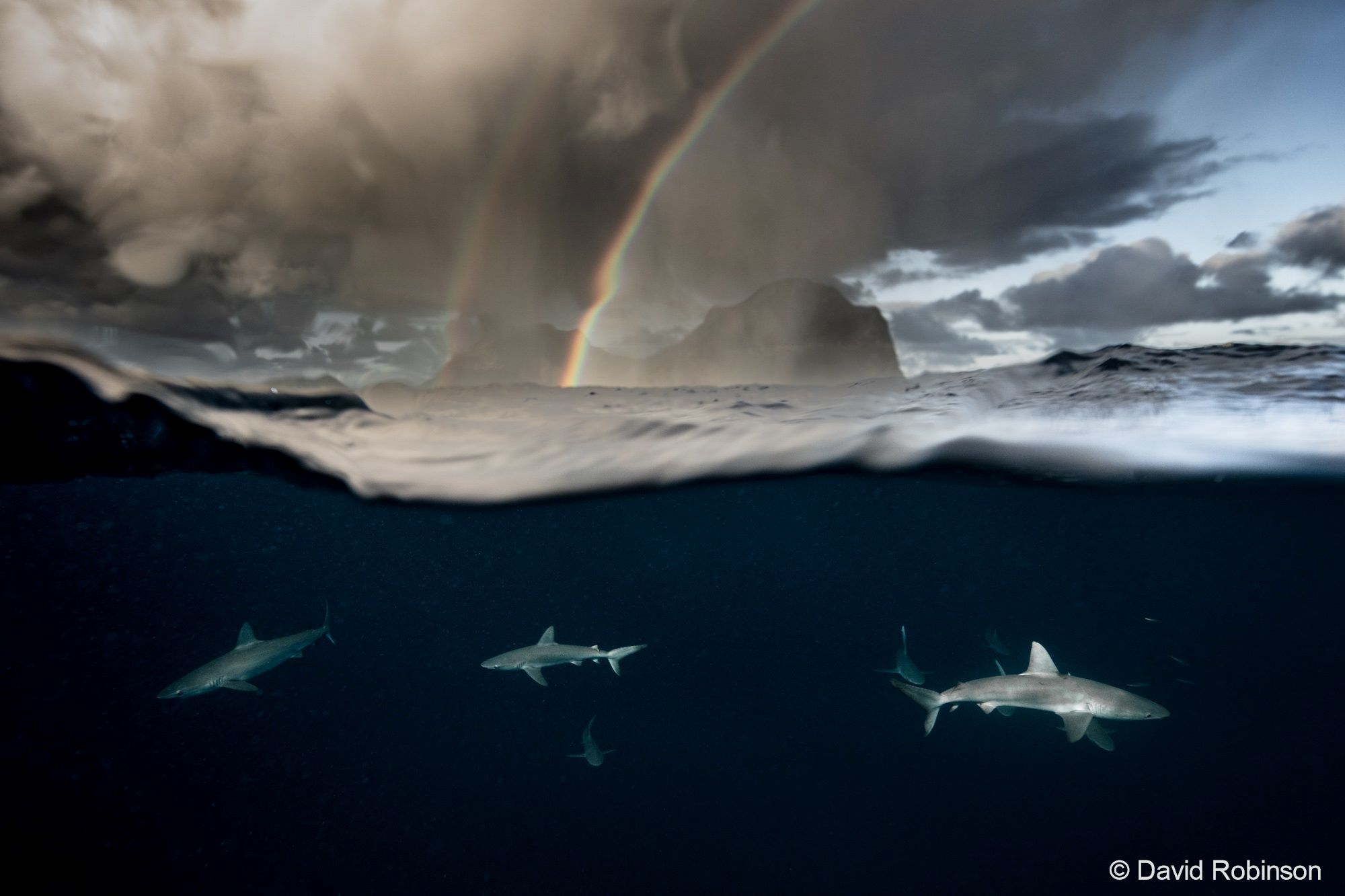
Somewhere Under the Rainbow by David Robinson
Lord Howe Island, New South Wales
Lord Howe Island is one of the few places in Australia where you can encounter the Galapagos shark. The charismatic sharks appear from the depths hoping to get lucky with scraps from the passing boats. A storm started to form over the famous Mt Gower and a double rainbow appeared, making this a very special moment for me.
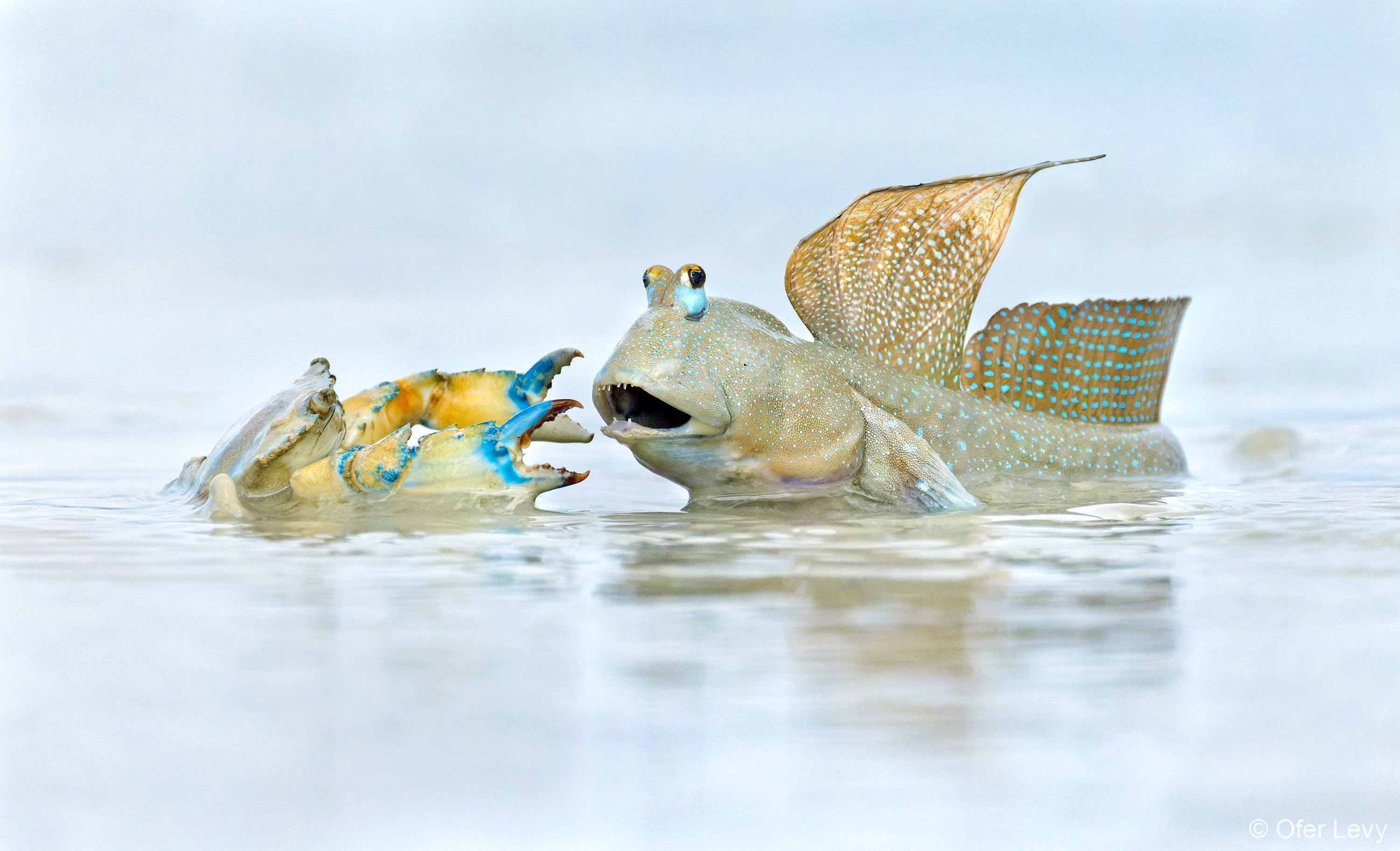
Neighbour’s Dispute by Ofer Levy
Broome, Western Australia
This image shows an encounter between a mud crab and a bluespotted mudskipper, which share the same habitat. It was a brief and slightly aggressive encounter initiated by the mudskipper but didn’t escalate into a real fight. I saw this behaviour a few times during my three visits to the area.
Category: Astrophotography
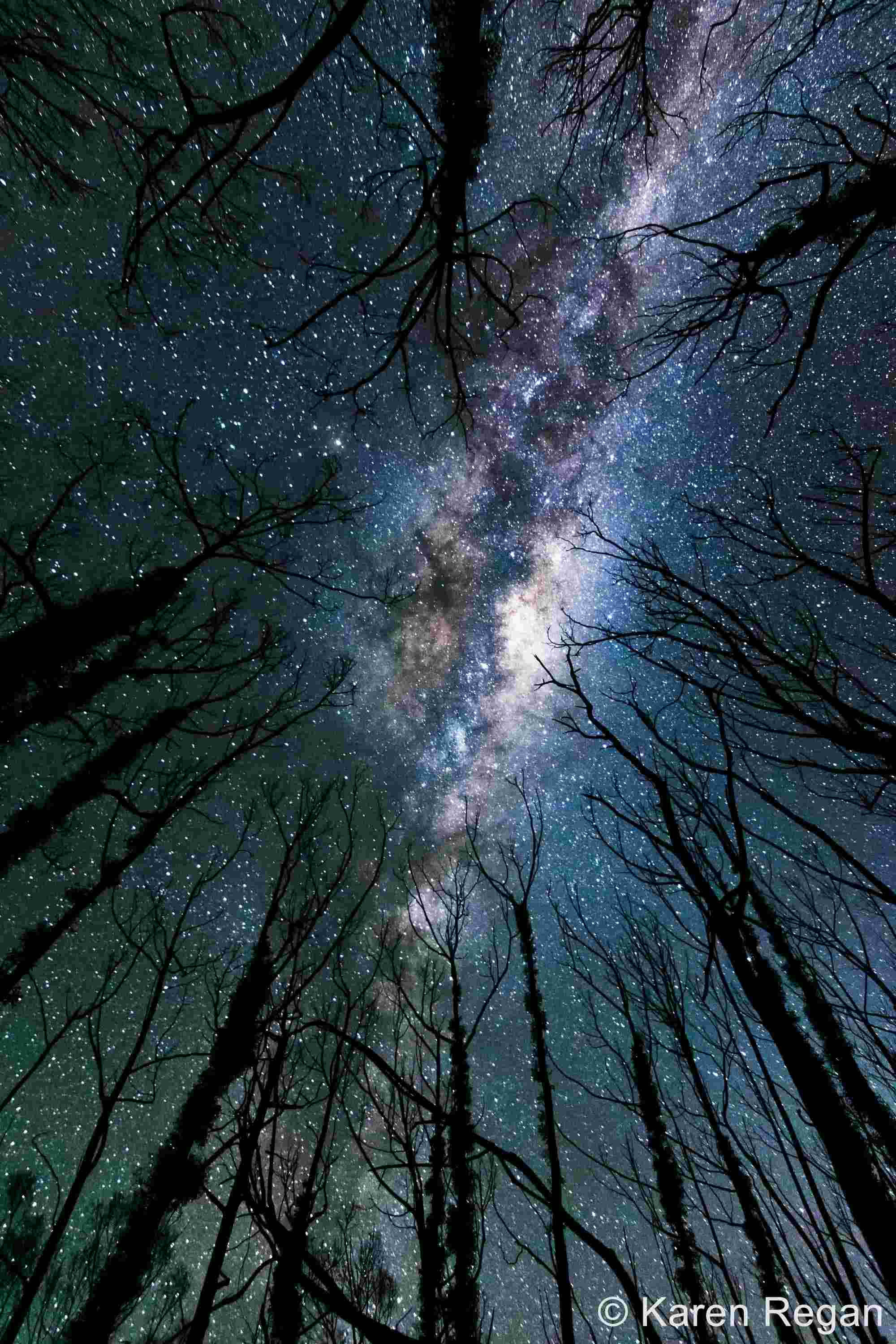
Above a blackened landscape by Karen Regan
East Boyd State Forest, New South Wales
I captured this image of the Galactic Centre not long after a raging Black Summer bushfire had devastated this peaceful part of the Sapphire Coast in early 2020. The charred remains of trees and lack of sounds from nocturnal animals made the atmosphere feel eerie at this location.
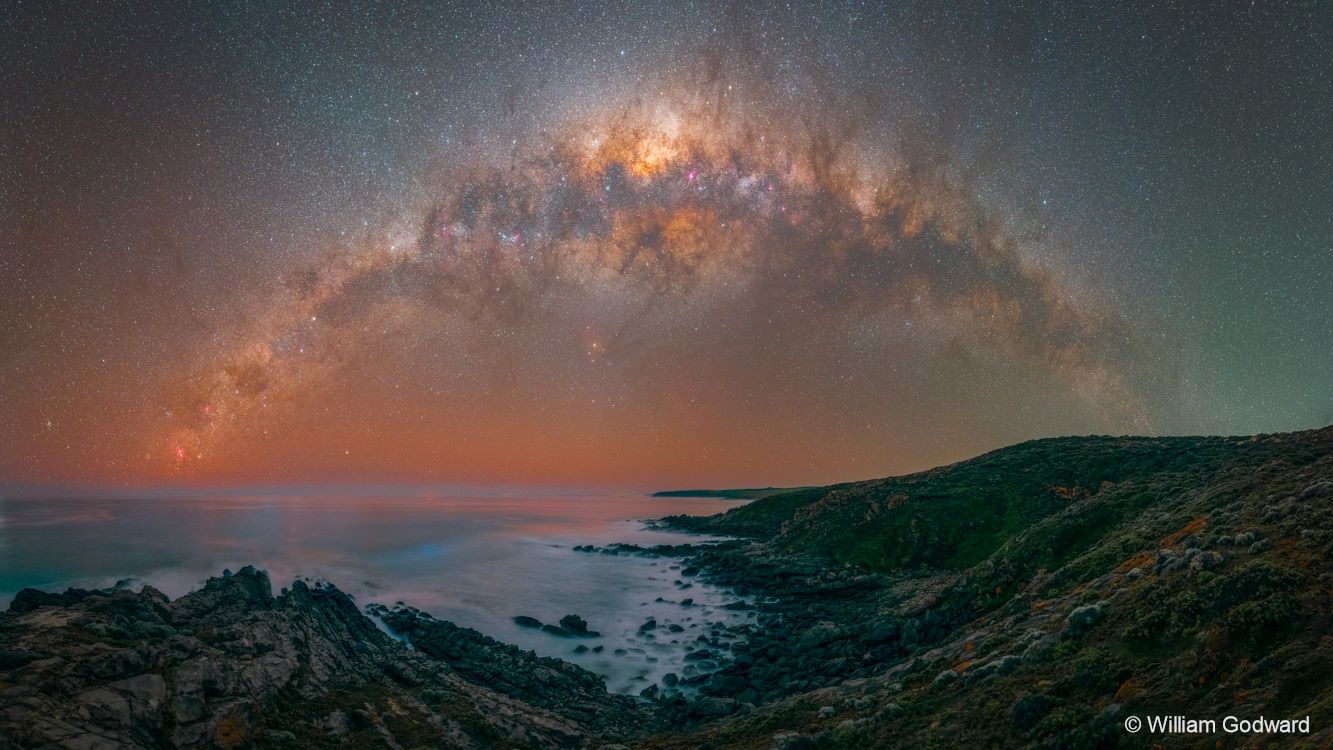
Southern Glow by William Godward
Parsons Beach, South Australia
The Milky Way galaxy setting over the beautiful coast of the Fleurieu Peninsula, South Australia. Can you also spot the blue bioluminescence lighting up the ocean? This shot took more than an hour to capture, with the final image combining 30 images into one panorama.
Category: Junior
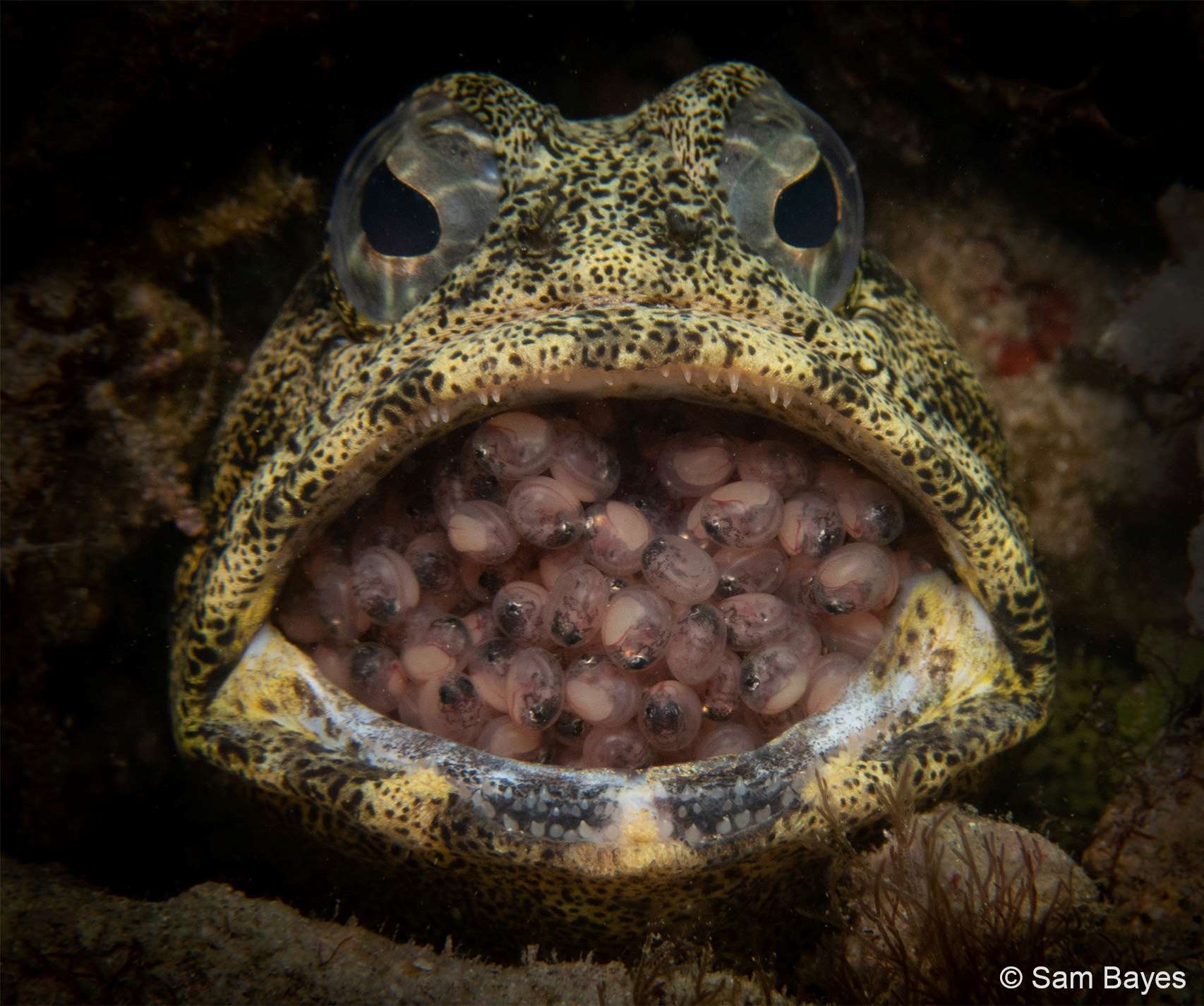
Fatherhood by Sam Bayes
Bundegi Beach, Exmouth, Western Australia
I found this Darwin jawfish in his burrow next to a boat ramp. He was very shy at first, trying to protect his mouthful of eggs; you can see the embryos within. The jawfish started to realise I wasn’t a threat and poked his head out more so I could get a photo of him.
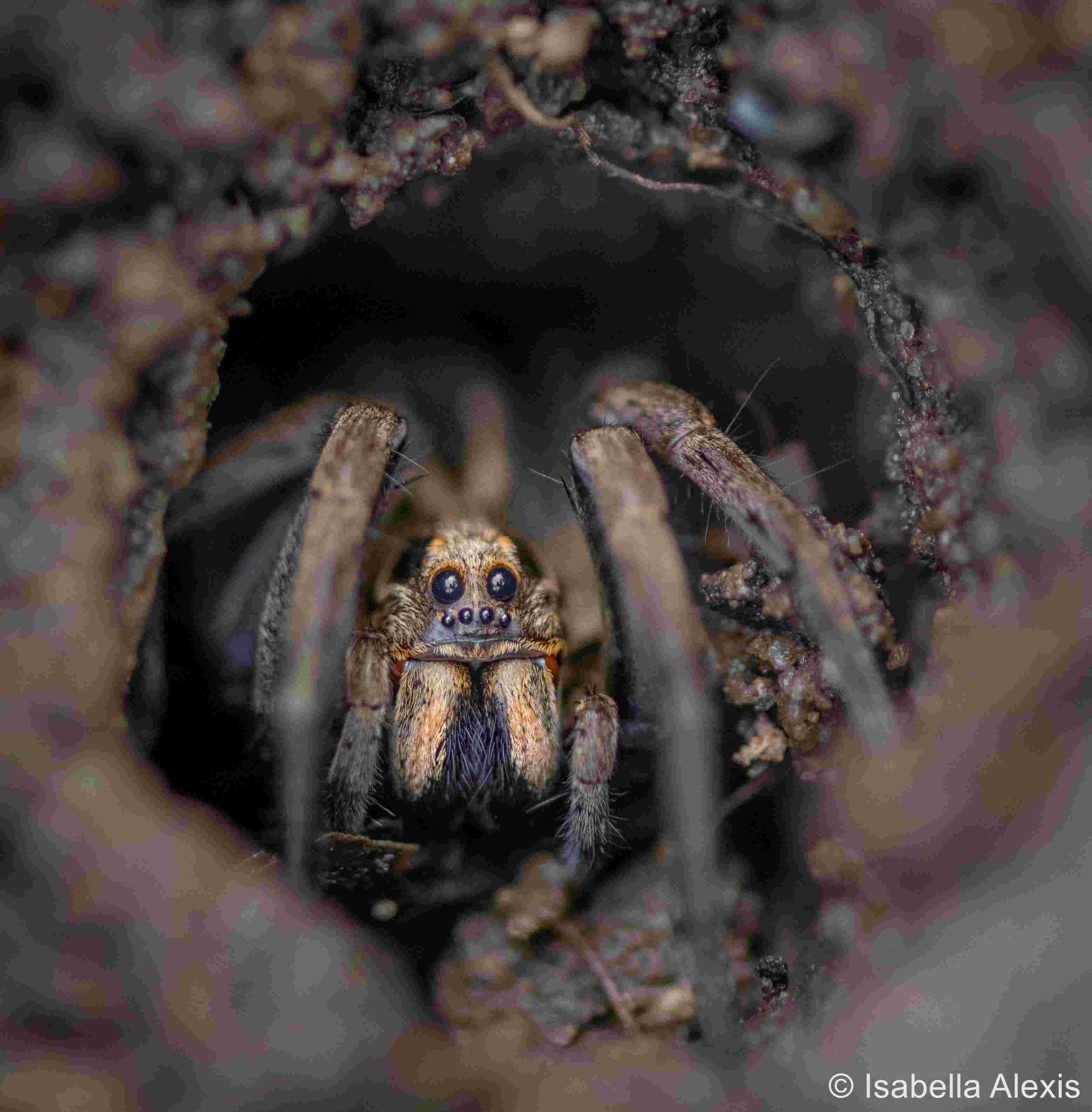
Hidden Courage by Isabella Alexis
Sunshine Coast, Queensland
Although it’s a petrifying first sight, ask yourself who is more scared right now? Since this is only a photograph, a paused juncture in time, you missed a vital moment. You missed the glimpse of her spiderlings hidden behind her, the moment she became a courageous mother in my eyes.
Category: Landscape
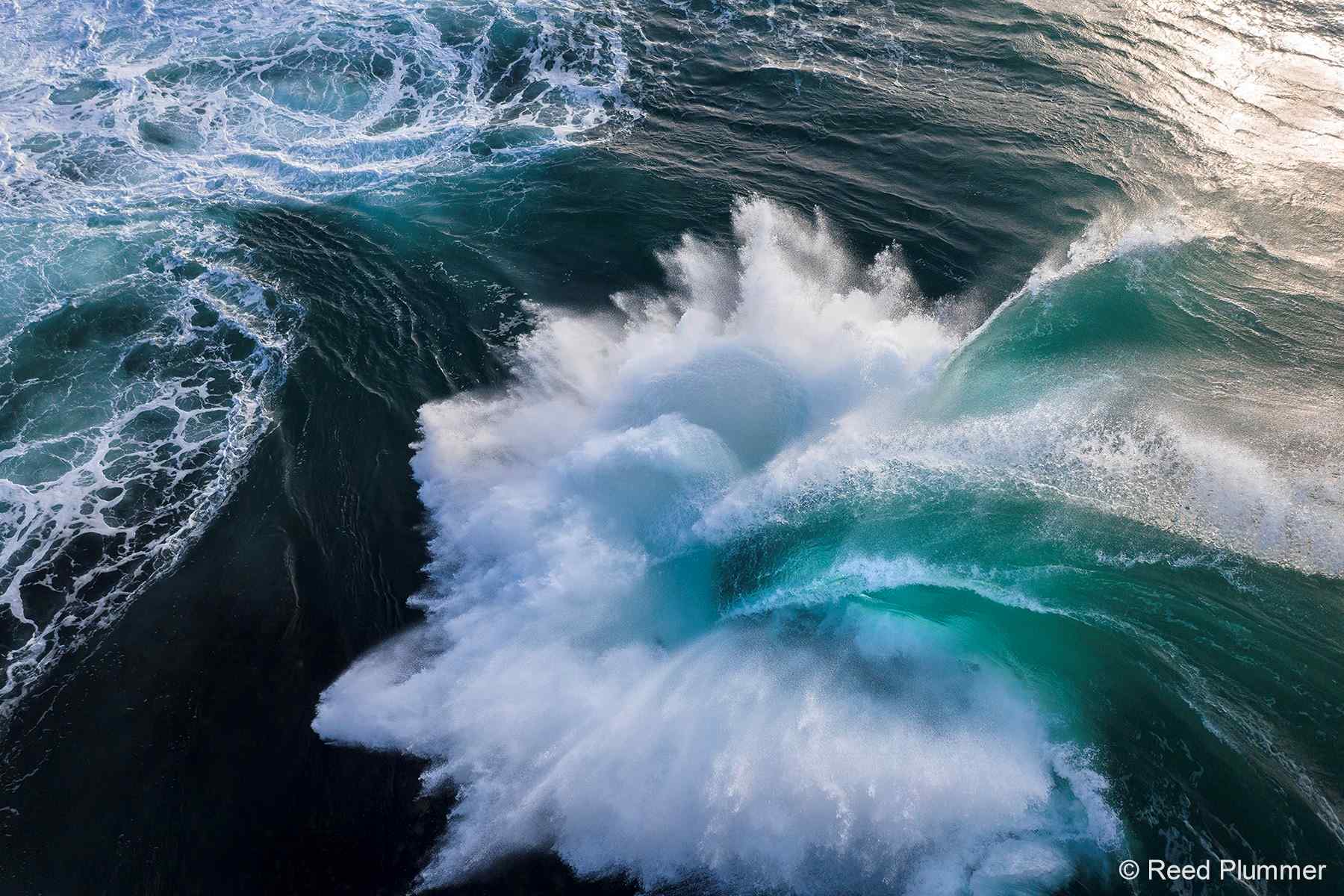
Armed Forces by Reed Plummer
South Coast, New South Wales
Energy never dissipates, it never disappears. Storms generate large swell and travel thousands of kilometres to unfold onto a shallow reef break. The energy of this wave, this swell, carries on inside whoever was lucky enough to experience this moment in nature.
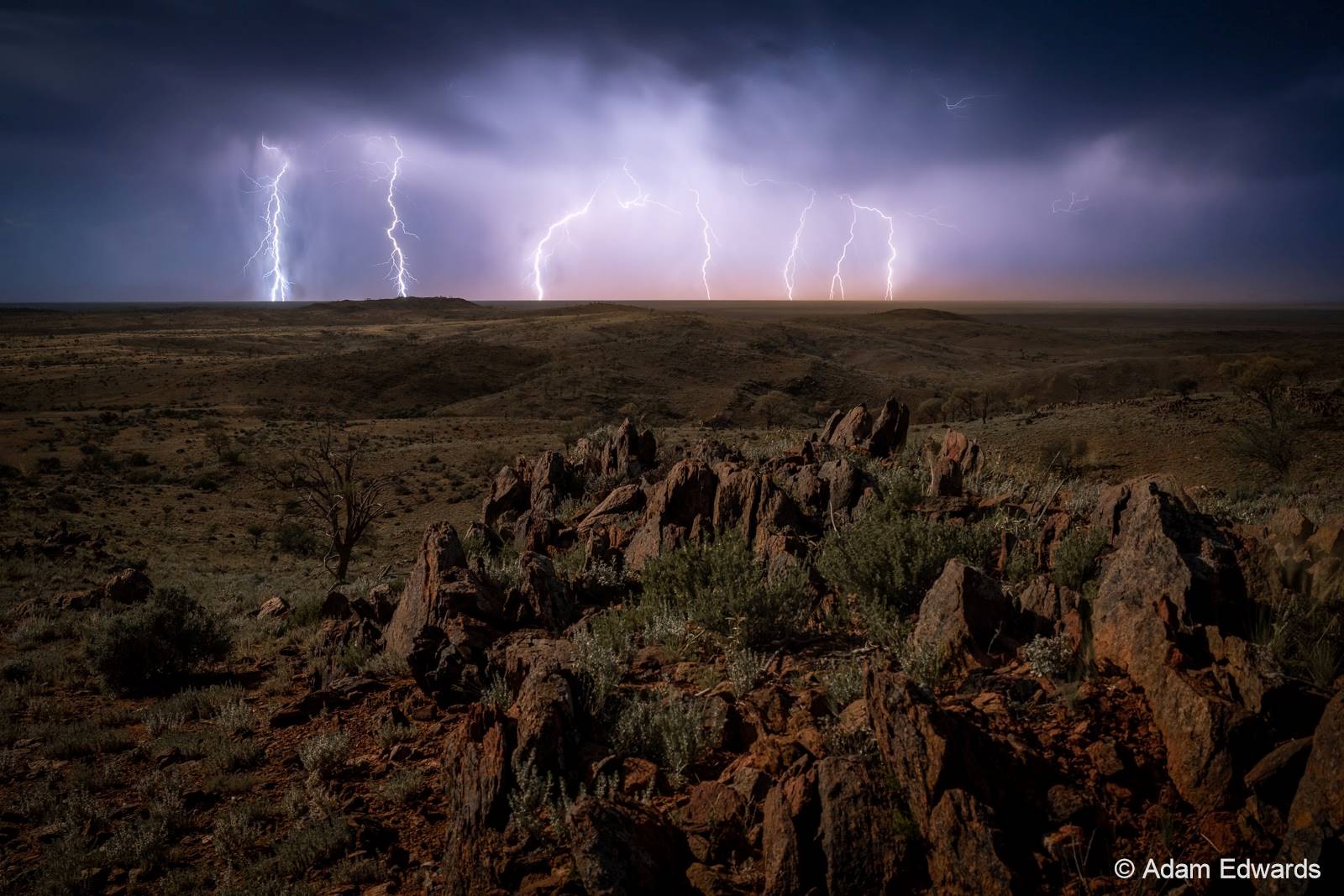
Moonlit Storm by Adam Edwards
Broken Hill, New South Wales
I always aim to make images that help the viewer feel like they’re standing right next to me. A passing storm in the distance and a bright moon above me allowed me to take a single, minute-long exposure to balance the storm and the landscape perfectly.
Category: Macro
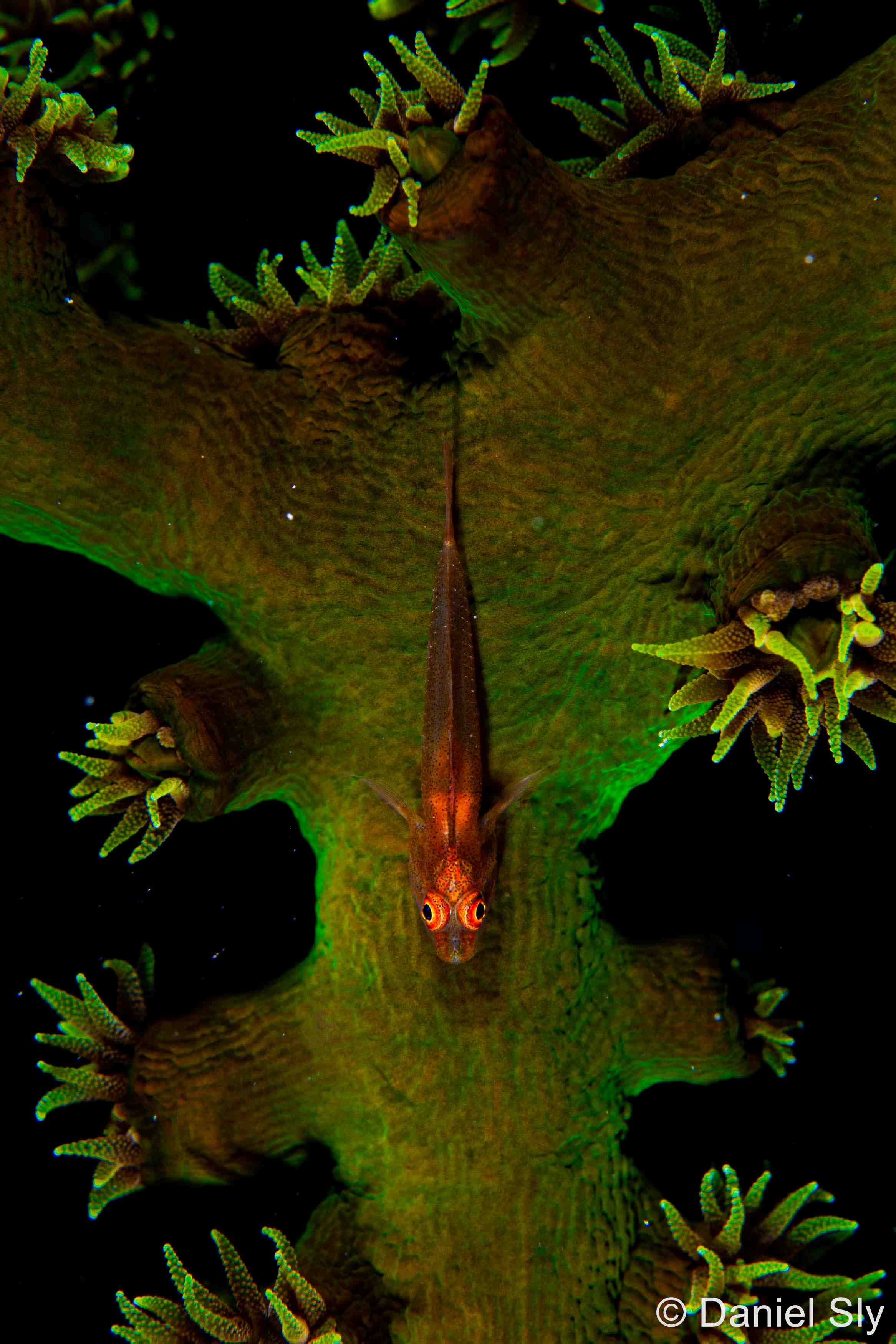
A Home Among the Polyps by Daniel Sly
Great Barrier Reef, Queensland
With the sun setting in the late afternoon, the underwater world transformed into a mesmerising display of colour and activity as miniscule coral polyps emerged for their nocturnal feeding ritual. Against the green backdrop of the coral, a red goby finds a peaceful resting spot, framed by the delicate feeding polyps.
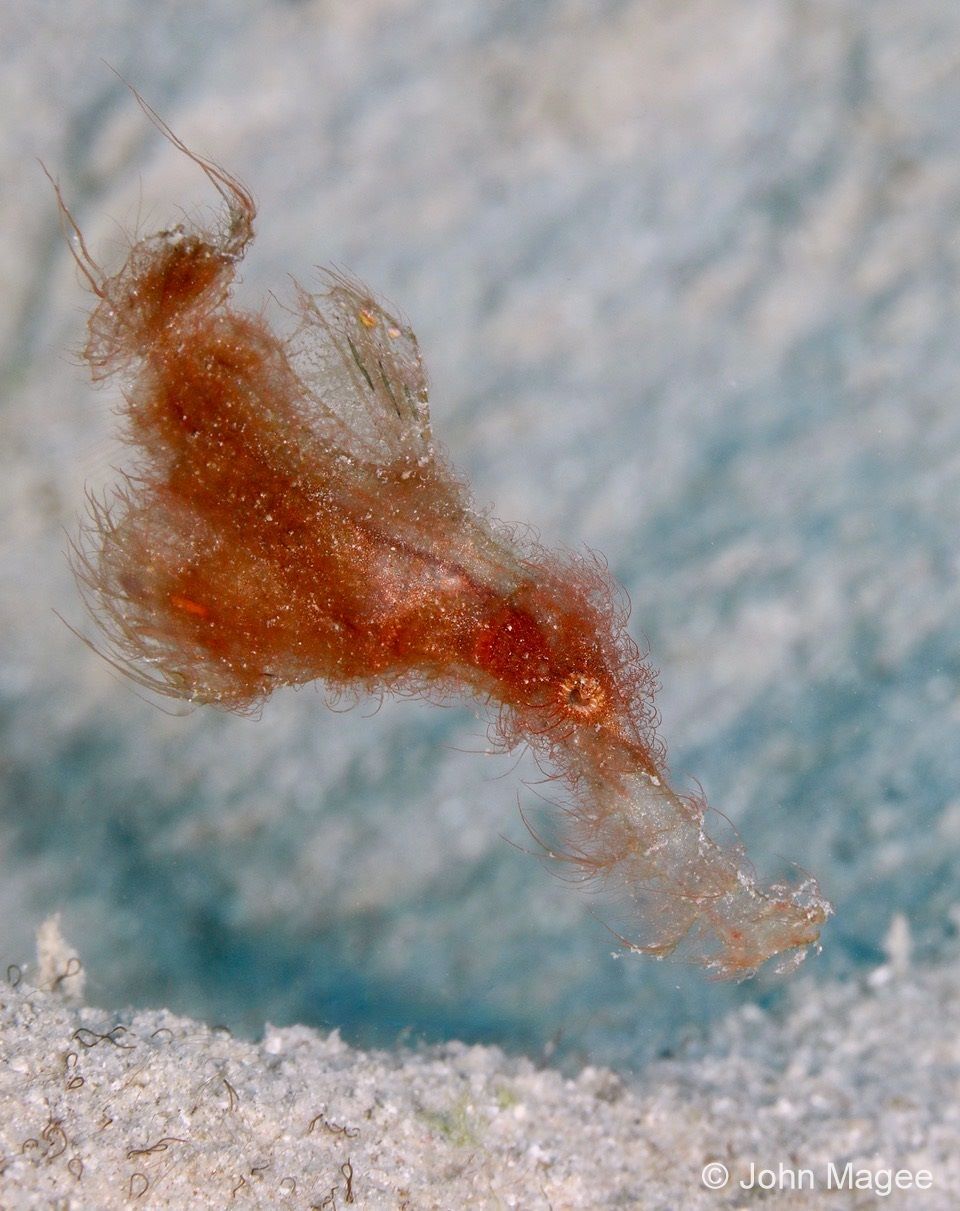
Hairy Harry by John Magee
Hastings Reef, Great Barrier Reef, Queensland
As a solo diver on the Great Barrier Reef, I jumped off the back of the boat and started looking for things in the sand. At about 12m I came across a patch of red algae and an eye looking at me – it was Harry the hairy ghost pipefish.
Category: Monochrome
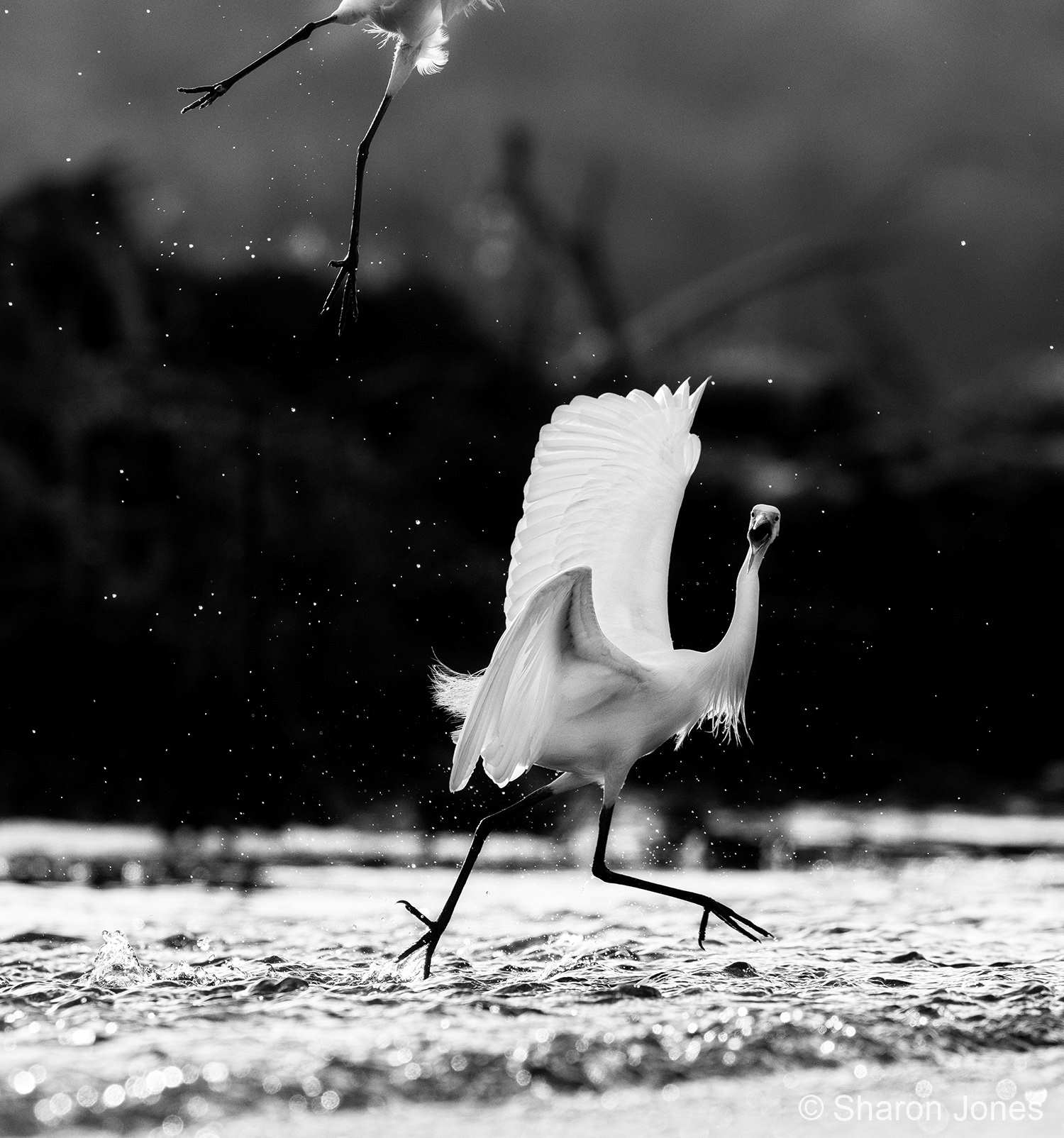
Sorry, this spot’s mine by Sharon Jones
Fogg Dam Conservation Reserve, Northern Territory
When wet season rains create a flow across the wall at Fogg Dam, waterbirds like these little egrets gather in the area to feed. The dense congregation of birds leads to brief, but intense, territorial disputes.
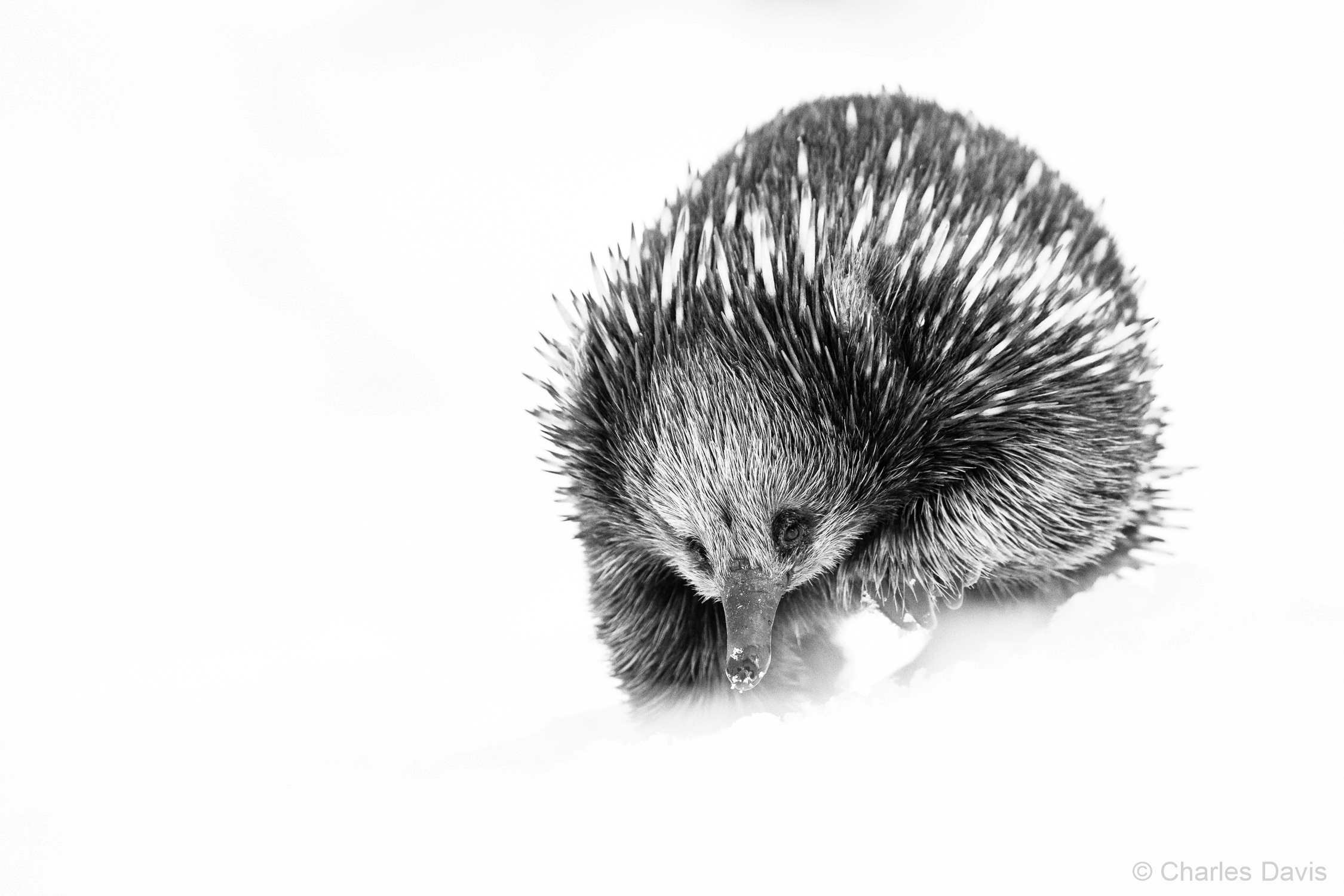
Adventure Ball by Charles Davis
Kosciuszko National Park, New South Wales
I spotted this echidna and after a short ski, I found it hidden near a couple building a ski jump. I asked them to pause their music and they did, with confused looks on their faces. The echidna soon emerged and headed straight past our legs into the trees.
Category: Our impact
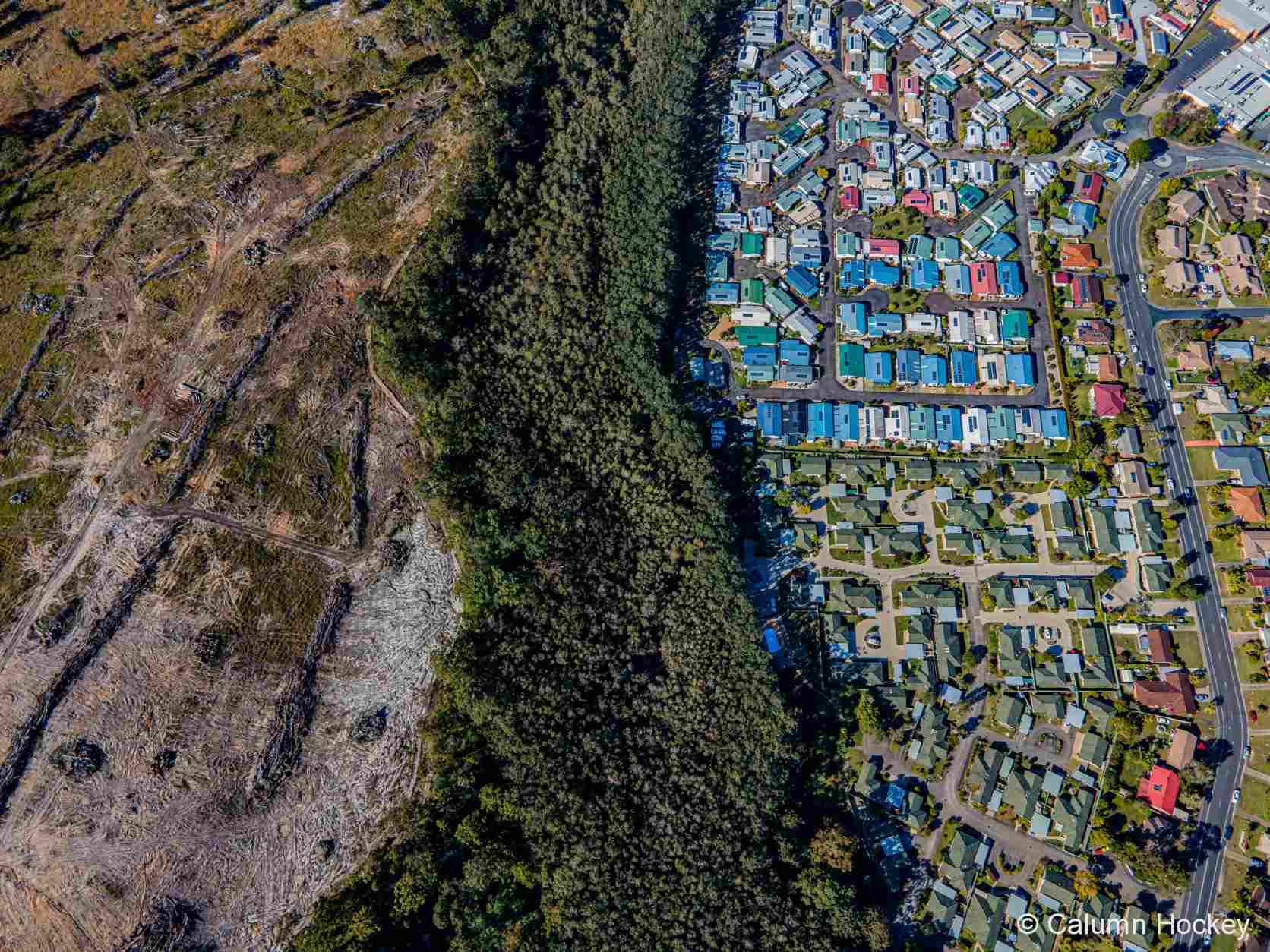
Housing over Habitat by Calumn Hockey
Nambucca Heads, New South Wales
An aerial image of a once-thriving koala habitat and crucial ecosystem for native fauna, now overtaken by an established housing estate and one in the early stages of being built. Koalas in New South Wales are now listed as endangered, with the potential to be extinct from the wild by 2050.
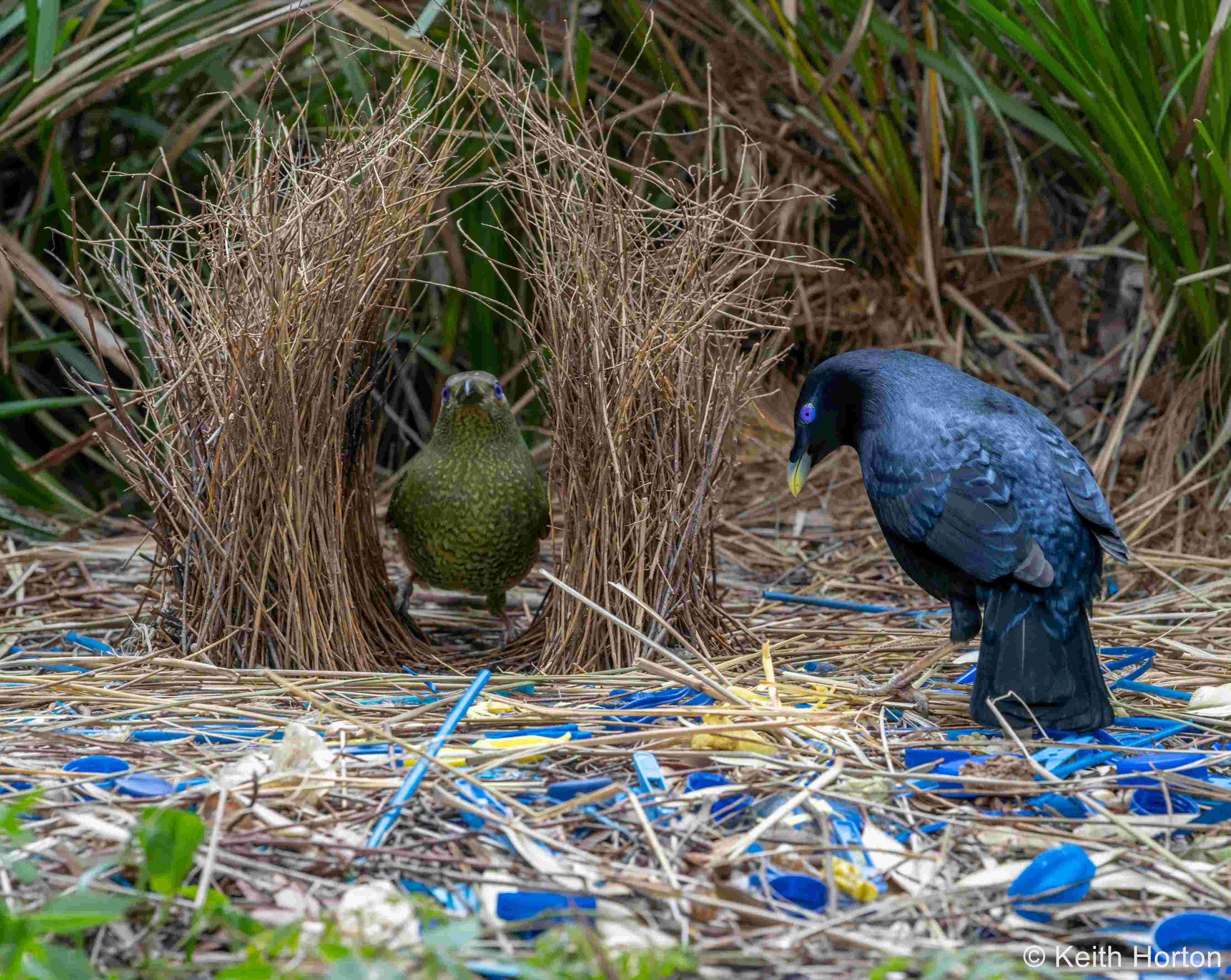
Satin Bowerbirds by Keith Horton
University of Wollongong, New South Wales
Male satin bowerbirds (on the right in this photo) build bowers and decorate the area with blue objects. In urban settings, these objects are mostly plastic. Females (on the left) visit the bowers and, based on their inspections, choose which male they will allow to mate with them.
Category: Threatened species
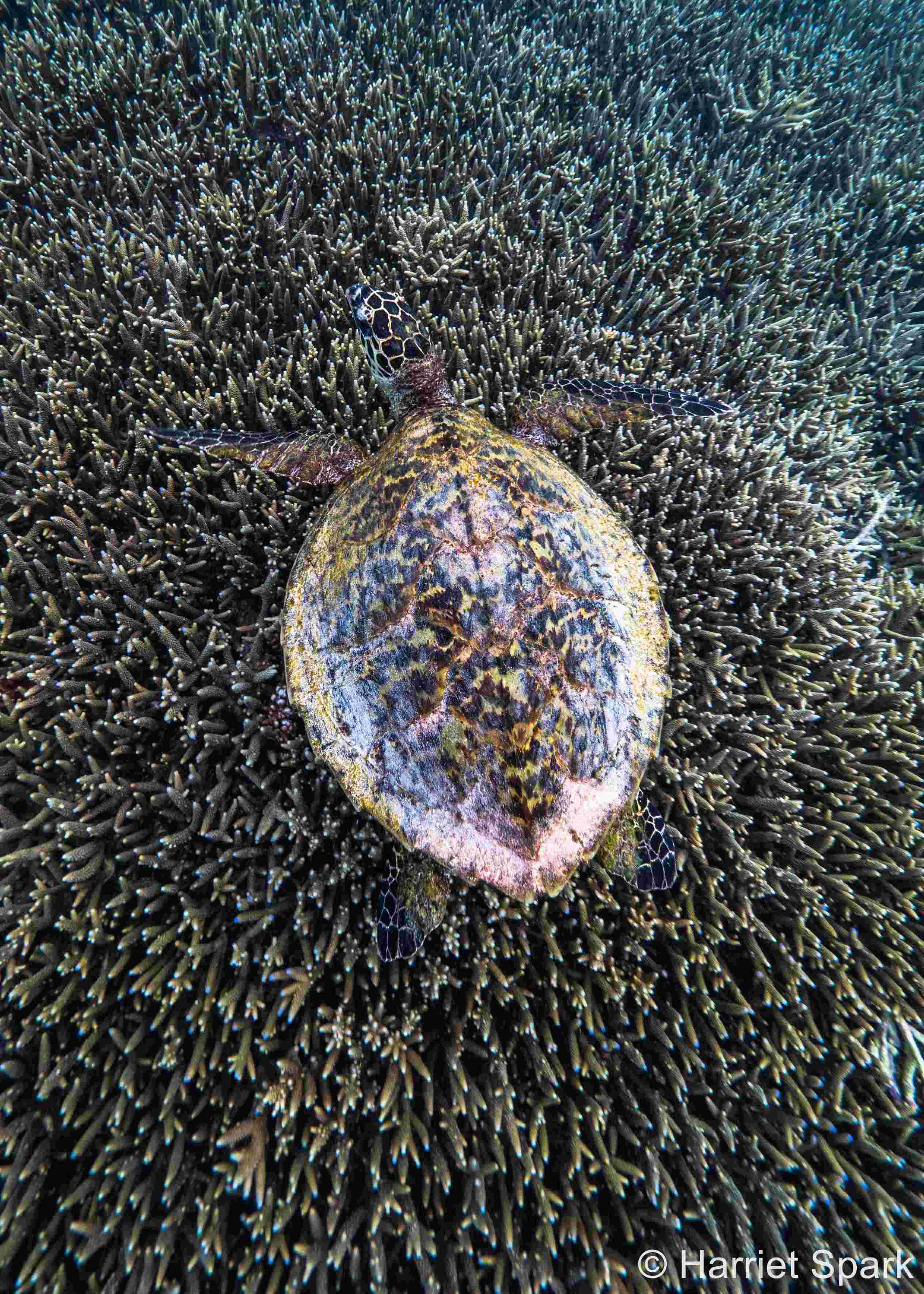
Disappearing Act by Harriet Spark
Lady Elliot Island, Queensland
Hawksbill turtles are disappearing as human-driven impacts like climate change, marine debris and poaching impact global populations. Lady Elliot Island is a protected ‘no take’ sanctuary where marine life can thrive. With less than eight per cent of our oceans globally protected, we need more places like this that are safe havens for marine life.
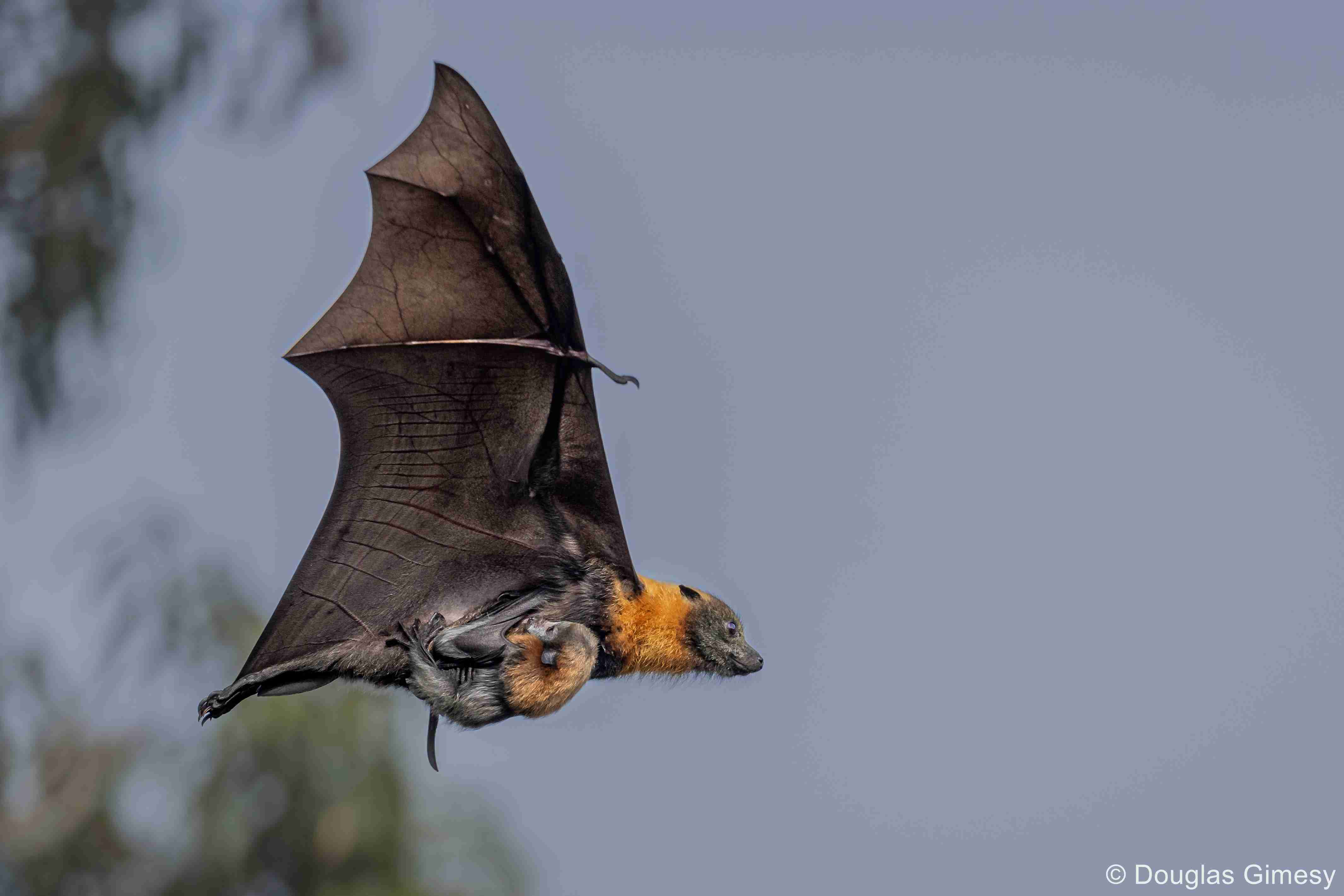
Baby on board By Doug Gimesy
Doveton, Victoria, Australia
By helping disperse pollen and seeds up the east coast of Australia, grey-headed flying foxes are a keystone species, vital for the health and regeneration of many of our forests. Listed as vulnerable to extinction, significant threats include continued habitat destruction and climate change–related events (e.g. heat stress, cold snaps).
Category: Urban animals
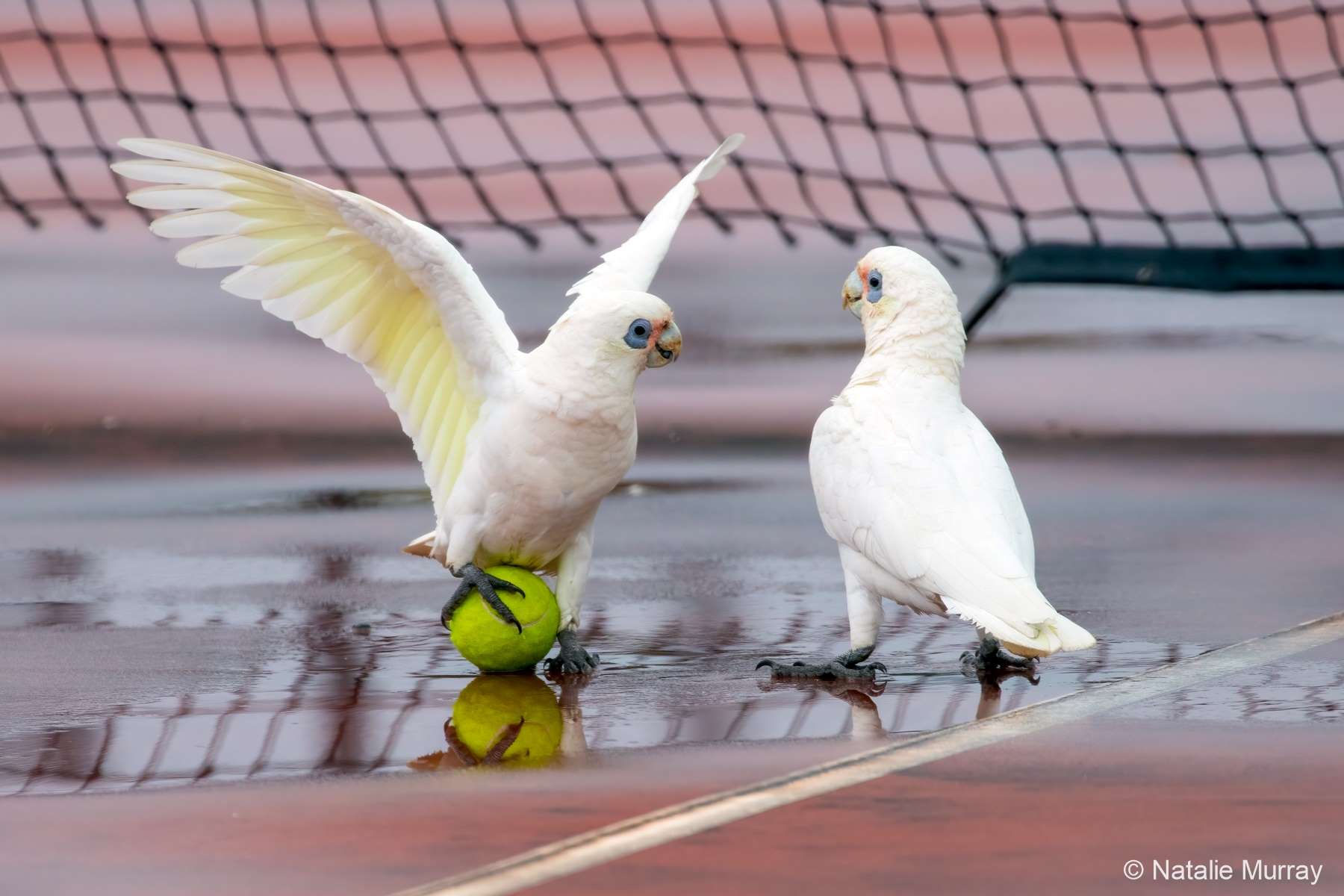
Anyone for Tennis? By Natalie Murray
Wynnum, Queensland
Little corellas discover an abandoned ball at nearby community tennis courts. These birds are notorious for clowning around and the playful interactions caught my eye. To obtain this shot I sat quietly behind the fence, focused my lens through gaps in the wire, and enjoyed the show.
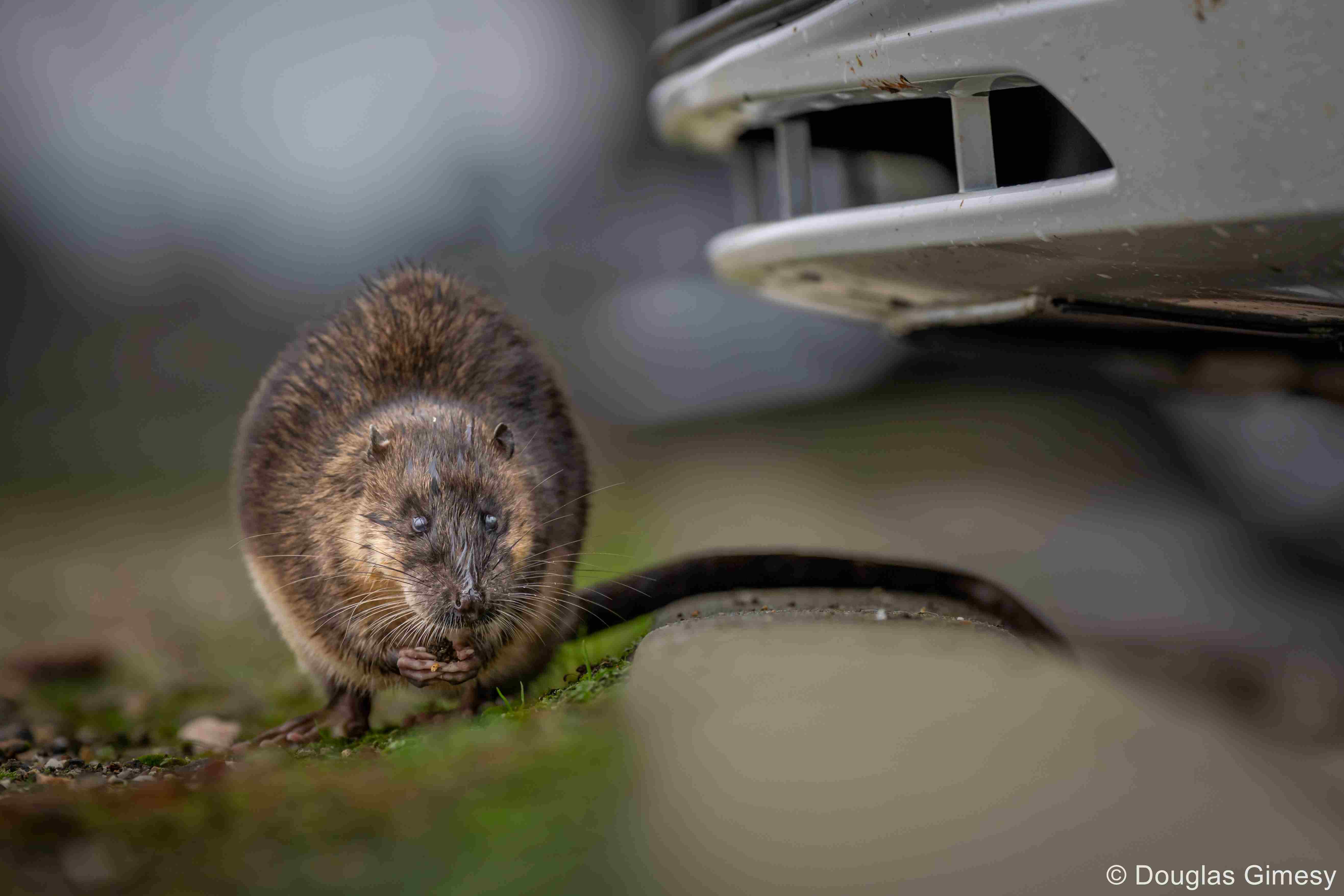
Kerb-side snack by Doug Gimesy
Lake Wendouree, Ballarat, Victoria
A rakali eats a food scrap found in a car park next to Lake Wendouree. The rakali’s Latin name, Hydromys chrysogaster, beautifully translates into ‘golden-bellied water mouse’. The rakali is one of only two freshwater amphibious mammals found in Australia, the other being the platypus.