South Australian scientists have reported a significant reduction in salinity and nutrient levels, following the River Murray flood over summer, has triggered a boom in aquatic, plant and other life in the Coorong and Lower Lakes.
The once-in-a-century flood event was among the most significant natural disasters in South Australia’s history, with about 4000 properties impacted by floodwaters.
Though the flood took a heavy toll on many communities, widespread environmental benefits are emerging throughout the Riverland, Murraylands and Lower Lakes.
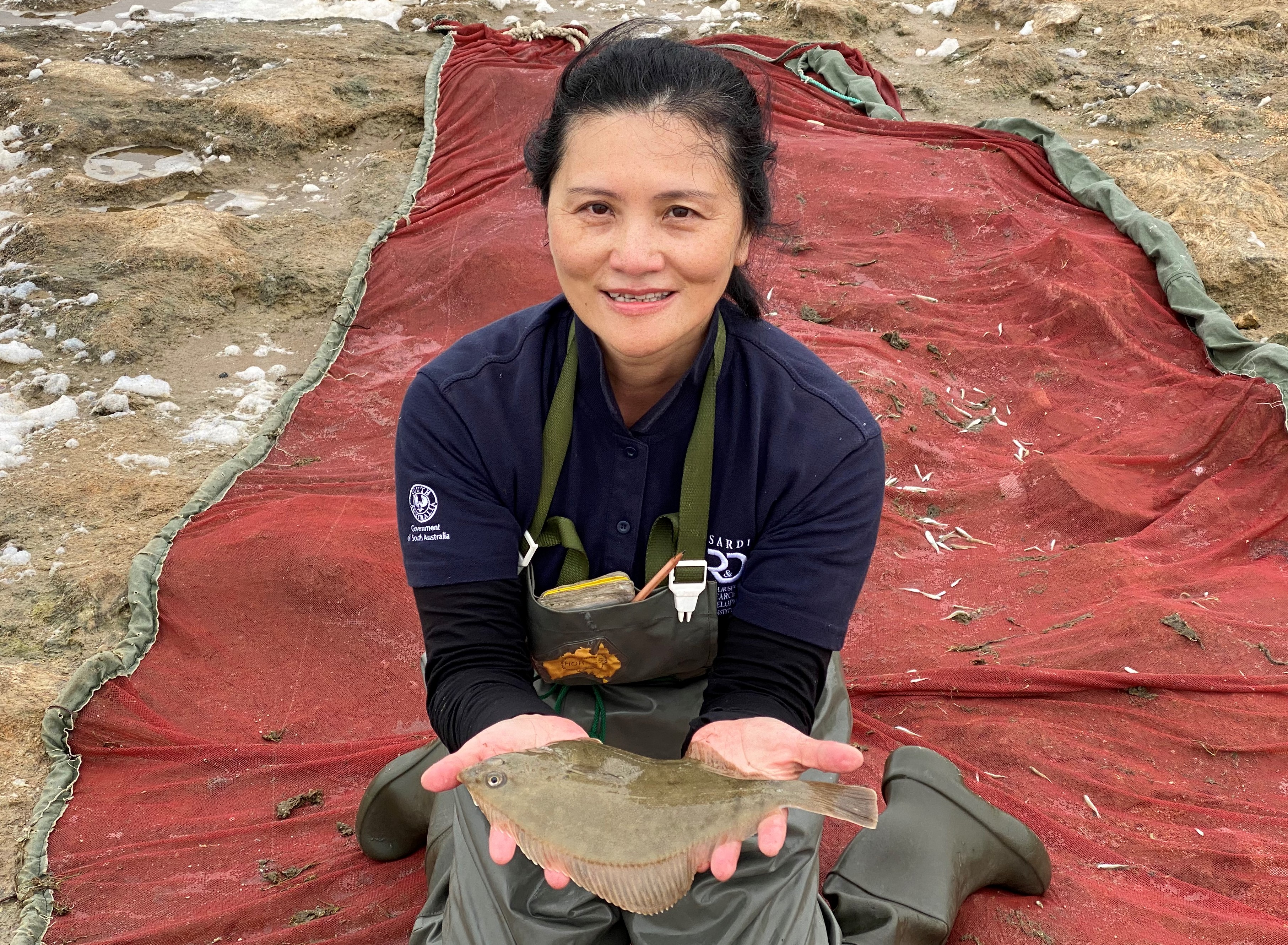
The latest research shows there has been a substantial increase in fish numbers, including congolli, black bream, greenback flounder and yelloweye mullet.
According to Associate Professor Qifeng Ye, principal scientist at the South Australian Research and Development Institute (SARDI), this benefits birds and larger fish that feed off the smaller fish species.
“Species numbers doubled in the South Lagoon [of the Coorong] following the reduction of salinity to less than 60 grams per litre,” Ms Feng said.
“The increase in fish biomass will also now benefit the many fish-eating birds and larger fish within the waters.”
Associate Professor Jason Nicol, Senior Research Scientist at SARDI, said scientists had also observed positive changes in the plant community.
“The reduced salinity and extended high water levels in the Coorong resulting from the flood event have provided favourable conditions for the submergent plant community, with the highest biomass recorded since the Millennium Drought,” Mr Nicol said.
The latest research results also revealed the Coorong’s underwater plants, many of which were almost lost from the system during the Millennium Drought, are recovering and provide an important habitat for fish and are a vital food source for birds.
The South Lagoon, which was severely impacted by the 2000s drought, also appears to be bouncing back following the floods with reduced salinity and increased animal life, including macroinvertebrates extending further south into the lagoons.
The scientists have been engaged through the Healthy Coorong, Healthy Basin program to analyse water quality and nutrients in the Coorong and Lower Lakes.
They form part of a scientific advisory group that provides advice on water delivery and water for the environment by collecting and analysing fish, vegetation, invertebrate and water quality data.
Their research will be on show at the Healthy Coorong, Healthy Basin Science Forum in Goolwa on Tuesday 16 May. Attendees can participate and provide feedback during a Coorong Restoration Roadmap workshop on the day. While it is a free event, please register.