Marie Martino’s life is either really fast … or really slow.
On the weekends she can be found flying around the football field, laying bumps and tackles in the SANFLW.
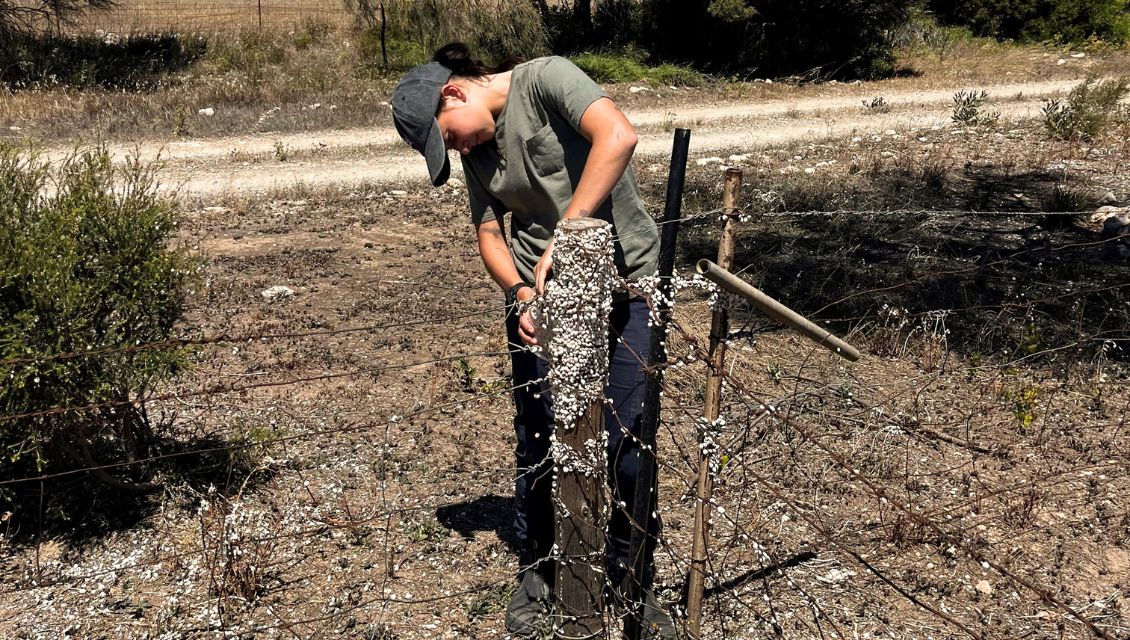
During the week she studies snails. That’s right, those seemingly harmless and rather relaxed shelled gastropods that are actually a huge headache for many South Australian farmers.
There are four introduced species – falling under the catch-all banner of Mediterranean snails – that infest farmland in the state.
The snails congregate in such large numbers that they contaminate harvested grain, sometimes causing crops to be downgraded and – in extreme cases – rejected.
It’s for these reasons that Marie, and others in the entomology team at the South Australian Research and Development Institute's Waite Campus, have declared these little creatures public enemy number one.
The research support officer says she landed the role after studying wildlife biology, with an elective course in entomology, at university.
“After uni I did a couple of different jobs before coming across this one,” Marie says.
“And it's been really interesting so far. When you tell people what you do for a job, they're usually pretty baffled because they've never heard of it before. It's pretty quirky.”
Marie says that when she’s not in the lab at Waite she’s doing fieldwork, usually on Yorke Peninsula, to help scientists better understand how they can fight this tenacious pest.
“It’s a job that can change up from day to day,” she says.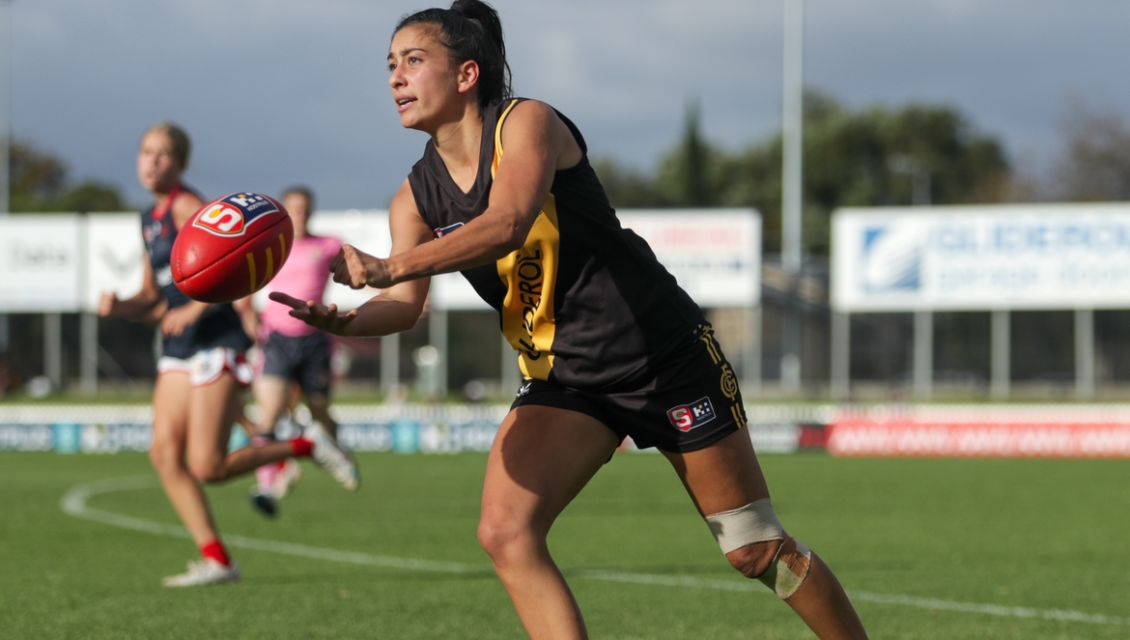
“At the moment we're doing a study where we track the growth rates of juvenile snails before looking at what size and weight they are when they lay their eggs, as well as which conditions are right for them to lay those eggs.
“But we've also been setting up new projects out in the field, so I've been going away fairly often.”
Marie says working closely with farmers to help them solve this costly problem was a rewarding part of her job.
“Knowing that you're helping out farmers, and the entire agricultural industry, is one of the best bits,” she says.
“The farmers are very passionate about getting rid of the snail problem.”
Marie says one of the most promising weapons in the fight against introduced snails, which have few natural predators, was the possibility of using a French insect known as the flesh fly to control the pests.
On the weekends Marie pulls on a black and yellow guernsey and lines up for Glenelg in the SANFLW.
A self-confessed “gutsy player”, she says lacing up the boots is the perfect stress release.
“And the change in the level of competition from when I first started playing to now has been massive,” she says.
“And it's been really cool to see other people getting around women's sport in general.”
Marie says a highlight of her football career, which has seen her play more than 50 games for West Adelaide and the Tigers, was being picked in this year’s Croweaters state team to play against a WAFLW team in Perth. The South Aussies prevailed by 16 points in a thriller at Optus Stadium.
“That was a lot of fun and an amazing opportunity,” Marie says.