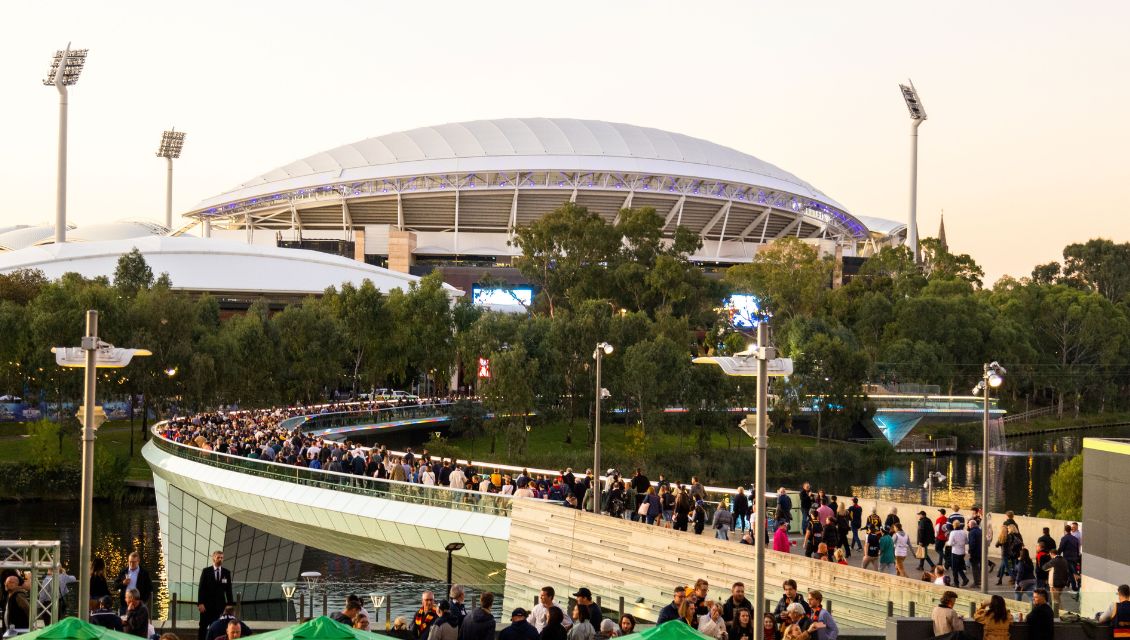
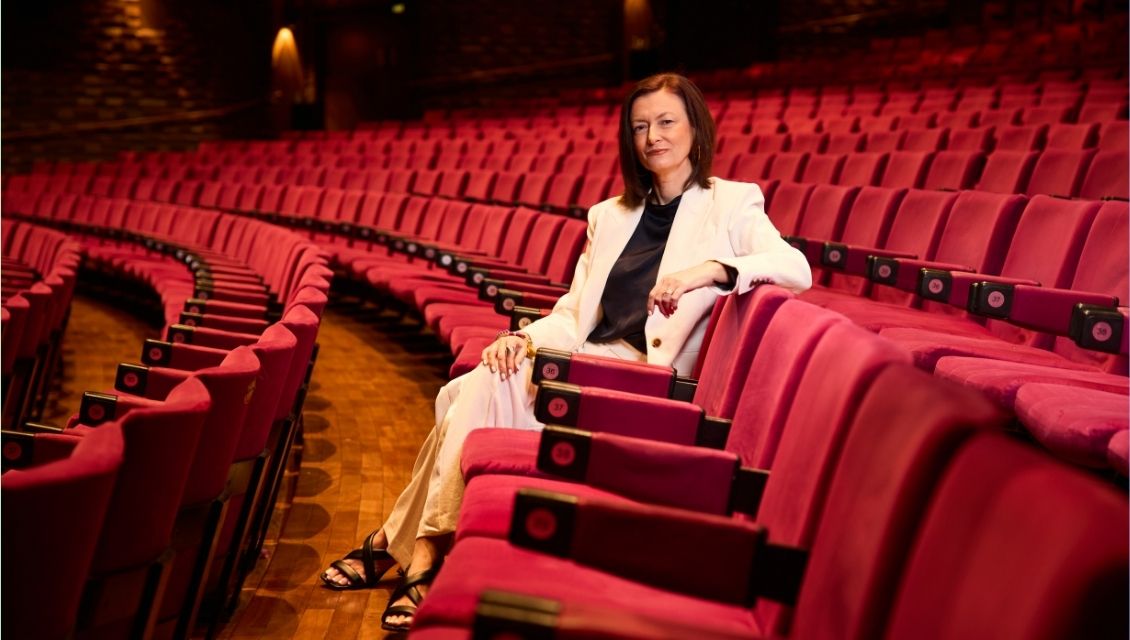
Can you tell us a little about your childhood? I believe it was a little unorthodox, with your father being the founding director of QPAC.
My father was the founding director of the Queensland Performing Arts Centre in Brisbane and later became the founding director of the Brisbane Festival, which I worked on in my twenties.
With both of my parents beginning their professional lives as actors, my childhood was saturated with the arts — we saw the arts, lived the arts, and spent our time with arts industry people. There wasn’t a single day when the arts or the industry wasn’t discussed in our house. Occasionally I wanted to run away from it all.
With hindsight, though, I can see what an extraordinary privilege it was to experience so much art and culture from a young age — classical music, plays, opera and dance. I suspect I absorbed more than I realised in those early years.
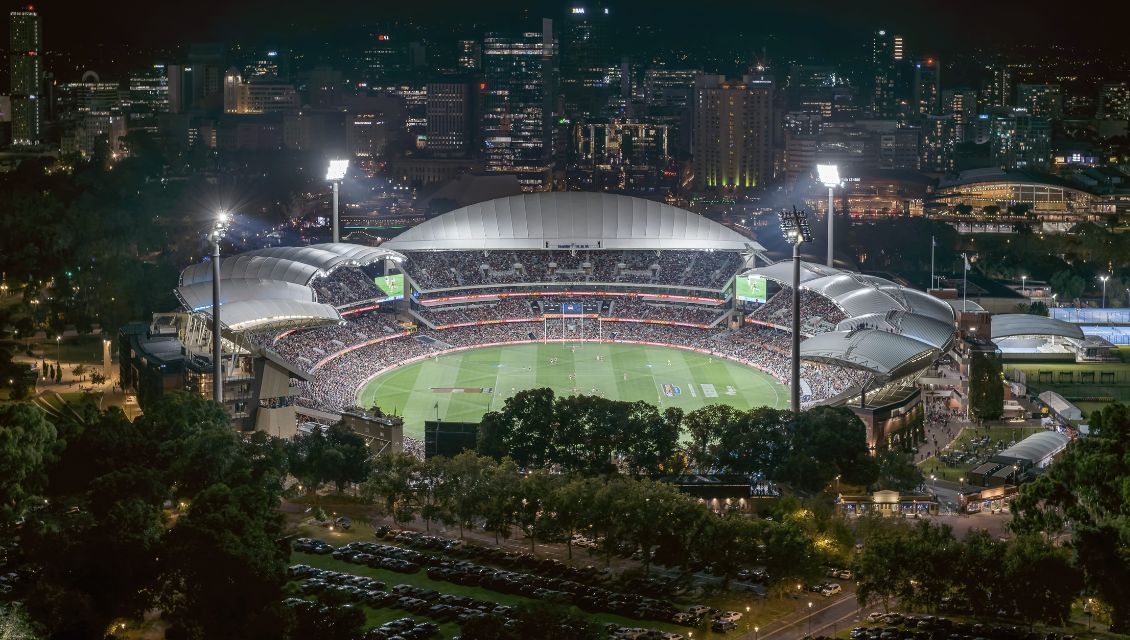
QPAC opened in 1985, and as a child I toured the construction site at South Bank. I remember seeing the large auditoriums and tall fly-tower of the Lyric Theatre emerging, supported by a forest of scaffolding. Little did I know then that 40 years later I would lead another iconic Australian arts centre, Adelaide Festival Centre, currently undergoing a renovation.
People tend to either embrace or reject their parents’ occupation. In your case it seems lik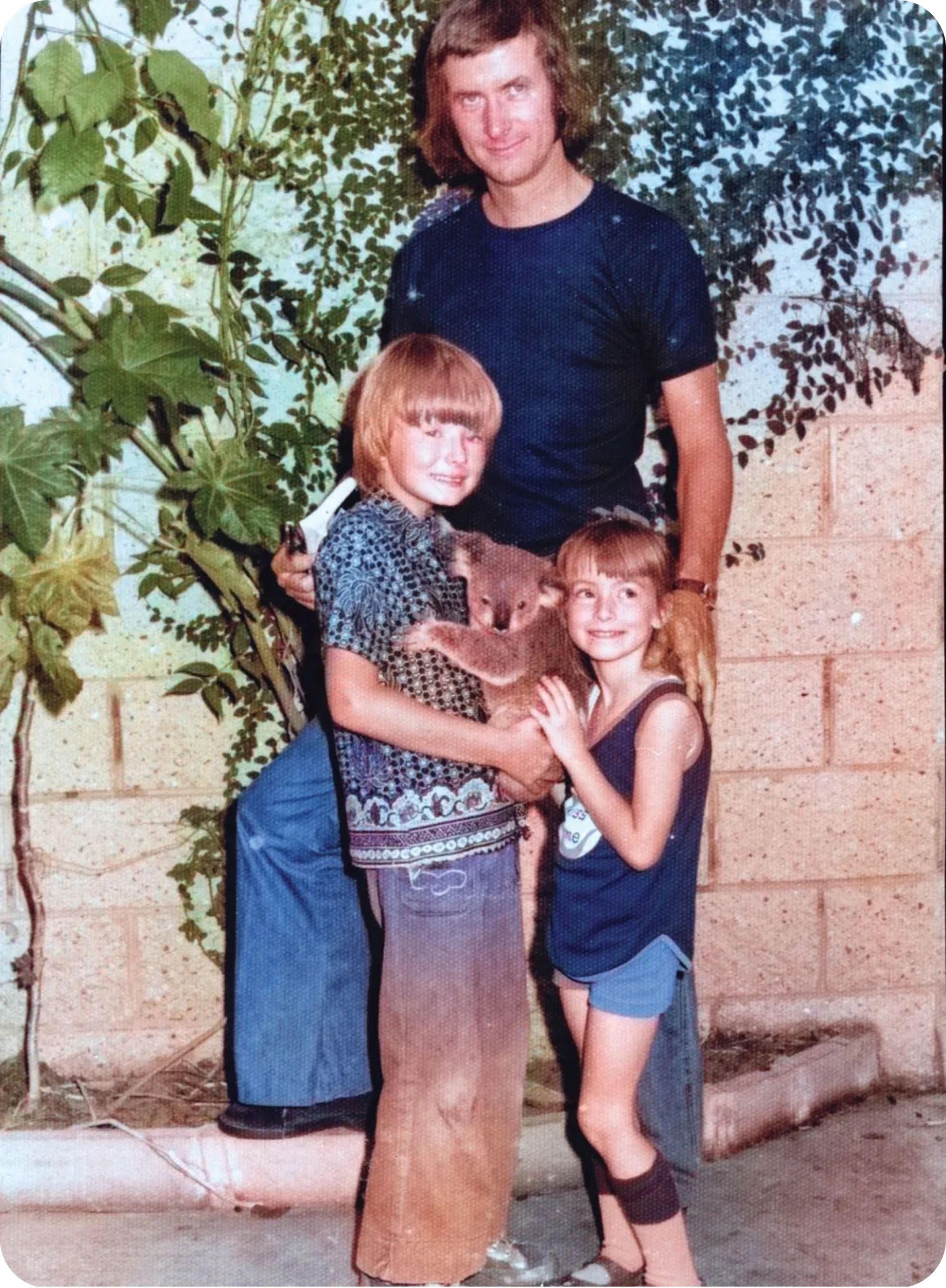 e being raised – literally – in the theatre had a deep impact. Do you remember the time when you were young that you decided you wanted to work in the arts?
During school I had no desire to work in the arts and entertainment industry. I explored other paths, but after completing an arts honours degree at university – and taking the obligatory European gap year — I joined the Queensland Performing Arts Centre at 23 as a project assistant on the Out of the Box children’s festival.
There had always been an expectation that I would end up in the industry, so the move felt natural. Despite a childhood immersed in the arts, none of that prepared me to actually work in the industry. Without experience, I needed to begin at the base and work my way up to becoming a producer.
You have a long history in the arts working behind the scenes in program development and management — were you ever tempted to tread the boards yourself?
No, I never considered becoming an actor, as my parents did. Being an artist is a calling - I didn’t feel that calling, and I certainly didn’t have the talent it requires.
You’re a Brisbane girl, but you have a very long history with Adelaide. Can you tell us a little bit about your relationship with our city? Where it started, how it developed, and your special relationship to a beloved Adelaide arts identity in Rainer Jozeps.
Coming from Brisbane, visiting Barrie Kosky’s Adelaide Festival in 1996 was an epiphany. I vividly remember the city feeling very different from the eastern capitals — lower buildings, wide streets, and a city centre spread out with corner pockets of interest.
It seemed both foreign and familiar, with an explosive arts festival evident everywhere. Businesses, streets, banks, hotels, and the media all came alive with the festival program. The city stayed up late. It was an experimental arts paradise.
Fast forward to 2003: Stephen Page had taken on the role of Artistic Director of the Adelaide Festival and needed a Program Manager to help rebuild the festival following the notorious 2002 edition led by international opera director Peter Sellars. I signed up for an 18-month stint, expecting to move on to my next role in the eastern states afterward.
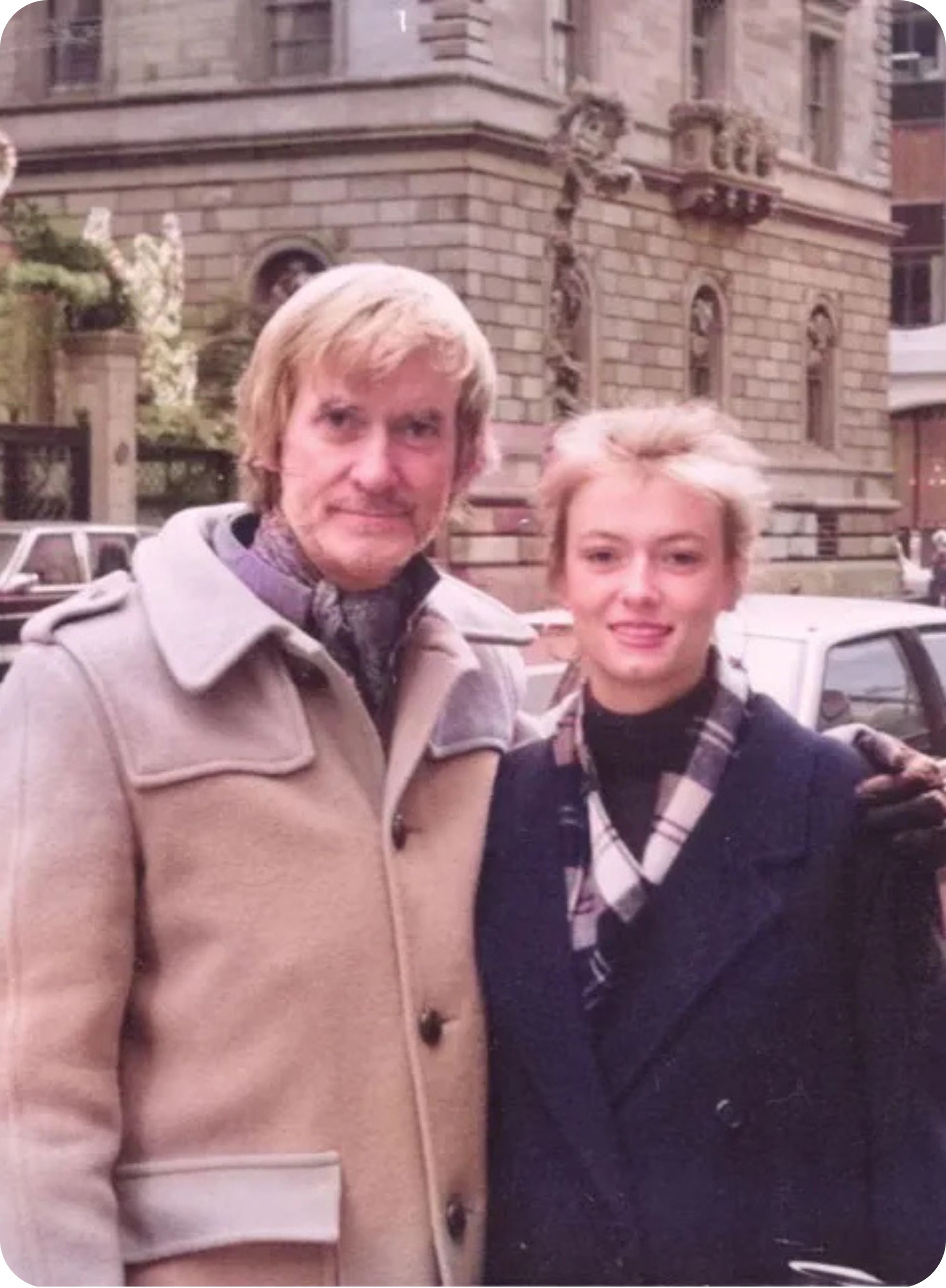
That plan changed when I met my future husband, Rainer Jozeps, a proud Adelaidean, in 2004. I went on to become CEO/Associate Artistic Director of the Adelaide Festival. At one point, when Rainer became Managing Director of the Adelaide Symphony Orchestra, we had to remain alert to potential conflicts of interest. Rainer taught me a lot about Adelaide and its impressive arts legacy.
What does day-to-day life in Adelaide look like for Rainer and yourself?
 Let’s take a usual Saturday. The day typically starts with a swim – I’m counting the days until the Adelaide Aquatic Centre opens — followed by coffee, toast, and reading the papers at one of Adelaide’s many fabulous cafes. A favourite of ours is Troppo, and Rainer is definitely a coffee snob.
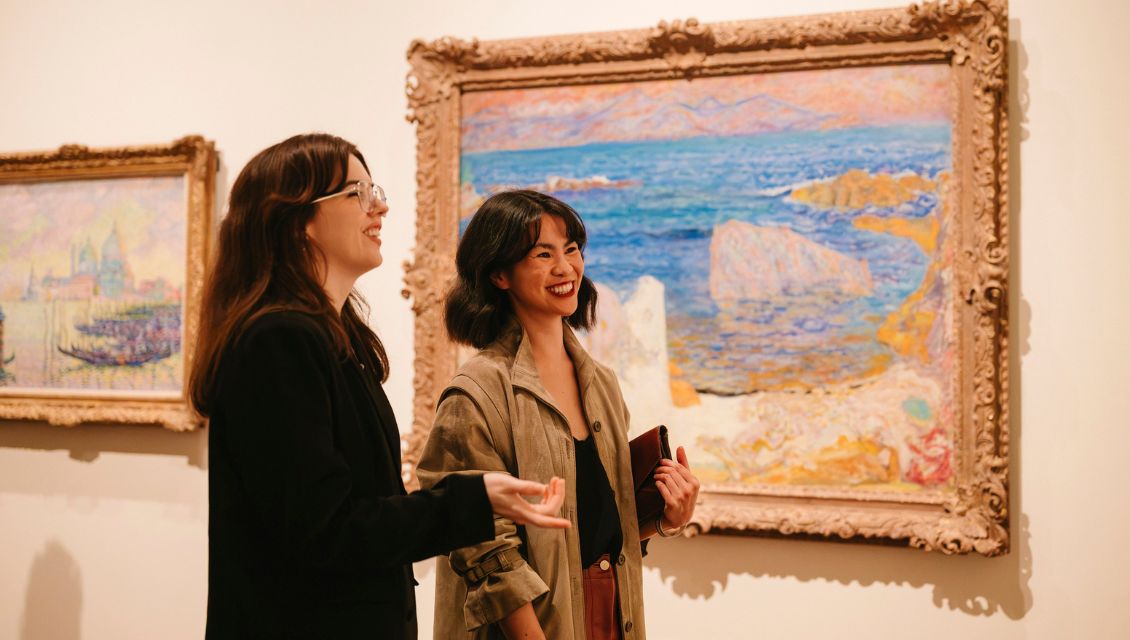
We might then visit one of our favourite art galleries, particularly the Art Gallery of South Australia, to see the latest exhibition. In the afternoon, I might spend some time in the garden faffing about, before heading out in the evening to the theatre, which would almost certainly include catching up with friends.
You were a co-founder of Dark Mofo, which must have been exciting. Can you tell us a little about that journey, and how that festival has completely changed not only Tasmania’s arts scene but possibly the entire perception of that state?
Dark Mofo was a watershed arts festival in Australia. Now an international destination festival, it distilled the extraordinary Mona legacy into a single, unforgettable experience.
Staged during the coldest month in Australia’s coldest capital city, the festival was entirely antithetical to everything I had learned about running festivals. If my father taught me to never take no for an answer, Dark Mofo’s Creative Director, Leigh Carmichael, pushed my boundaries even further.
I found myself striving harder and higher to change thoughts, minds, and places through art. Through its boldness, Tasmania has achieved a total brand reinvention, with art and nature at its core. There are many lessons for South Australia to learn from Tassie’s example.
Adelaide has a reputation as a city that embraces its art and takes it seriously, and it’s a reputation that’s been built over many decades. What do we need to do to maintain that reputation, and are the other capitals actively trying to claim this title?
Adelaide certainly has an arts and culture brand. Thanks to past investment in the arts, South Australians are generationally sophisticated audiences regarding culture, art, food and wine — and people interstate know this.
I remember one of my Queensland friends prepping for a party with interstate guests. She said, "Let the South Australians get the wine and snacks — they know about this sort of thing."
I understand the challenge of competing interests, but investment in arts and culture must always be prioritised if we are to maintain our position as the arts capital.
Brisbane is hot on our heels chasing big name arts events, and Melbourne continues to have an extraordinarily strong arts scene. The Gold Coast City Council is pouring money into the city in an effort to claim the arts crown. We know about Tasmania. One day you can wake up, and your city has lost its edge.
How does one go about becoming the CEO of the Adelaide Festival Centre? I’m thinking it’s not a role that might pop up on the Seek app.
You can have the ambition to become CEO of a major arts centre, but in reality, these jobs are usually secured as a culmination of a lifetime’s work.
My advice for anyone aiming for a leadership role in any industry is to focus on the work, not the climb. I have little patience for playing politics to secure a role. In my case, I was approached to apply for this role, but the recruitment process itself was rigorous and demanding.
You’re taking over from Douglas Gautier, who had a long stint at the helm. What do you think Douglas’s most enduring legacy will be?
I believe Douglas’s legacies are the new Her Majesty’s Theatre, developed with the support of key collaborators, and OzAsia, a festival ahead of its time when it was established.
Can you tell us a little about the day-to-day minutia of the role? What time do you start, when do you knock off, what are the nuts and bolts of the job itself?
My workday usually starts around 8:30am with a coffee and a banana! Then it’s back-to-back meetings, criss-crossing the city.
I’ve always been hands-on with developing business plans and pitches for new projects, but in this executive role, I rely on my team to support me in that work due to time constraints.
A quick salad at my desk for lunch, push out reports, emails, more meetings, and then I’m off to an art show opening, followed by a theatre performance.
Now a bit about your grand vision – where do you want to take the centre, the theatres, and the arts in general in South Australia?
I can’t reveal too much yet about the future vision for the Adelaide Festival Centre but I can confirm that we have reviewed the Centre’s strategic direction.
As the Heart of the Arts, the Centre is committed to delivering quality arts, entertainment and cultural experiences that reflect and celebrate diverse voices.
The Centre is committed to featuring international-calibre artists and productions that might not otherwise tour to Adelaide. By 2030, the Centre will be a destination for arts, entertainment and culture, night and day, attracting both locals and visitors through its programs and offerings. More details to be revealed in 2026.