Twenty-one lives tragically ended.
Twenty-one grieving families and friendship groups left behind.
This was the shocking reality of boating on South Australian waterways between July 2021 and June 2026.
The deaths, which included both powered and unpowered vessels, are the catalyst behind Marine Safety SA’s new campaign urging anyone on the water to not wait until it's too late, mate.
The Too Late Mate push is urging all recreational boaters to think about safety well before hitting the waterways.
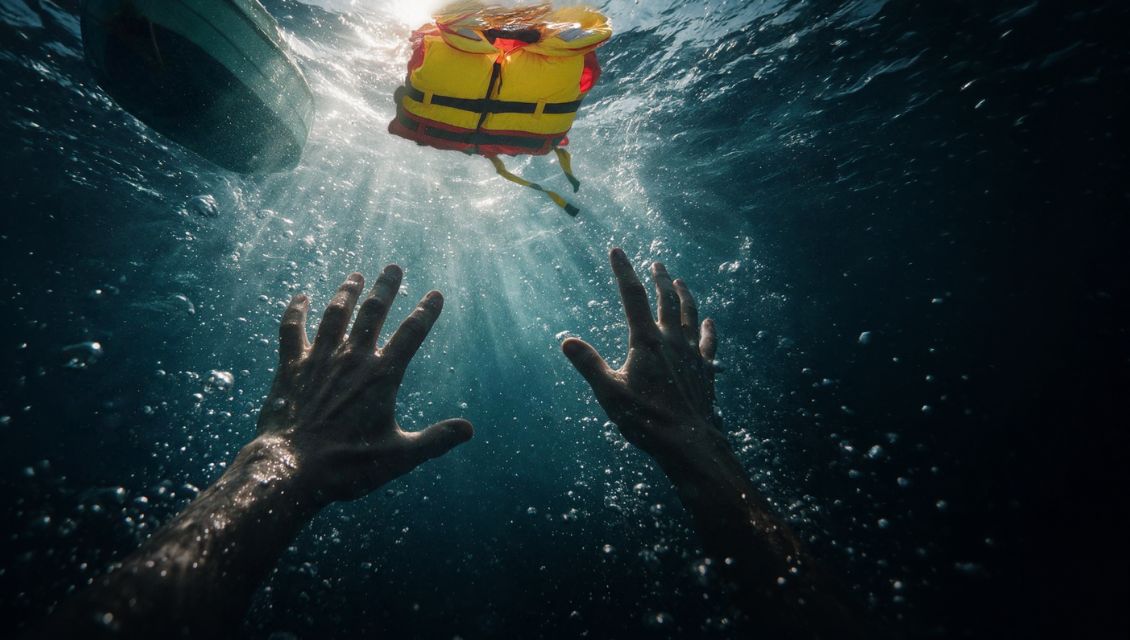
Properly worn lifejackets and working emergency marine communications equipment are almost always part of a survivor’s story, so do as they did and take these simple steps for a safer summer boating season:
- Learn which lifejacket you need with our online tool and wear it every trip.
- Make sure you have the right emergency marine communications onboard and everything is working.
- Keep essential boating information at your fingertips by downloading the DECKEE app
The campaign coincides with the announcement that the State Government has strengthened South Australia’s emergency marine radio network ahead of summer, bolstering reliability, resilience and coverage.
A $1 million upgrade of the Very High Frequency (VHF) radio repeater network is now complete, improving critical distress and communications coverage for South Australian recreational and commercial operators alike.
The network serves as the primary distress and safety communications system for boaties and plays a critical role in supporting emergency responses when assistance is needed on the water.
While the upgraded network provides an important safety net for those on the water, boaties are reminded that technology alone cannot prevent life-threatening or fatal incidents.
Marine safety officers are urging people to carry all required safety equipment including compliant and serviced lifejackets. Flares, torches, fire extinguishers and other safety gear should also be checked before heading out this summer.
More than 2200 vessels have been inspected by officers in the past 12 months, either at boat ramps or on the water.
Failing to carry or wear a lifejacket accounted for 21 per cent of expiations issued during this period, while more than a third of inspected vessels were non-compliant.
Failing to carry or wear a lifejacket carries a maximum penalty of $1250.