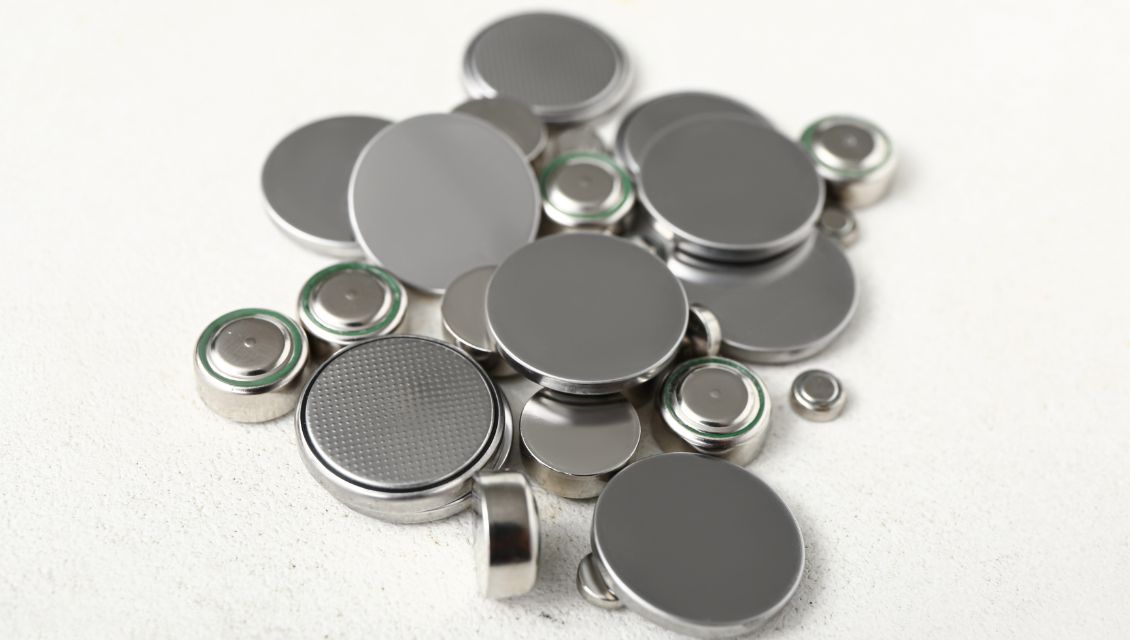
A spike in the number of seriously injured children being treated at the Women's and Children's Hospital from swallowing a button battery has prompted health authorities to issue an urgent warning to parents.
Already this year, two children have been taken to the hospital requiring emergency oesophageal surgery and multiple follow-up surgeries to treat complications from ingesting button batteries.
This is up from three children for all of last year, and two in 2023.
Button batteries are extremely dangerous, causing quick, serious and life-threatening burns in children if swallowed or inserted into the body. Experts warn that once swallowed, a battery can burn through a child’s oesophagus in less than two hours.
Children can also develop life-threatening bleeding, as well as infections, sepsis and injuries to critical parts of their chest. Some young people may even be placed on life support to help treat their complications.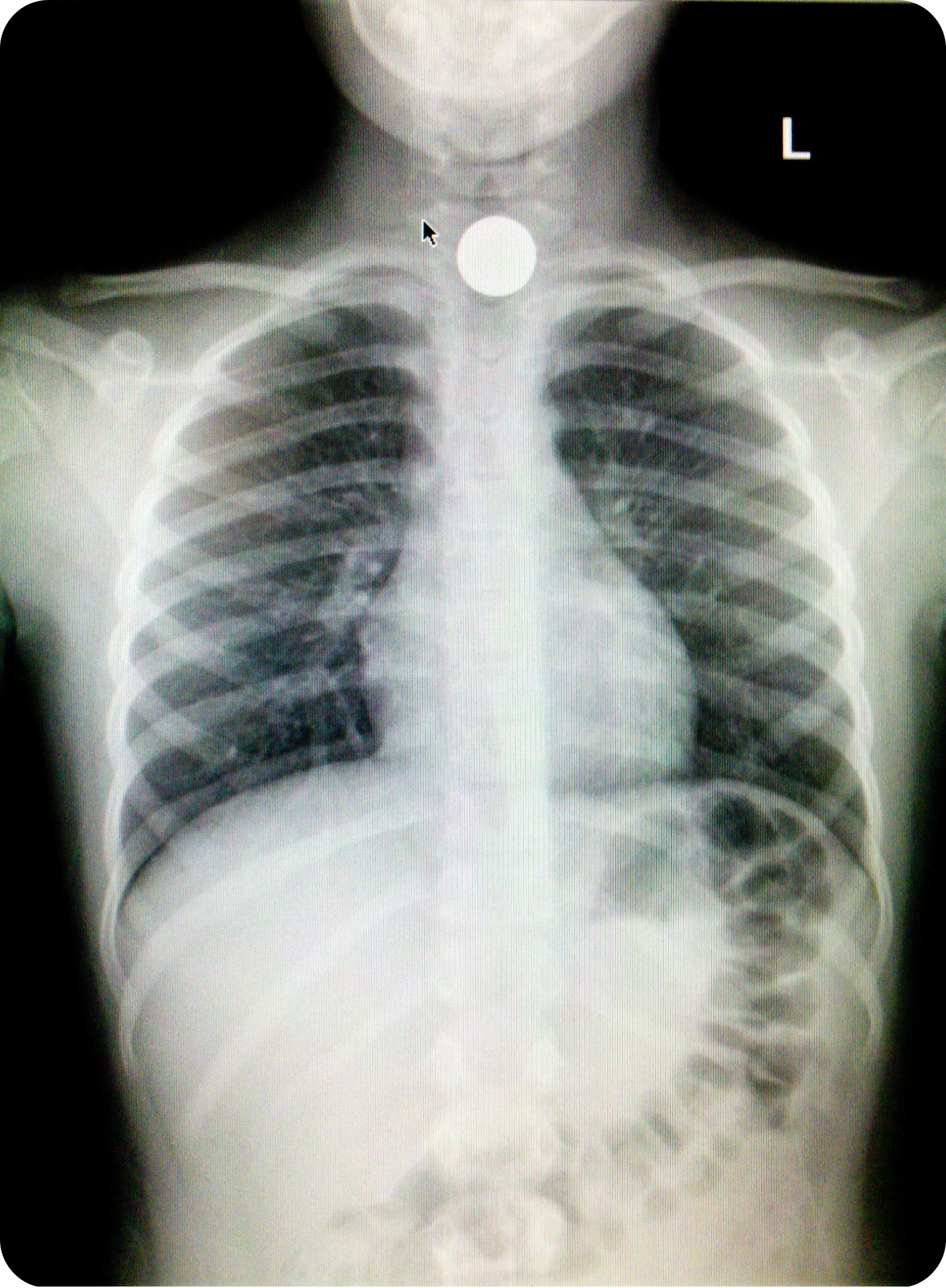
Long term, injuries from button battery ingestions can prevent some children from eating normally ever again.
Children under the age of four are at the highest risk of death, while the peak age for ingestion is children between the ages of one and two.
Doctors warn that ingestions are not always witnessed and that symptoms often appear vague, delaying diagnosis and treatment.
Parents should look out for symptoms like chest pain, coughing, vomiting, trouble swallowing, food refusal and abdominal pain. However, experts warn that sometimes there may be no symptoms at all.
In the event of a suspected button battery ingestion, families should immediately call the Poisons Information Centre on 13 11 26.
Children should not be given food or drink, and parents should not try to induce vomiting.
Women's and Children's Health Network, Divisional Medical Director of Surgery, Dr Sonja Latzel said button batteries, which can still be found in many household items, should be stored securely out of the reach of children.
"We are currently seeing a concerning rise in button battery ingestions, with clinicians having to perform incredibly invasive surgeries to save lives," Dr Latzel said.
"We don’t want to see another death in Australia. If you suspect your child may have swallowed a battery, please don’t wait – quick action is critical."
Across Australia, 20 children will go to hospital every week with a suspected button battery ingestion, with cases more common during gift giving periods like Christmas and Easter.
For further information on button batteries, visit the SA Health website.