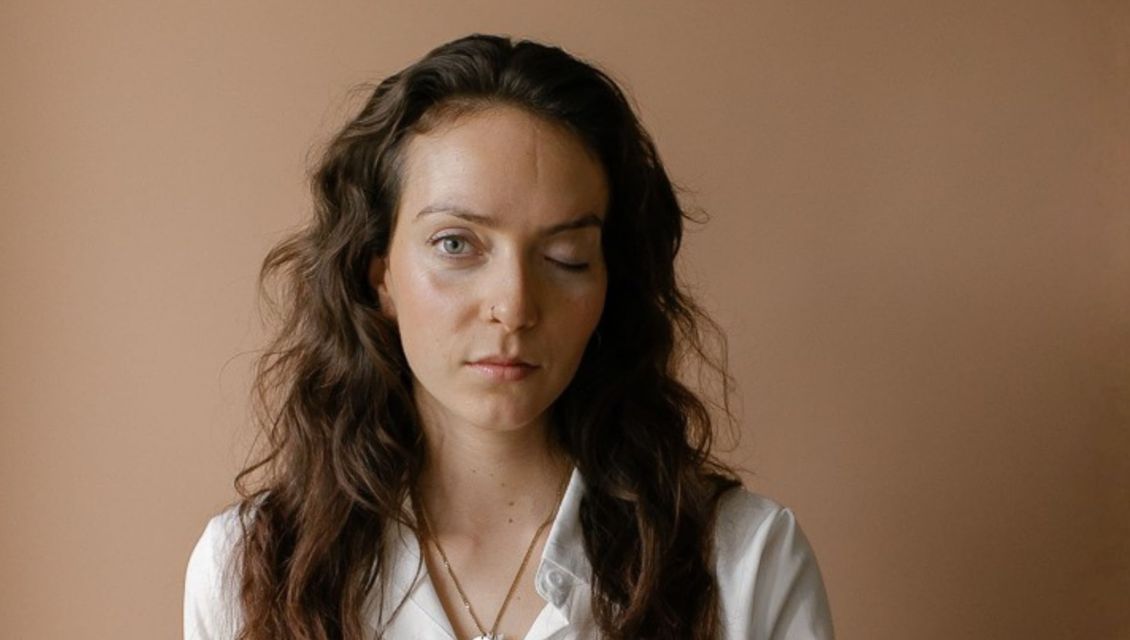
Georgina Coventry holds fragments of memories of the night she almost died – rain on the windscreen, hazy streetlights – then, suddenly, there was nothing as she drifted into darkness. But something urged her not to go there, to fight her way back, to face the pain, to face the fear, to live.
As Georgina lay on the footpath, teetering between life and death, shocked neighbours and an off-duty paramedic rushed to her aid, stemming the bleeding using towels.
Ambulance officers, paramedics, and the MedSTAR Retrieval team arrived and worked desperately to save Georgina, intubating her at the scene and stabilising her enough for the dash to the Royal Adelaide Hospital (external site) (RAH).
On that March night, three years ago, Georgina’s parents, Kerryn and Wayne, were abruptly awoken by that knock on the door that is every parent’s worst fear. They rushed to the RAH Emergency Department, bracing themselves for the possibility of saying goodbye.
Their beautiful daughter had suffered a traumatic brain injury, multiple spinal fractures, facial fractures, vision loss, broken ribs, a lacerated liver, and a punctured lung.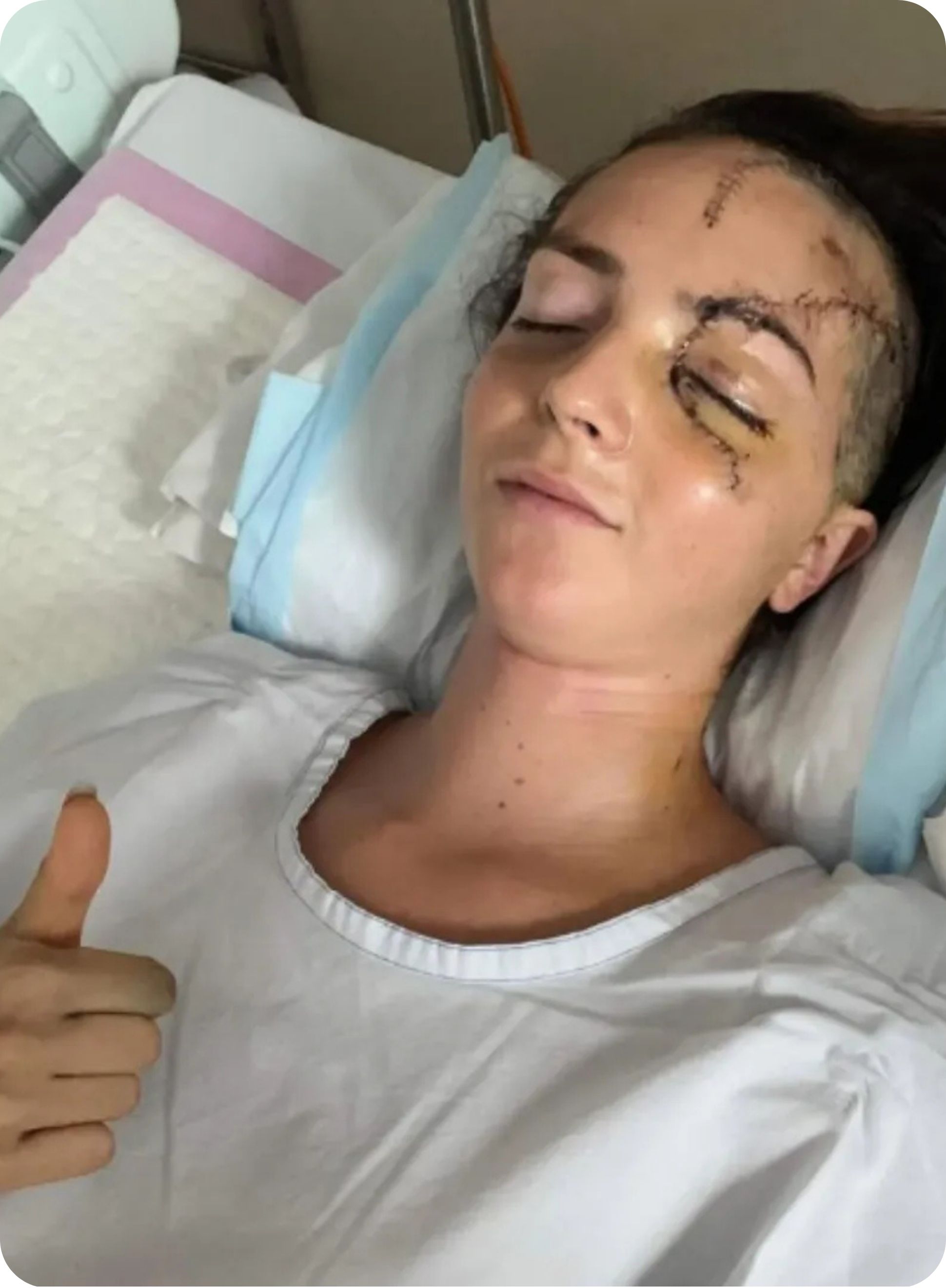
But Georgina clung desperately to life – determined to fight. What she didn’t know was that an army of paramedics, trauma nurses, surgeons, anaesthesiologists and other clinicians were fighting alongside her.
An integrated trauma team - including emergency, trauma surgery, intensive care, neurosurgery, spinal, ophthalmology and plastic surgery specialists – worked through the night to control bleeding and keep Georgina stable, to repair complex facial and skull injuries, and stabilise her spine.
A caring anaesthesiologist and multiple surgeons sat down with Georgina’s frantic parents – explaining the inexplicable – praising her determination to survive. An Intensive Care Unit (ICU) nurse helped pick the dried blood and dirt from Georgina’s long, matted hair.
For a fleeting moment Georgina gained consciousness and heard the nurse consoling her parents – a moment that will be remembered for a lifetime.
Awaking to a new and brutal reality
When Georgina awoke from an induced coma, it was to a different life. Her head and brain injuries were extensive. The left side of her face was shattered, and she had lost vision in one eye due to irreversible optic nerve damage. Her spine was held together by pins and rods.
Her survival was described by all as "miraculous", but leaving the ICU marked the beginning rather than the end of Georgina’s ordeal, as she began the demanding work of seemingly endless, tiny steps towards rehabilitation and recovery.
She describes those first weeks as "brutal".
"Learning to walk again, to hold a spoon to my mouth with trembling arms, to re-focus my vision, to remember who people were – every small act was a mountain," Georgina says.
"It was as though I was attempting things with a body and mind that wasn’t mine anymore."
She says while her physical recovery has been remarkable, her traumatic brain injury (TBI) has profoundly altered her – affecting her memory, sensory processing, energy, movement and emotional regulation - leaving her grappling with "the biggest storm of all".
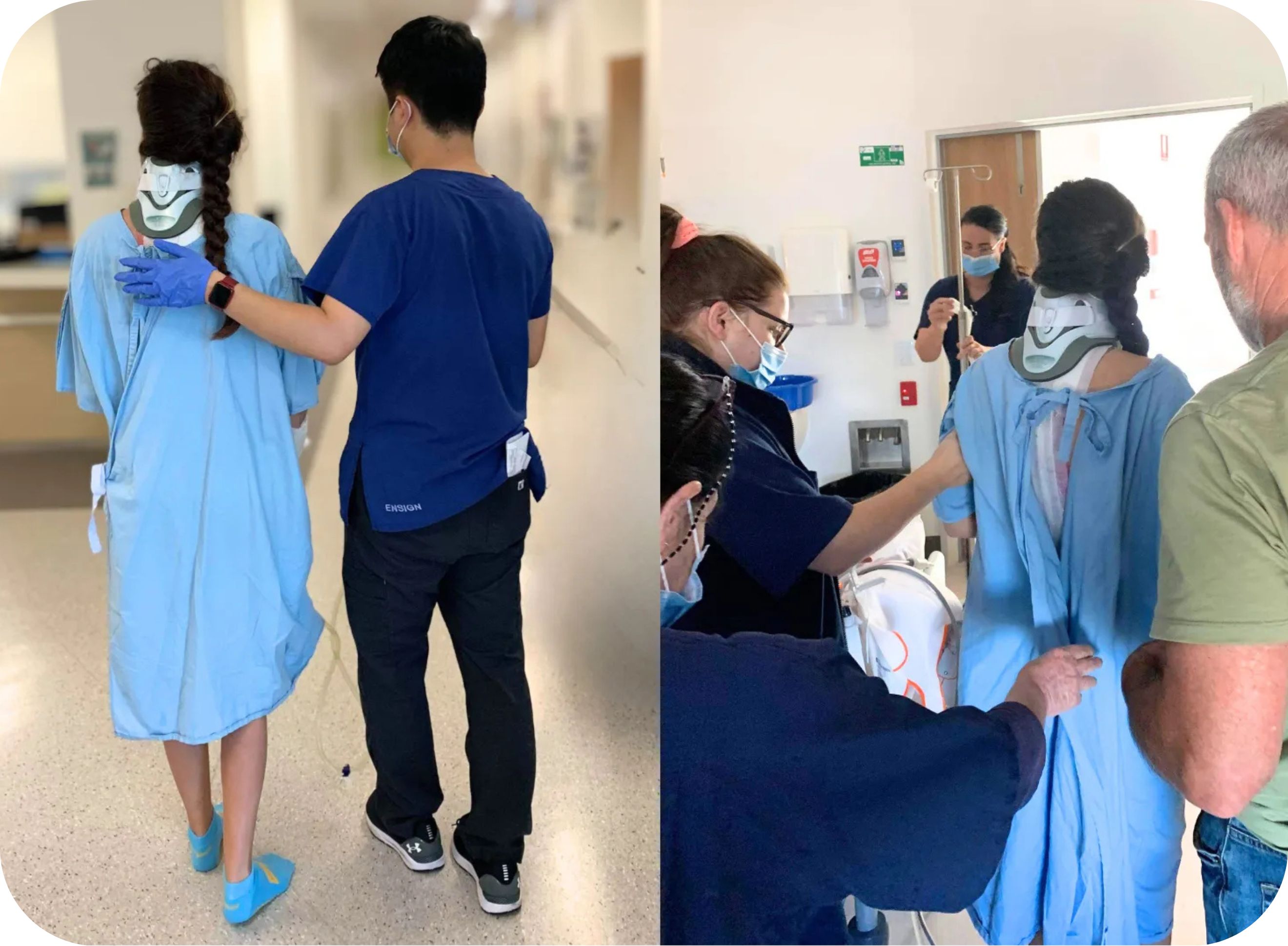 Georgina shared her story during Brain Awareness Week (March 16-22) to both acknowledge the great work of clinicians in the TBI space and to draw attention to the hidden and long-term injuries that affect many survivors of vehicle accidents and other major traumas.
"People see the obvious injuries, the surgeries, the scars – but they don’t see the ways traumatic brain injury quietly reshapes your every day," Georgina says.
She says activities such as washing her hair, cooking a meal or going to a social event can still leave her exhausted, and she often experiences sensory overload, motor coordination difficulties, and overwhelming fatigue that are not obvious to those around her.
Late last year, Georgina returned to the RAH to bravely share her experience at a Trauma Symposium convened by the RAH Trauma Service in collaboration with the Royal Australasian College of Surgeons.
"Being able to meet with some of the trauma team and nurses that looked after me has been surreal; to put faces and names to the voices that I could hear at the time and be reminded of how miraculous it is to be where I am today," she says.
"I am here because of extraordinary people — the paramedics, retrieval and trauma service staff, who refused to give up; the surgeons who worked through the night, the allied health team who pushed to get me moving, the nurses who ensured I knew what to expect each day," she told the audience.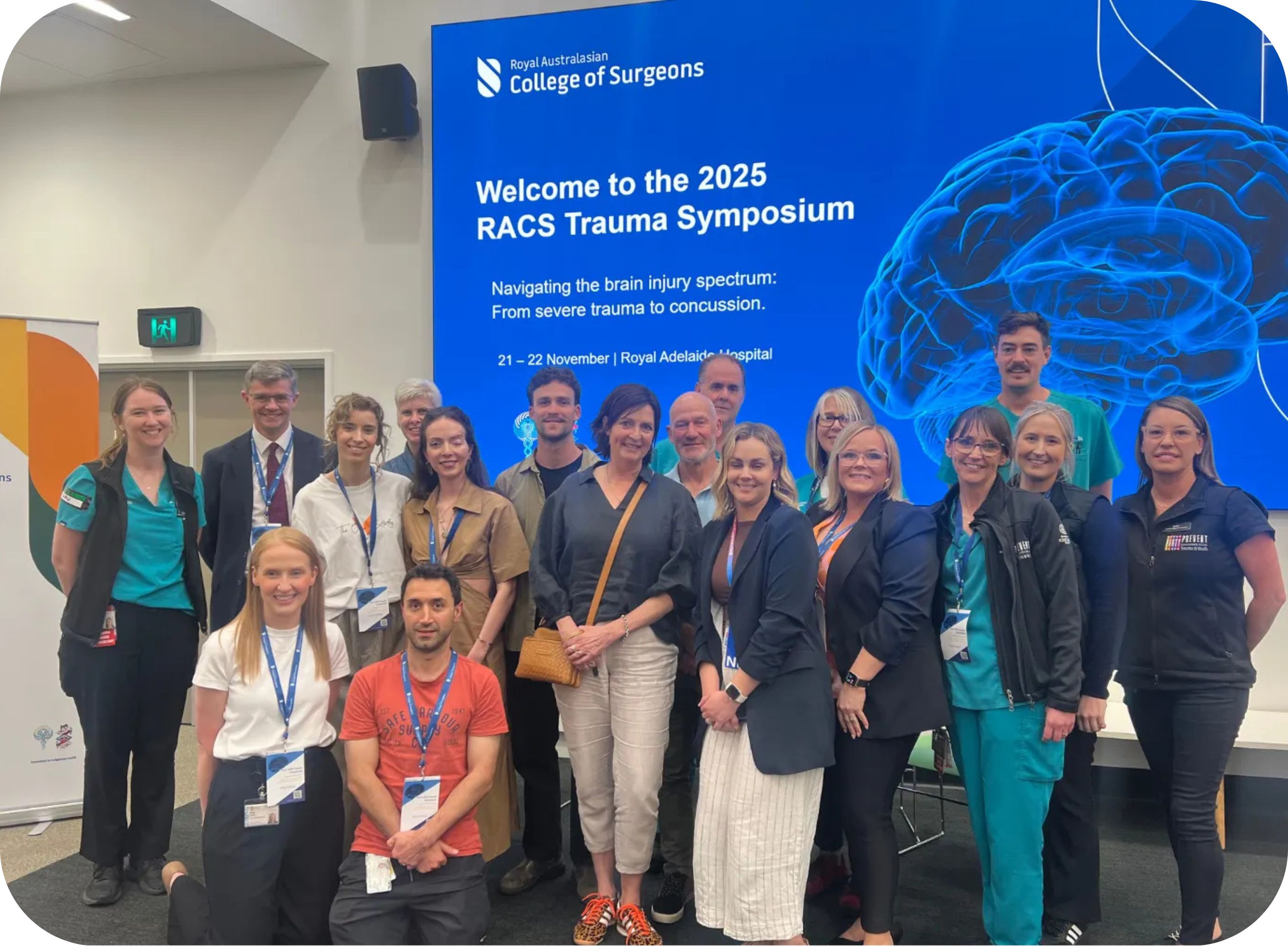
"All of the nurses who cared for me in ICU, spinal ward and onwards - they were all so incredibly supportive, considerate and genuine in their care for me.
"I wasn’t 'just another patient' or number to them, but a human being who had just had my life inverted and needed connection to a world that didn’t make much sense to me anymore."
Georgina speaks in glowing terms about the many great clinicians that supported her including plastic surgeon Jenny Roy.
"She has always shown a clear passion and interest in finding the most suitable surgical and treatment options for me, which has allowed me to feel safe and incredibly trusting in her and her team," she says.
Of spinal surgeon Aaron Stevenson, Georgina says: "His gentle and kind approach to our conversations while I was in hospital, and later as an outpatient, made me feel like I was in the greatest hands possible. I don’t think I could have had a better team."
"Despite how terrifying some moments felt when navigating my new body and brain, I could breathe a little easier knowing my queries would be met with patience, kindness and understanding and that everyone wanted the best possible outcome for me as well."
Living with an "invisible" brain injury
For Georgina, the opportunity to speak about her ordeal was empowering and was made possible by Trauma Service Nursing Director at the RAH and co-chair of the State Trauma System Nicole Kelly.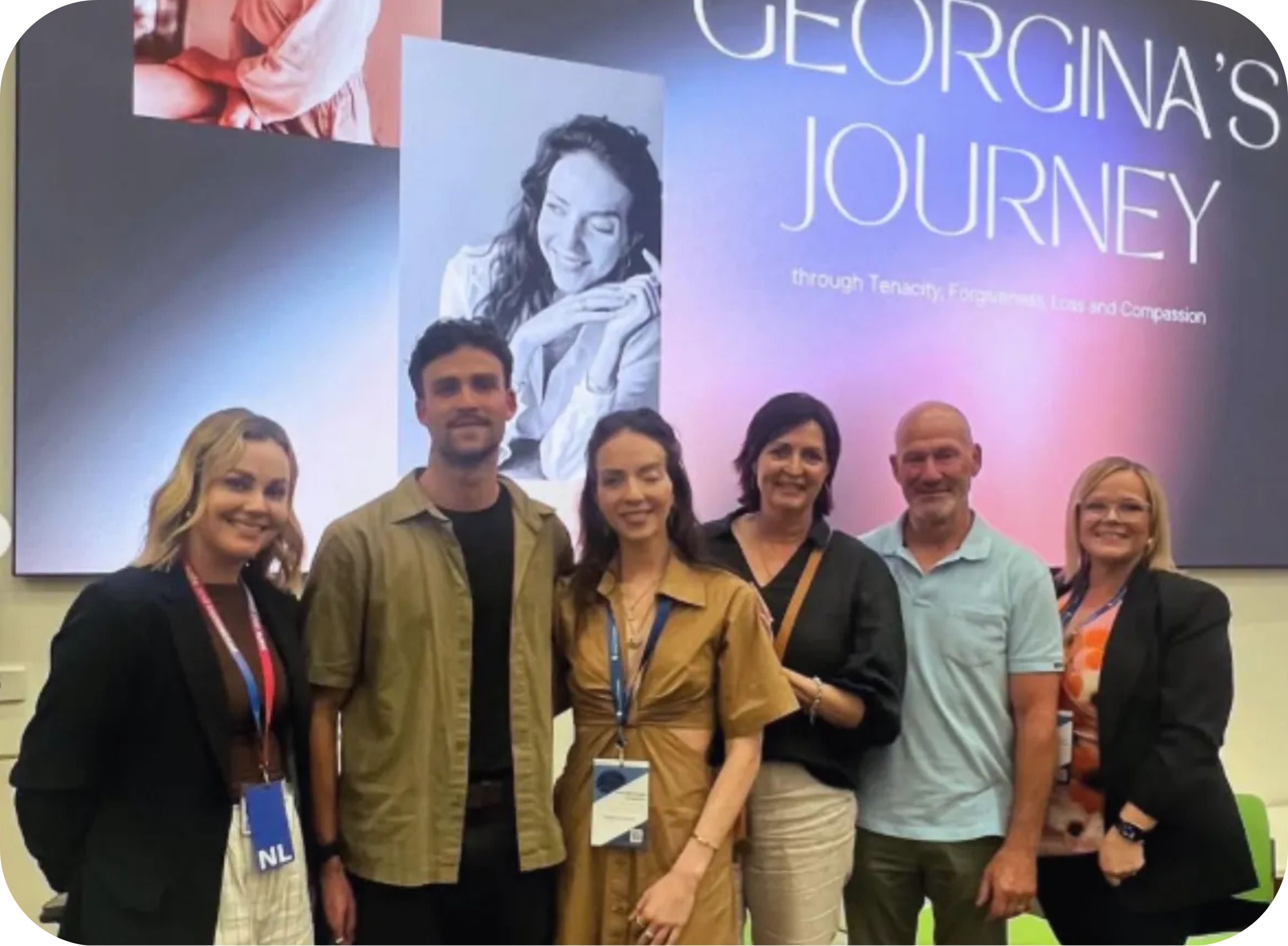
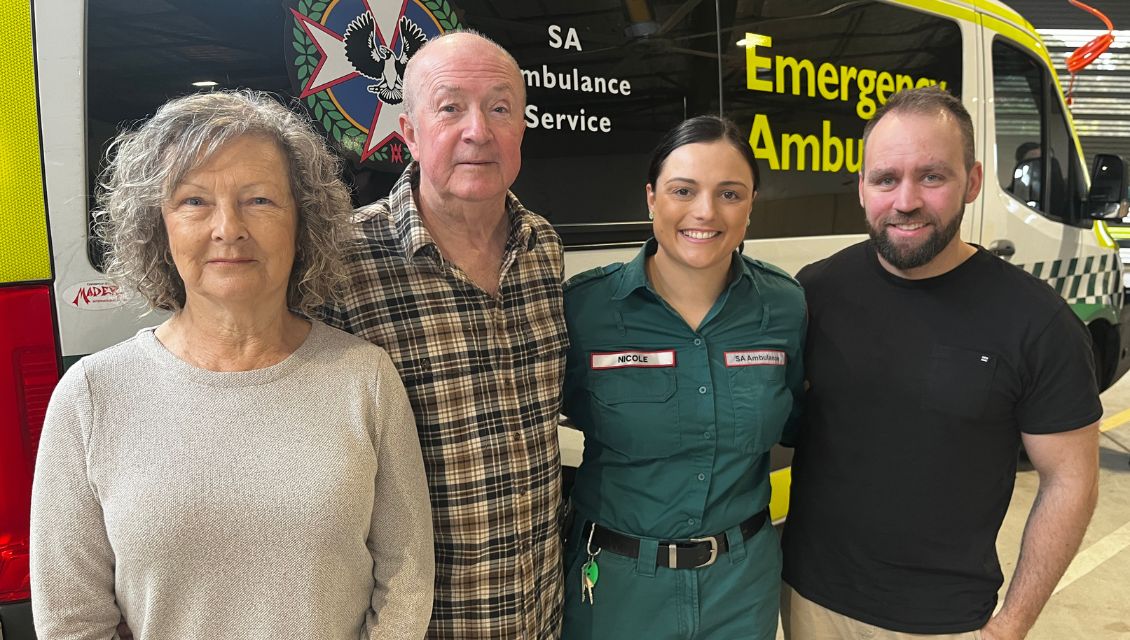
Nicole (pictured with Georgina and her family) says Georgina’s first-person account of her experiences was moving and insightful.
"Reconnecting with Georgina and supporting her to share her story with our trauma and multidisciplinary teams has been a real privilege," Nicole says.
"Hearing directly from patients about their recovery, long after the acute phase of care, gives us powerful insights into what it is like to navigate complex injuries in an equally complex health system.
"Stories like Georgina’s help us see beyond the clinical tasks, highlighting what matters most to patients and their families, what we are doing well and where we can improve.
"Her openness and feedback are invaluable in helping us continually refine how we deliver care to our patients and our community."
Three years on, Georgina’s recovery continues. Over this time, she has undertaken intensive rehabilitation in the community with the support of an occupational therapist, neuro-physiotherapist, orthoptist, audiologist and cardiologist.
Other challenges have emerged including an auditory processing disorder, dysautonomia and ataxia related to her head trauma - highlighting how a traumatic brain injury can affect many body systems and require long-term, multidisciplinary care.
She speaks openly about gradually rebuilding her identity, finding new purpose in para sport, reconnecting with movement, and rediscovering joy and connection in different and more sustainable ways.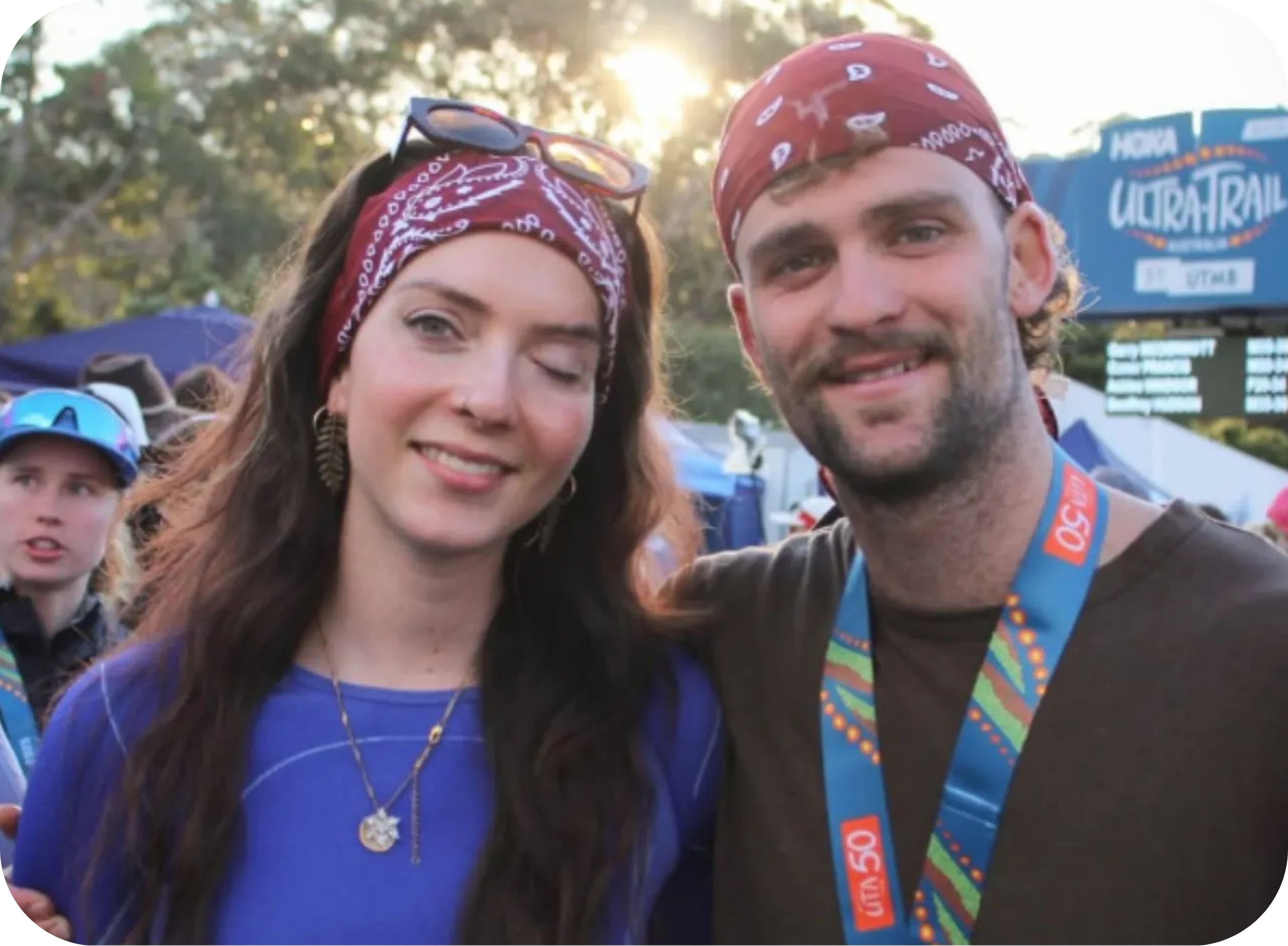
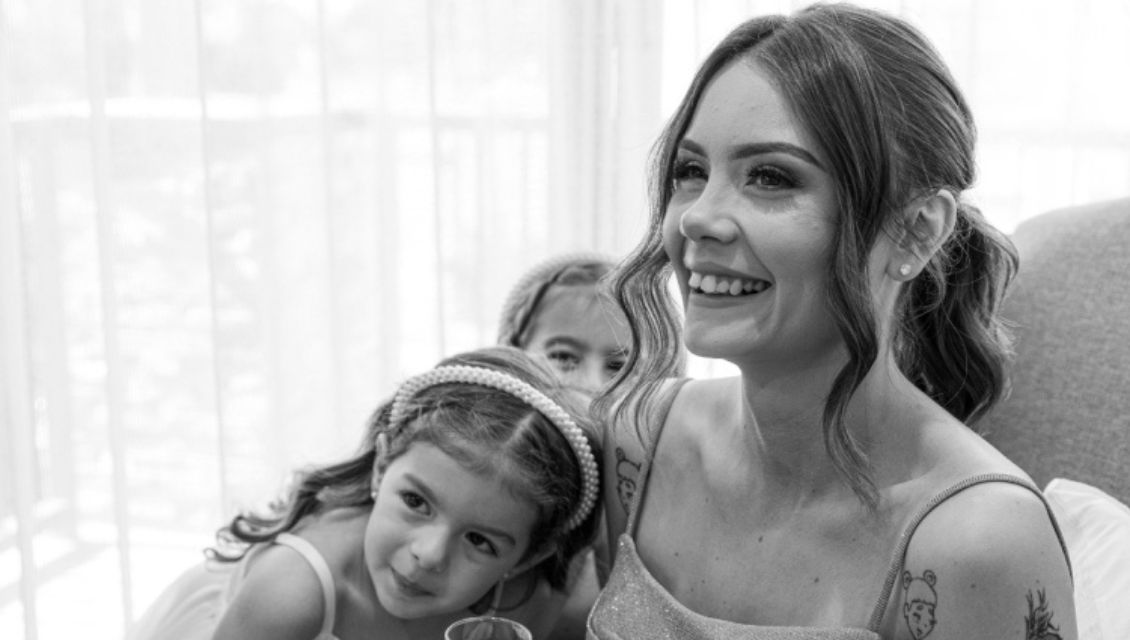
Along the way, Georgina’s family, friends and broader community have been central to her recovery, providing practical, emotional and financial support; including her brother, Rhys, (pictured) who wrote a song in Georgina's honour and completed an ultra-marathon to help raise funds to support ongoing rehabilitation costs.
Georgina says she is forever grateful for the paramedics, retrieval teams, Trauma Team Staff (that she and her family fondly remember as the 'team in teal'), surgeons, nurses and allied health professionals who refused to give up on her, and for the friends and family who have walked beside her throughout this long and complex journey.
"It has given me so much purpose and drive on the hardest days to keep putting one foot in front of the other – not just for myself - but for them and all the work, time, and belief they put into me."
"My story is about trauma, forgiveness and recovery – about losing everything you thought defined you and slowly rebuilding yourself, piece by piece, into someone stronger, softer and more passionate than before," she says.
And, to those who help victims of trauma every day – from surgeons and anaesthesiologists to physiotherapists and occupational therapists – Georgina offers encouraging words.
"Your work, your patience, your presence matters because recovery isn’t built on procedures or milestones alone - it’s built on connection, community, and the drive to better understand."
Georgina has joined CALHN as a Consumer Representative and Trauma Ambassador, and as a guest speaker for the P.A.R.T.Y. Program (Prevent Alcohol and Risk-Related Trauma in Youth) (external site), so she can share her story with secondary students at as part of the Injury Prevention Program.
This story was prepared by the Central Adelaide Local Health Network and is reproduced here with permission.