
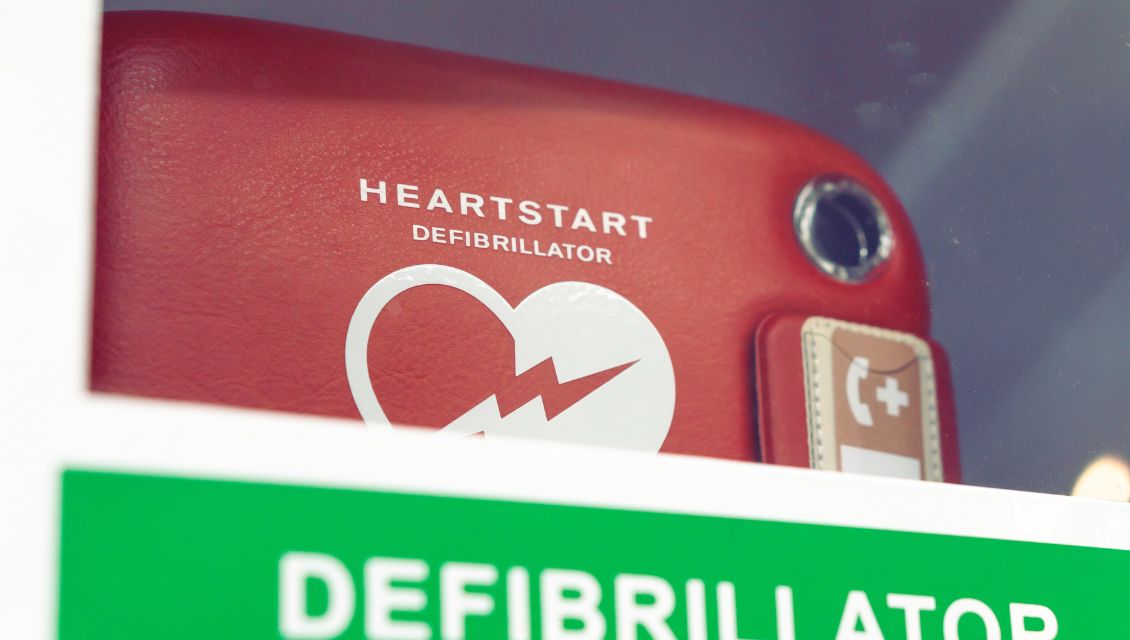
South Australian commuters will soon have a better chance of surviving a cardiac emergency, with automated defibrillators to be rolled out across the state's public transport system.
Every train and tram in the state is now equipped with Automated External Defibrillators (AEDs), with each device clearly marked with signage and positioned for quick access by both passengers and staff.
Around 70 per cent of Adelaide Metro buses have been issued with the life-saving devices, with the remainder expected to follow suit in the coming weeks. Defibrillators will also be fitted on 130 regional buses over the coming weeks.
In all, more than 1100 AEDs will be installed across South Australia’s public transport system by the end of the year.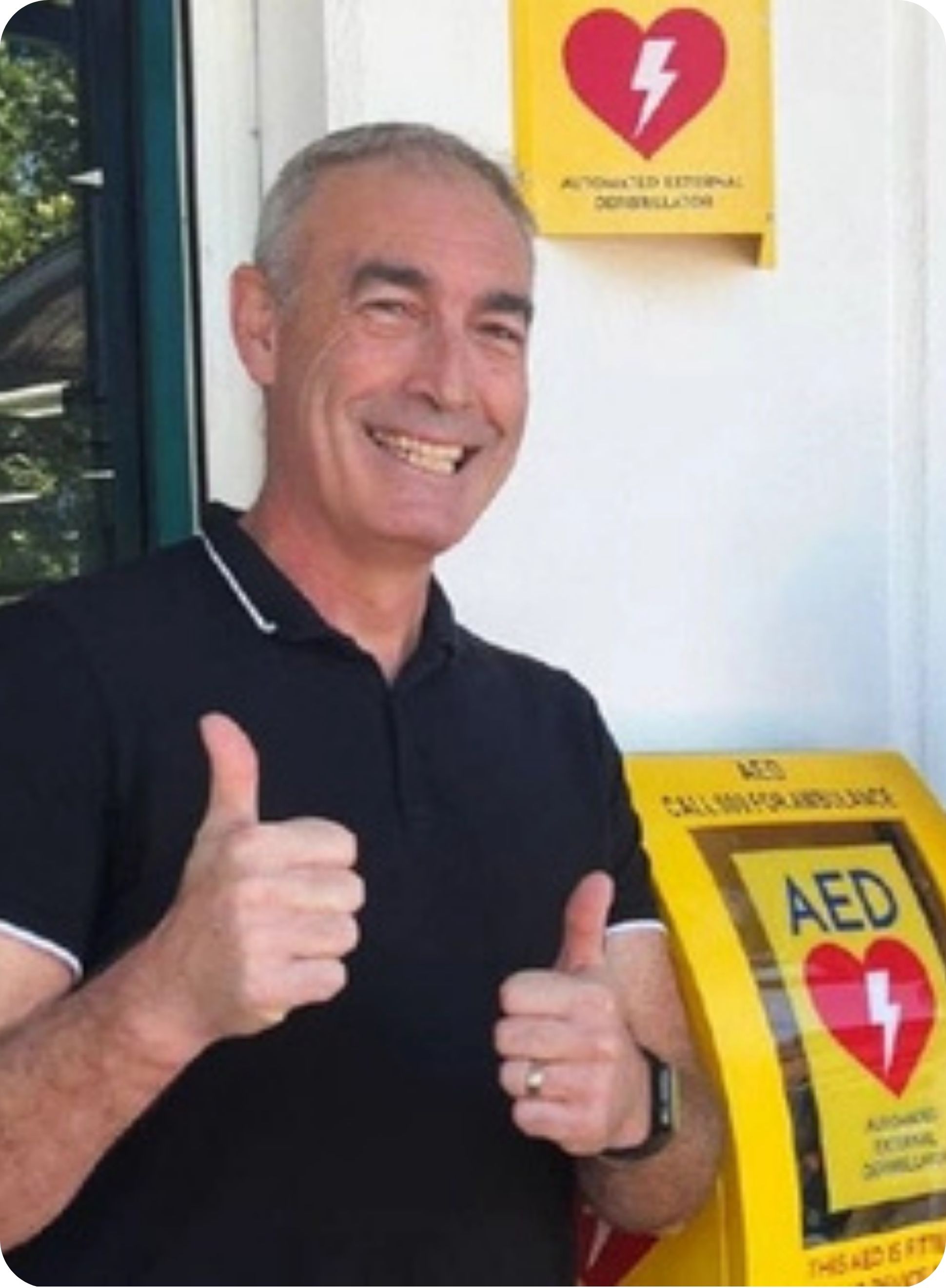
Heart of the Nation (external site) founder and cardiac arrest survivor Greg Page, pictured, knows firsthand the impact of this rollout.
"As someone whose life was saved by bystanders, I can tell you that every minute counts when someone suffers a cardiac arrest," Mr Page, a former member of The Wiggles, said.
"Improved accessibility to AEDs, combined with community education, gives people the tools and confidence to call emergency services, start CPR and find and use an AED."
From 1 January 2026, publicly accessible AEDs will be required on all public transport vehicles, and in all privately-owned public buildings and spaces such as schools, universities, libraries, sporting facilities, clubs, community centres and halls, theatres and swimming pools.
AEDs are already placed in government-owned buildings and facilities, including schools, libraries, and major event venues such as Coopers Stadium, Adelaide Convention Centre, and Adelaide Entertainment Centre.
The State Government is making AED's widely accessible under its world-leading laws to mandate defibs in the community right across the state.
To support the rollout, the Heart Foundation (external site) is educating South Australians about just how simple AEDs are to use through its Shockingly Simple campaign.
Heart Foundation General Manager South Australia Claire Gardner said AEDs were designed to be simple and safe to use.
"Through our Shockingly Simple (external site)campaign, we’re helping people feel confident that they can step in and save a life, even if they’ve never used an AED before," she said.
AEDs have clear, step-by-step instructions, to guide the user through the process. The devices automatically analyse the heart's rhythm and will only deliver a shock if needed, making them safe, effective and simple.
When someone suffers a cardiac arrest, they may collapse, become unresponsive or stop breathing normally or at all.
In these situations, it is critical to call Triple Zero (000) immediately. The emergency operator will also be able to direct callers to the nearest AED.
Every minute defibrillation and CPR is delayed, a person’s chance of survival decreases by about 10 per cent.
MORE STORIES LIKE THIS