“A car registration number, an online ad or an overheard comment could be the missing piece that helps our investigators catch traffickers and rescue captive animals.”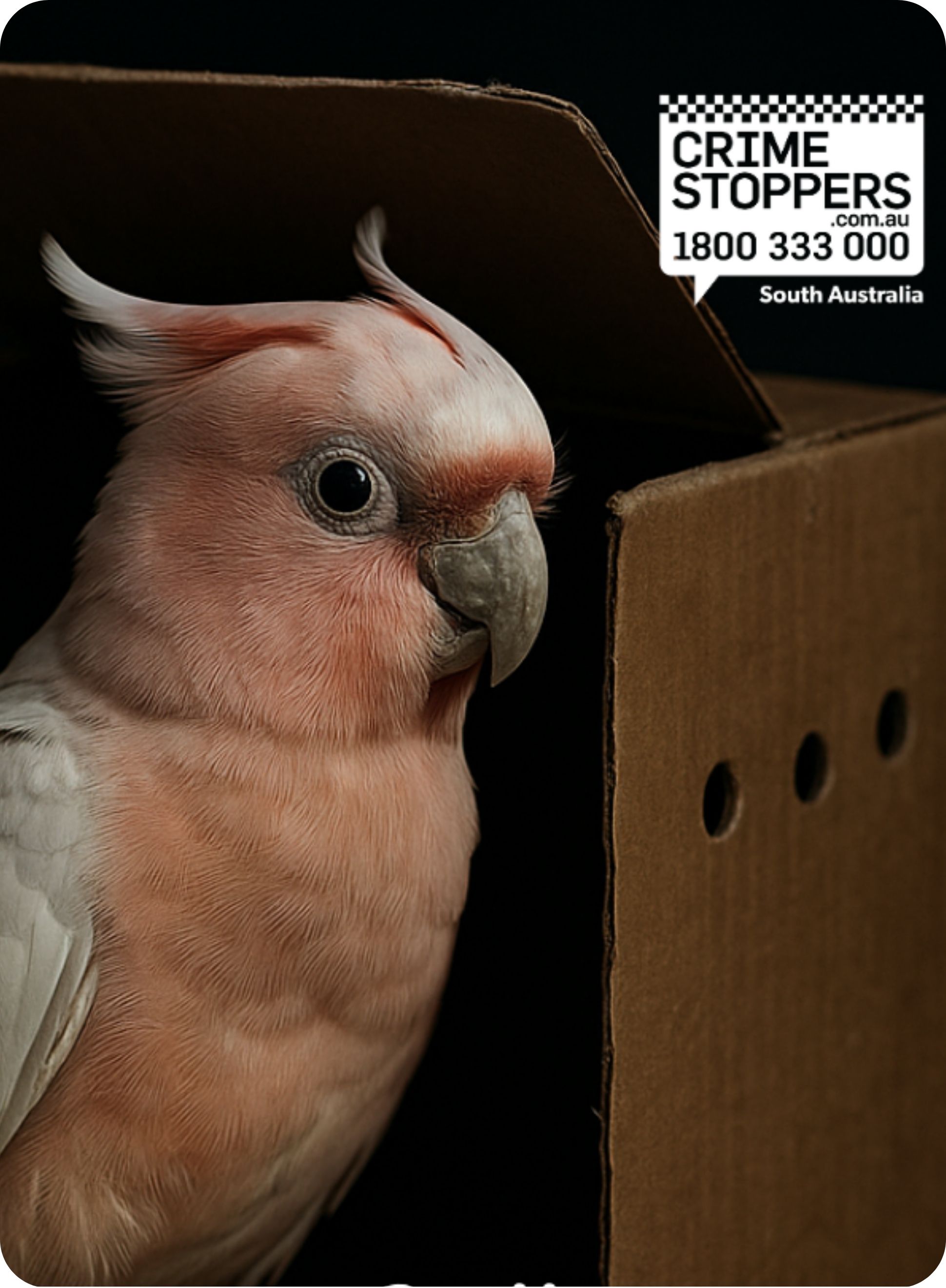
That’s the message that DEW’s Director of Conservation and Wildlife Lisien Loan would like the public to embrace as South Australians are encouraged to call out suspicious behaviour linked to the illegal wildlife trade.
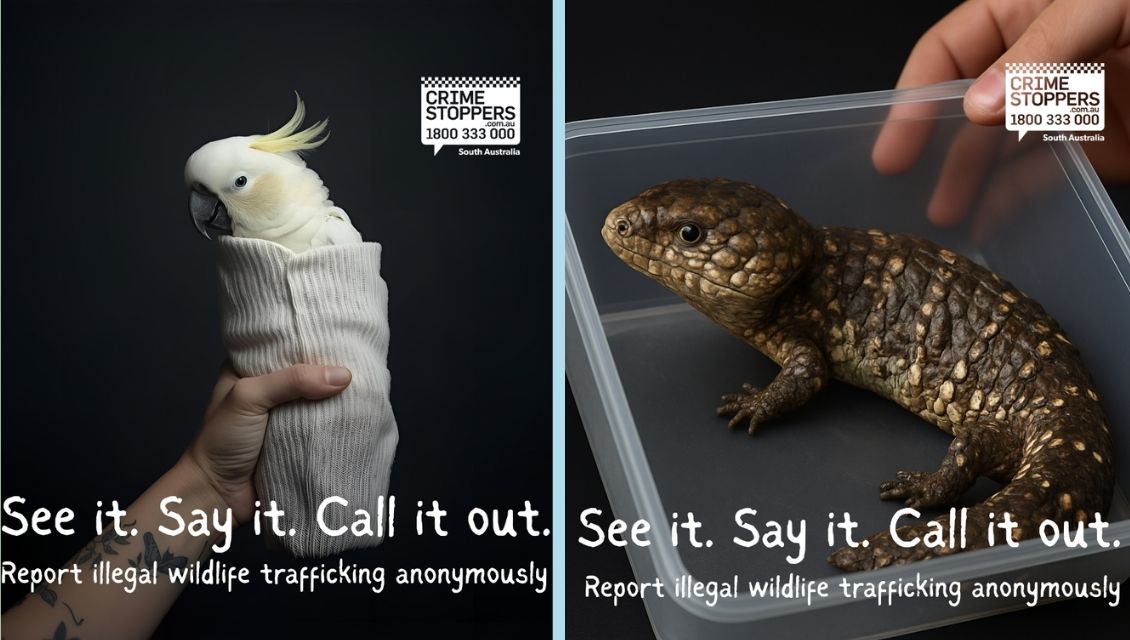
A new campaign – named Call It Out – aims to expose the cruel practices of traffickers and show how the community can help by speaking up.
Wildlife trafficking involves the capture, transport and sale of native species, including birds, lizards, snakes, frogs, small marsupials, ants and invertebrates.
Illegal wildlife ownership and trade poses a significant threat to these animals, which are smuggled in cramped, inhumane conditions that many never survive.
The Call It Out campaign highlights warning signs that can help the public identify potential wildlife crime and exploitation, including:
- People digging, trapping or collecting wildlife in bushland or reserves.
- Vehicles parked off-track or hidden, especially with ladders or equipment near trees or hollows.
- Online listings for native animals without a South Australian permit number (for non-exempt species).
- Large numbers of native animals kept in poor conditions.
Criminals, fuelled by global black market demand for exotic pets and breeding stock worth thousands of dollars, also put local ecosystems and biodiversity at risk.
The Stat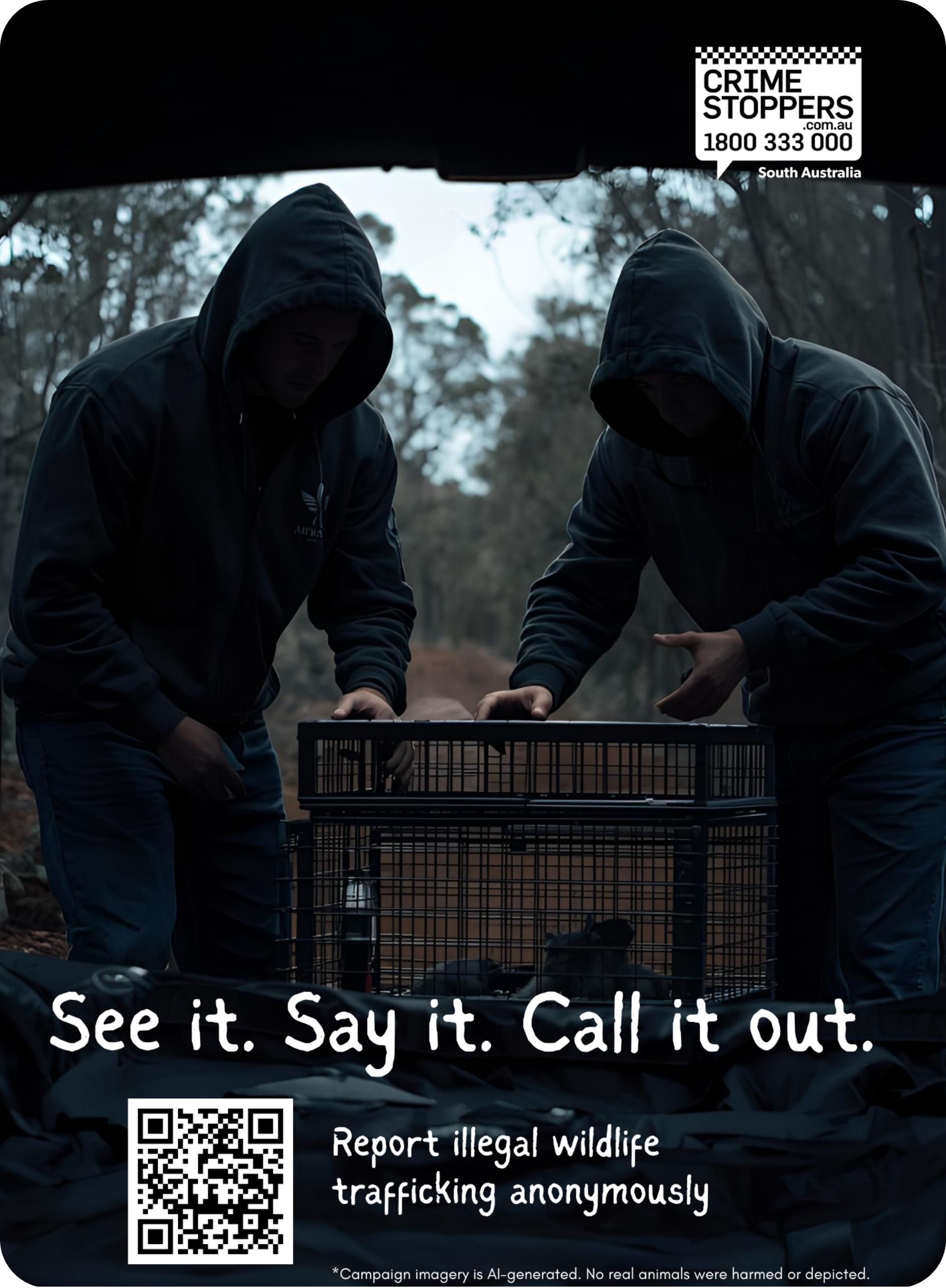 e Government is implementing tougher penalties for people that harm or traffic native animals, including a maximum $500,000 fine or 10 years jail for individuals under the state’s first Biodiversity Act. Current fines are up to $100,000.
Ms Loan said information from the community was vital for identifying and stopping traffickers.
“It is also important to remember that a permit is often required to keep native animals as pets in South Australia,” she said.
“Permits are essential for ensuring the wellbeing of these animals, regulating their care and protecting native species.
“If purchasing a native animal, ensure you source it from a permitted business or animal keeper, and record the details of the person you purchase the animal from – you may be required to supply this as part of your permit application.”
Crime Stoppers South Australia CEO Nigel Smart said wildlife trafficking was a cruel practice.
“Animals are crammed into socks, wrapped in plastic and stuffed into boxes, and the sad reality is that many die in pain before they are ever sold,” Mr Smart said.
“Wildlife trafficking is a cruel, lucrative and growing form of organised crime. South Australia’s rare birds, reptiles and mammals are targeted by traffickers who pocket thousands on the black market.”
The initiative is supported by the University of Adelaide’s Wildlife Crime Research Hub, which is running its showcase public event at the Adelaide Zoo until 28 November.
To anonymously share information, visit dew.crimestopperssa.com.au
MORE STORIES LIKE THIS