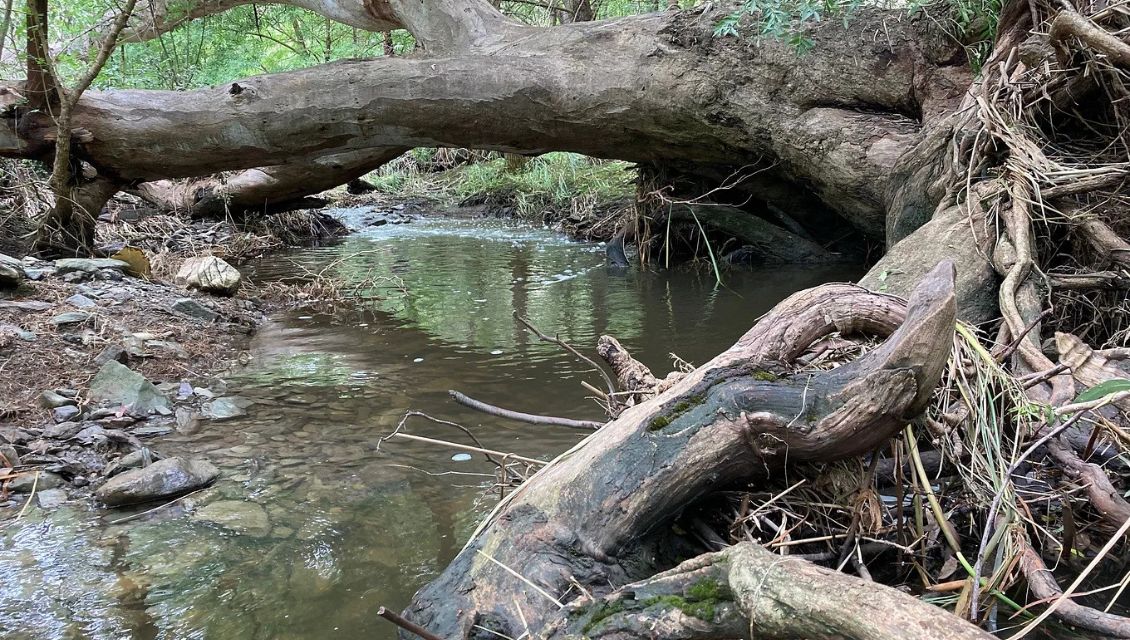
The newly gazetted Kauwi-marnirla-Field River Conservation Park will be a focal point for conservation groups and a community open space.
A management plan will be created for the new park, which will include provisions for new signs and walking trails.
The Aboriginal co-name, Kauwi-marnirla translates to place of ‘two good waters’ and is pronounced ‘Cowee-mar-nir-la’.
The increased management and protection with conservation park status will ensure native species and habitats are better protected.
The proclamation of the new park provides a significant opportunity to protect, restore and re-wild the metropolitan river valley corridor along the length of the Field River catchment adjacent to the Glenthorne National Park – Ityamaiitpinna Yarta.
Director, National Parks Programs with National Parks and Wildlife Service Jason Irving said the new park presents an opportunity to protect and restore a significant portion of a unique metropolitan river system at Field River.
“Protection of the valley will improve the ecological, heritage and recreational outcomes of the area,” Jason said.
Chief Executive Officer of Foundation for National Parks & Wildlife Ian Darbyshire said that for more than 50 years the Foundation had focused on landscape resilience and restoration, drawing on both scientific knowledge and First Nations wisdom in restoring and managing land.
"The Kauwi-marnirla-Field River Conservation Park is a primary example of the important work achieved through the collaborative efforts of government, indigenous, corporate and community groups to preserve our native land and wildlife habitats," Mr Darbyshire said.
"It sets the benchmark for future projects to extend and protect our parks and protected areas as well as safeguard natural habitats."
The park will be managed by the National Parks and Wildlife Service in conjunction with Kaurna practitioners who will help deliver land management services that utilise traditional knowledge and practice.
An Aboriginal works team will carry out weed control, carbon sequestration opportunities and delivery of prescribed burns. This offers Kaurna the opportunity to reconnect with the cultural and environmental values of country.
Call for feedback on KI marine park proposal
Meanwhile, the South Australian Government is seeking public feedback (external site) (external site)on a proposal to better protect one of our state’s most popular tourism destinations and important sea lion habitats.
Public consultation on a proposal to expand the Southern Kangaroo Island Marine Park and Seal Bay Sanctuary Zone is currently underway and will close 13 December.
The marine park, which was established in 2012, is a protected area along the southern coast of Kangaroo Island that includes deep-water reefs, exposed cliffs and rocky headlands.
Expanding the marine park and sanctuary zone within the park will further safeguard vital breeding grounds for Australian sea lions and contribute to the biodiversity and health of the marine ecosystem.
The proposal would increase the size of the marine park from 673sq km to 688sq km while the Seal Bay Sanctuary Zone would increase from 77sq km to 95sq km.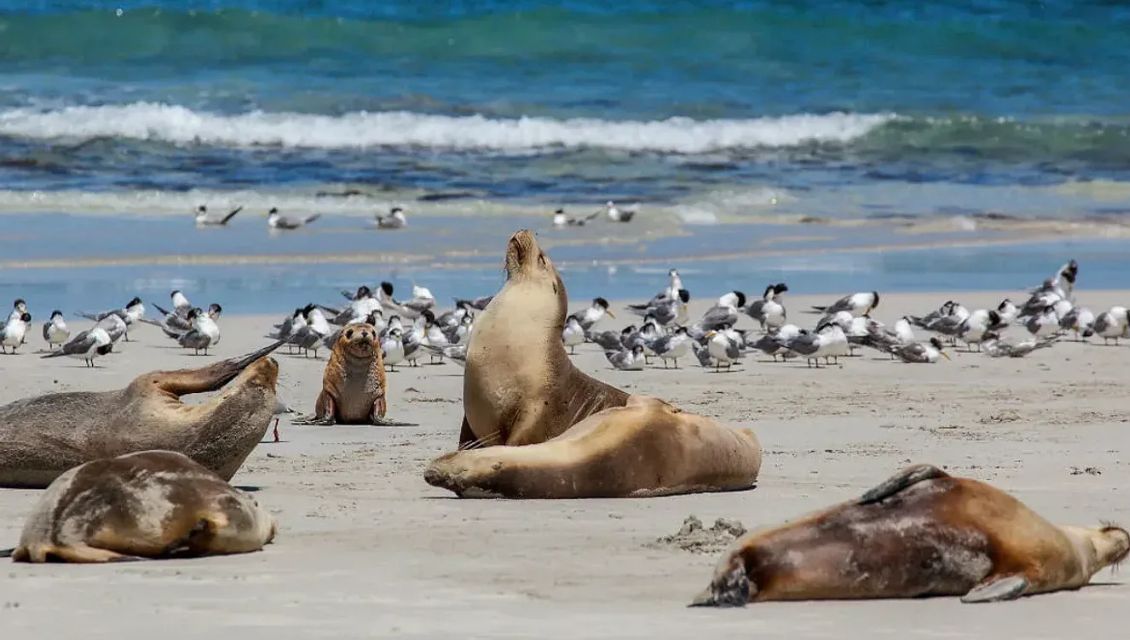
Under the proposal, shore-based fishing will continue through the proposed extension area via the declaration of a ‘special purpose area’.
Marine parks are designated areas of ocean and coastline protected for conservation and sustainable use.
They aim to preserve marine biodiversity, habitats and cultural values while providing for ongoing recreational and commercial activities.
Sanctuary zones are high-protection areas within a marine park set aside exclusively for conservation and low-impact recreation. In these zones, all forms of fishing are prohibited to protect critical habitats and breeding grounds for marine life.
Sanctuary zones make up about six per cent of South Australia's coastal waters, leaving 94 per cent available for fishing.
The Department of Environment and Water is consulting with key stakeholders including marine scale, rock lobster and abalone industry representatives, RecFish SA, the Kangaroo Island Council, the Conservation Council and Wilderness Society.
The feedback will help inform a final decision on any changes to Southern Kangaroo Island Marine Park and the Seal Bay Sanctuary Zone.
For more information about marine parks click here.
These stories were prepared by the Department for Environment and Water and are republished here with permission.