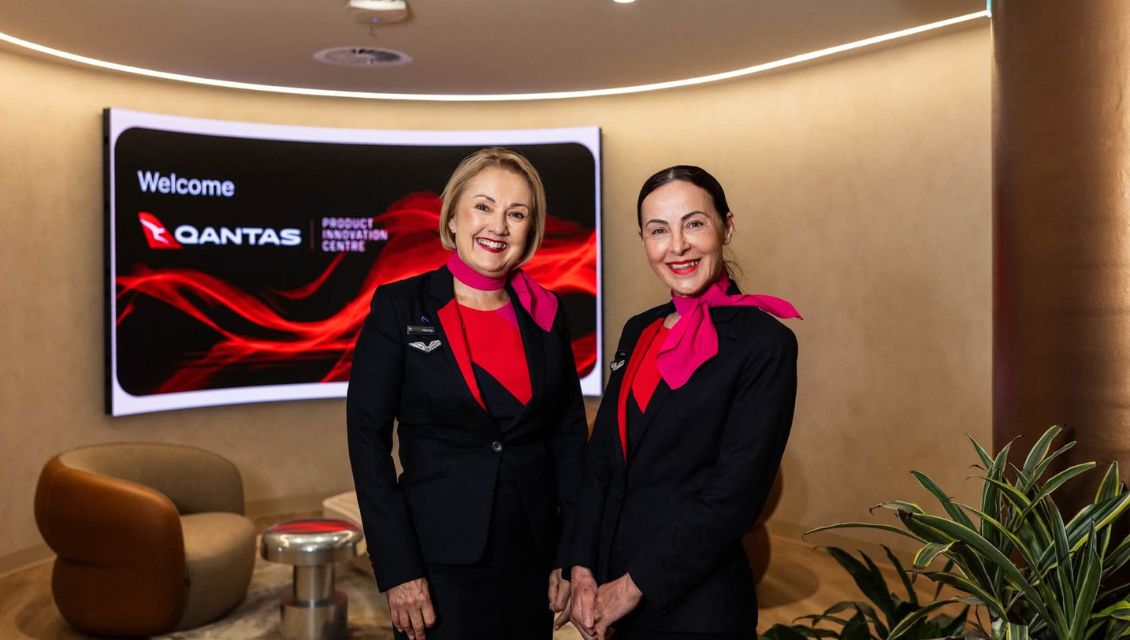
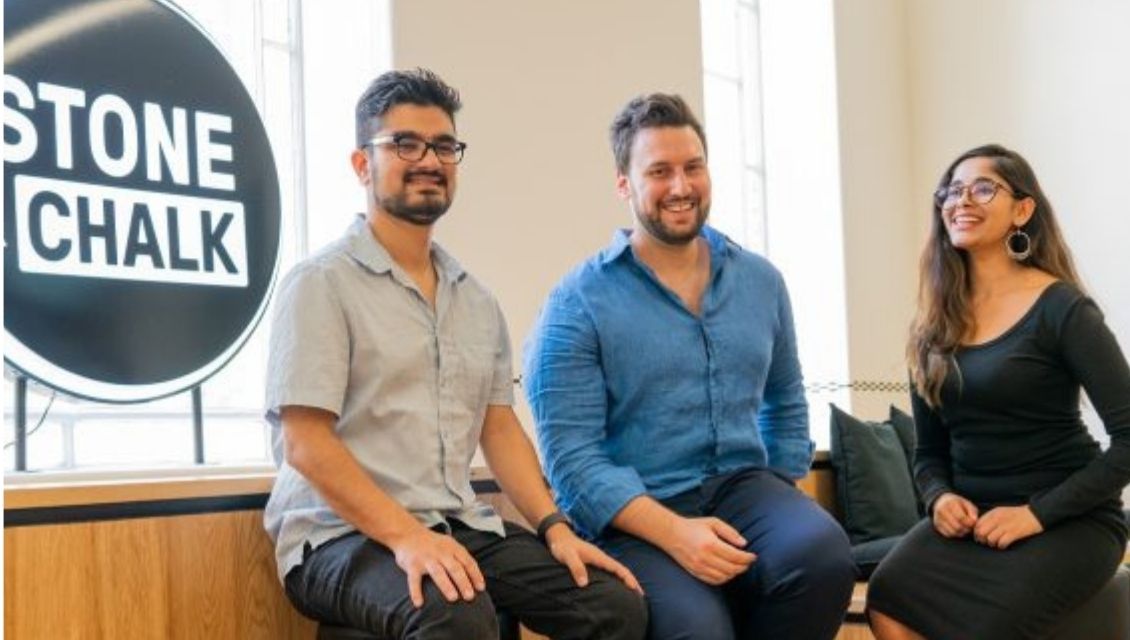
Adelaide's innovation ecosystem is supported by a network of dedicated startup hubs, including Flinders New Venture Institute at Tonsley Innovation District, Stone & Chalk’s Startup Hub at Lot Fourteen and Adelaide University’s Innovation & Collaboration Centre and ThincLab, providing founders with the space, support and connections to grow and scale.
These are the startups to watch in 2026.
Flux Robotics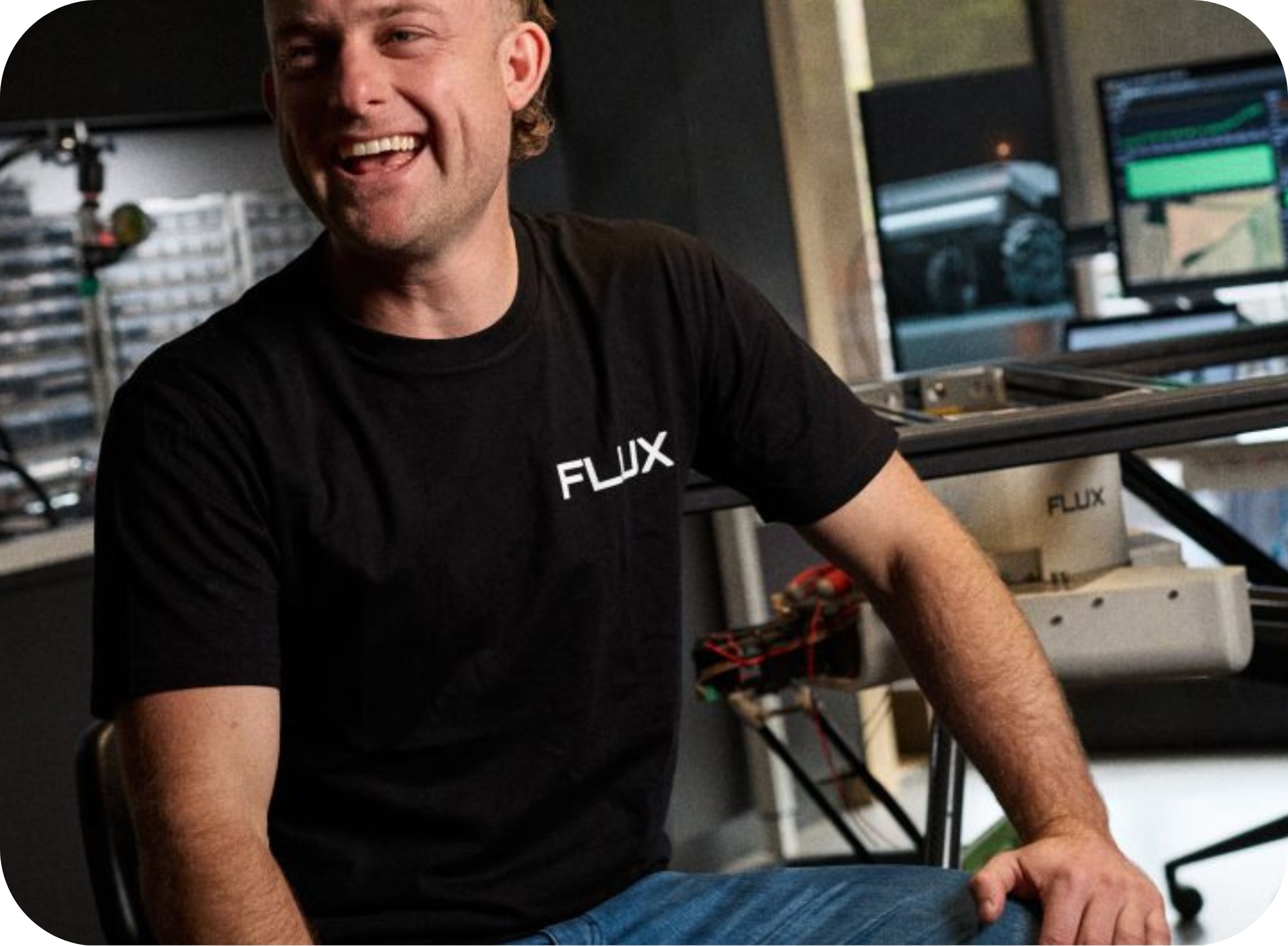
Purpose: To reduce pesticide use in grain crops by 99 per cent, eliminating reliance on fossil fuel machinery for delivery.
Product: A solar-powered robot the size of a small car, which sees every millimetre squared of a paddock in three weeks.
Team: Five
Funding: Pre-seed, Seed Start grant of $500,000 from the Department of Industry and Skills and angel investment from farmers.
Founded in 2021 by Jordy Kitschke, a former farmer and self-taught engineer, Flux Robotics is a game-changer in the reduction of pesticides used in grain farming.
Flux’s product philosophy started with the biggest limiting factor – the question "Can you get a robot to detect a weed?"
The rover streams high-resolution imagery to the onboard AI to identify and remove weeds in real time. It also captures other insights, such as crop health. The solar-electric drivetrain and battery storage enable the robot to run purely off solar power day and night.
In Flux’s commercialisation journey, two units are already deployed, with 50+ domestic pre-orders and interest across 10+ countries in the acquisition of the 3m x 2.5m x 1m robots. Flux’s next challenge is the capital to scale manufacturing from one robot per month to one per day.
"We can provide the highest resolution data that grain farmers have ever had access to. We can see things down to a millimetre and act on them within a few millimetres of accuracy, which creates a whole new realm of what’s possible out in a paddock."
Chefadora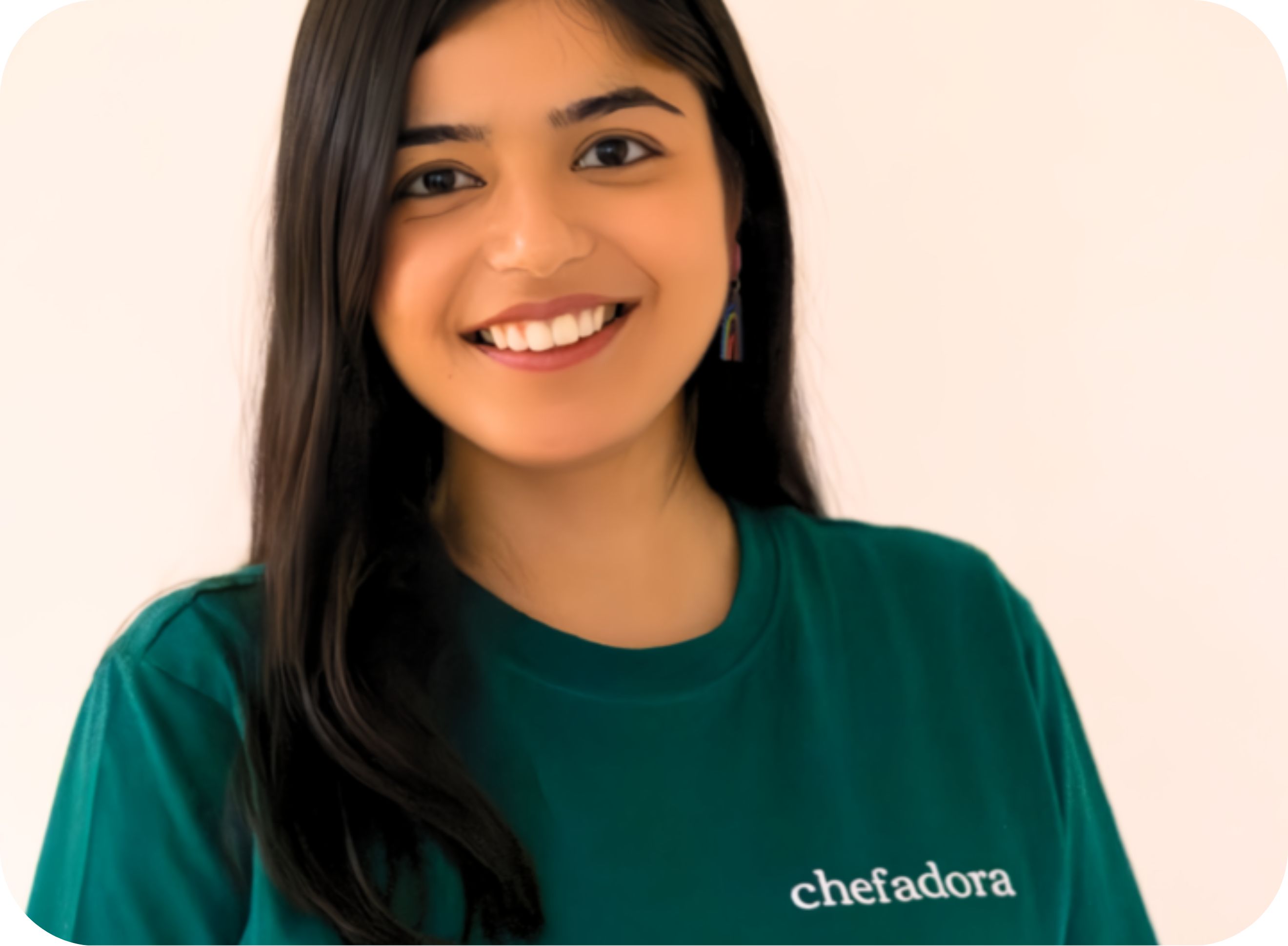
Purpose: a global recipe-sharing platform and AI-powered cooking assistant that connects home cooks, food bloggers and professional chefs, allowing them to share and monetize recipes.
Team: 9
Funding: Bootstrapped. $50,000 grant to work with the Australian Institute for Machine Learning.
Sanjam Kohli started Chefadora in 2023 as a way to connect with home. With recipes from her mother arriving in voice notes, photos of recipe cards, emails and messages, Kohli’s need for a structured approach without the administrative burden of a traditional recipe blog, led her to co-found Chefadora.
The website hosts thousands of recipes from over 180 countries, with more than 100,000 monthly active users and support for over 100 cuisines. The platform enables creators to earn via ad revenue, affiliate links, and recipe sponsorships.
Chefadora continues to add new features and refine the offering, with Hindi, French and Spanish to be the first of 80 languages added to the platform. Soon visitors will be able to search and filter by dietary preferences, health goals, ingredients and even the local weather.
"My mum is an excellent, excellent home chef, with wonderful recipes curated over the years. As an engineer, I like things to be very methodical, so Chefadora organises recipes seamlessly for both creators and cooks."
Tday.com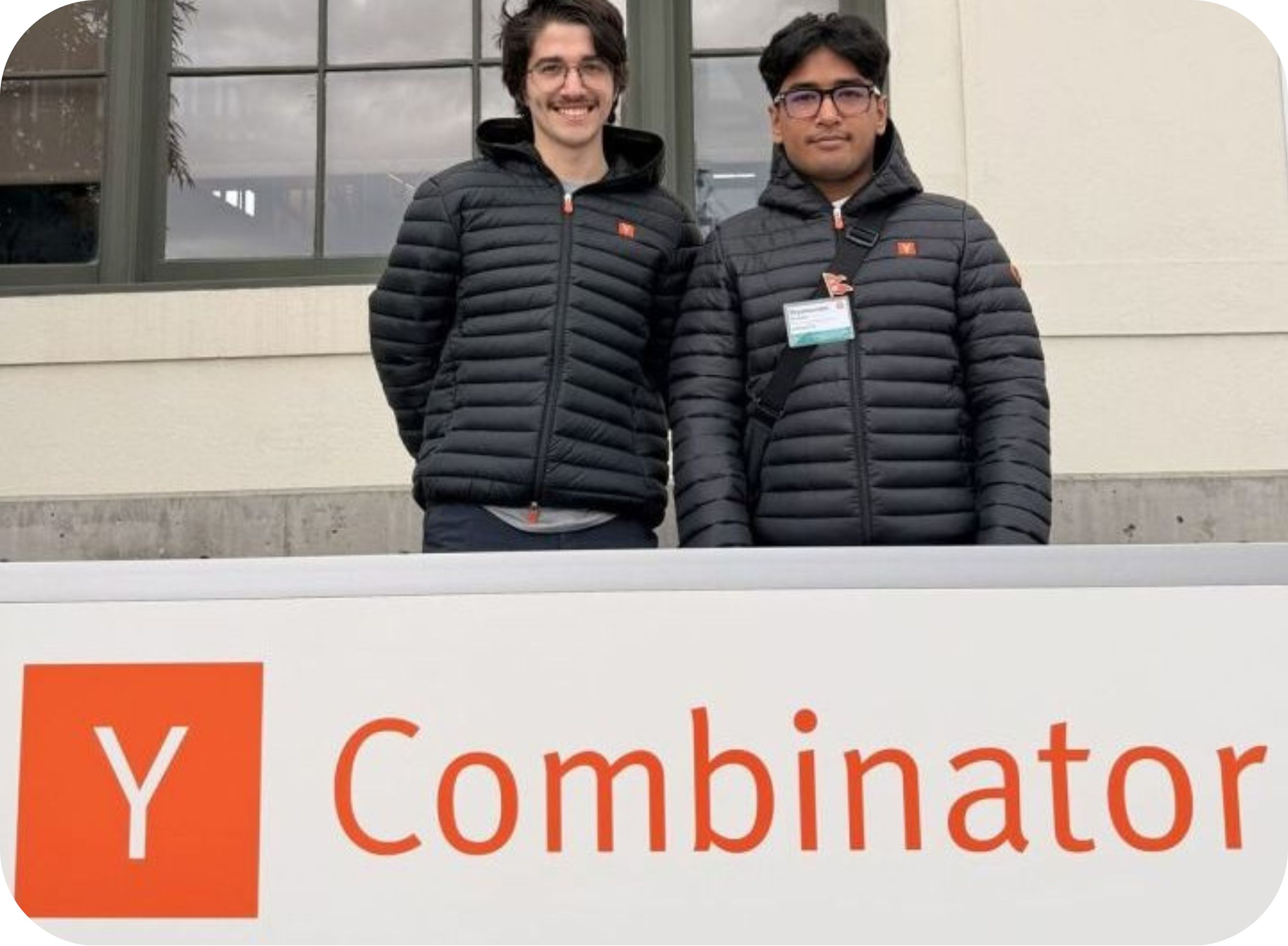
Purpose: An AI design tool that automates repetitive design tasks, focusing on brand consistency.
Team: Three
Funding: Y-Combinator accelerator grant of $700,000
Boundless spoke with tday.com founders Cyrus Kelly and Shyamsundar Shrestha in April, three months and five days after the company was founded. The pair took the time to chat from San Francisco, where they attended Y Combinator, a leading global startup accelerator.
These young founders are hyper-focused on solving problems in a hands-on way. At 19 and 23 years old, the pair have already started eight companies between them, applying that business experience and nous to this current venture.
With 627 users already, most of their time is spent reading and responding to customer feedback with improvements to the software service.
"I can be the one to solve this problem."
Moonlode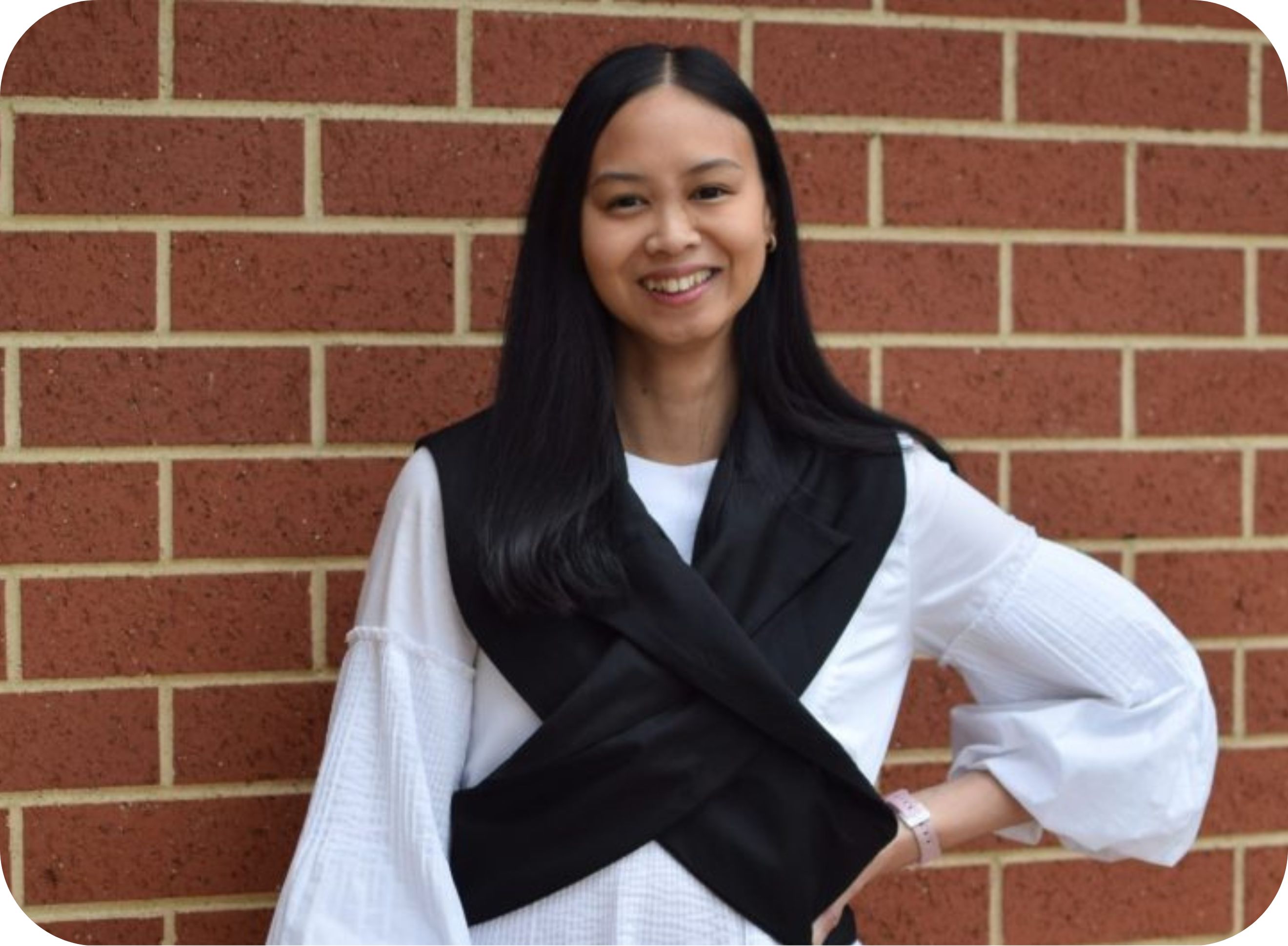
Purpose: To help payloads and satellites withstand extreme temperature fluctuations of more than 300 C.
Product: Multi-layer insulation (MLI) blanket for space
Team: Four
Funding: Stipend through Adelaide University’s Innovation & Collaboration Centre.
Founded in 2021, Moonlode is developing MLI blankets for satellites and lunar surface payloads where the impact of extreme temperatures is mission-critical. The key to success combines thermal engineering with intricate craftsmanship to build thermal insulation blankets with high precision. As the only company in Australia dedicated to servicing the thermal management needs of the space industry, the team plans to expand into new markets, commencing with New Zealand and India.
MLI technician Aurelie Sowerbutt’s unique background is the ideal fit for this type of work. She studied pure mathematics and worked in finance, prior to studying fashion and working as a designer for a local sportswear company. Now her skills are being applied to the precise engineering of each layer, which is held together securely without touching each other or tearing, a process Sowerbutt’s says is "more intricate than bridal gowns".
"An accidental tear is treated as a serious defect, because the material is so sensitive and performance critical. If the fabric is punctured, you have to start again."
Optible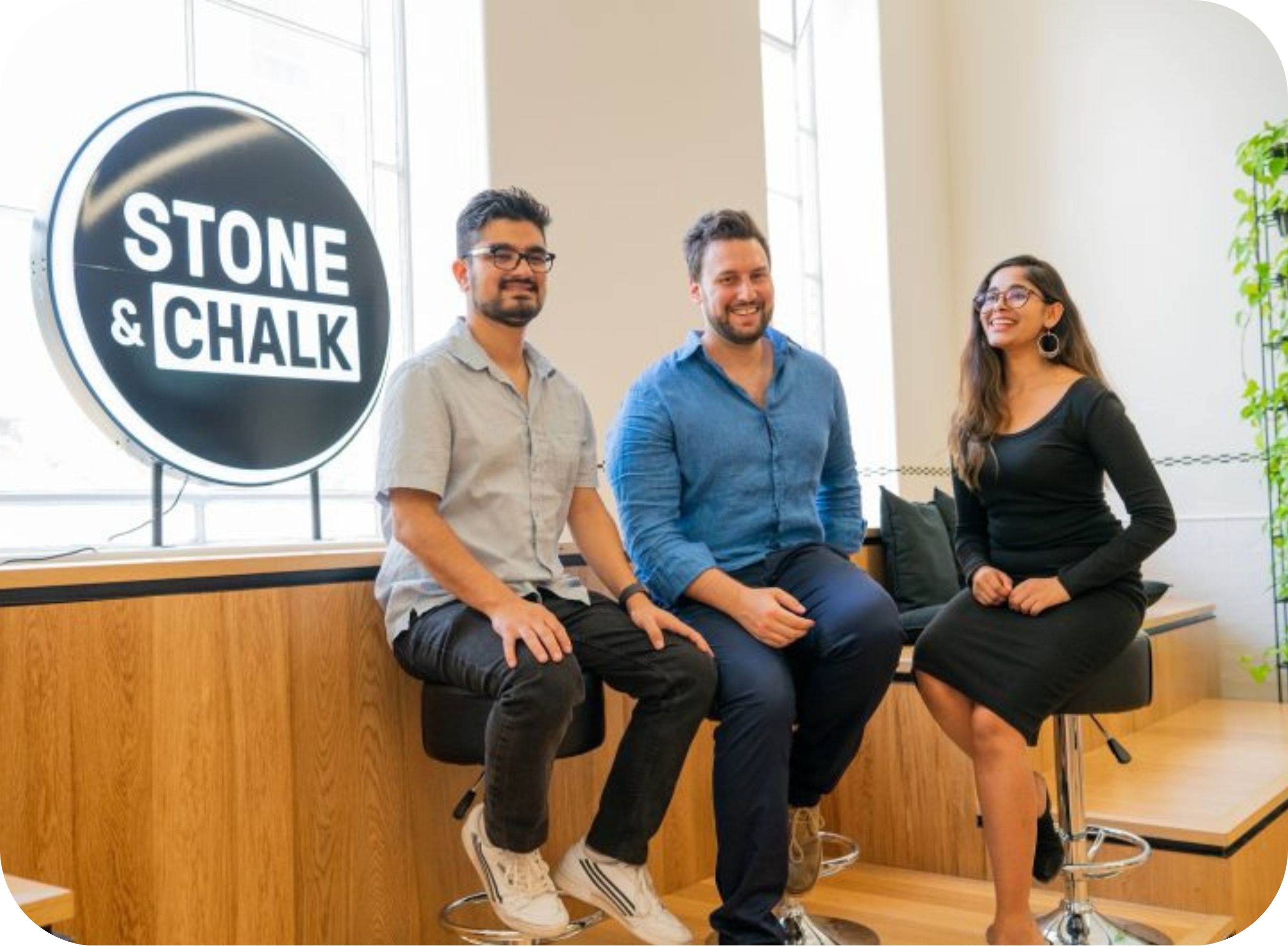
Purpose: AI-powered grant application screening, to enable grant makers to identify eligible applications quickly with a clear and auditable trail showing why select applications were funded.
Team: 10
Funding: Seed funding
Back in 2019, before the AI boom of 2023, Optible’s founders Nick Boniciolli and Sameer Poude built an early, small language model specifically for grant makers. When waves of AI grant applications started to flood in, Optible was ready with a proven solution to assess and score applications against a detailed, weighted and adaptive rubric.
The true winners are Optible’s customers. The tool relieves individuals of the extensive time and cognitive load of sifting through unprecedented numbers of AI-generated grant applications. Currently assessing applications from over 102 countries, the service has built-in translation and integrates seamlessly with existing workflow tools like Salesforce and SmartyGrants.
Optible has expanded into the United States with team members on the ground and is negotiating deals with some of the world’s most recognisable brands.
"Optible is like a cup of coffee for grant makers. It takes a lot of the burden of the work away, so the grant maker can sit back and relax, enjoy the experience. It also gives them that kick, like caffeine, as there’s so much efficiency in the tool."
Rooo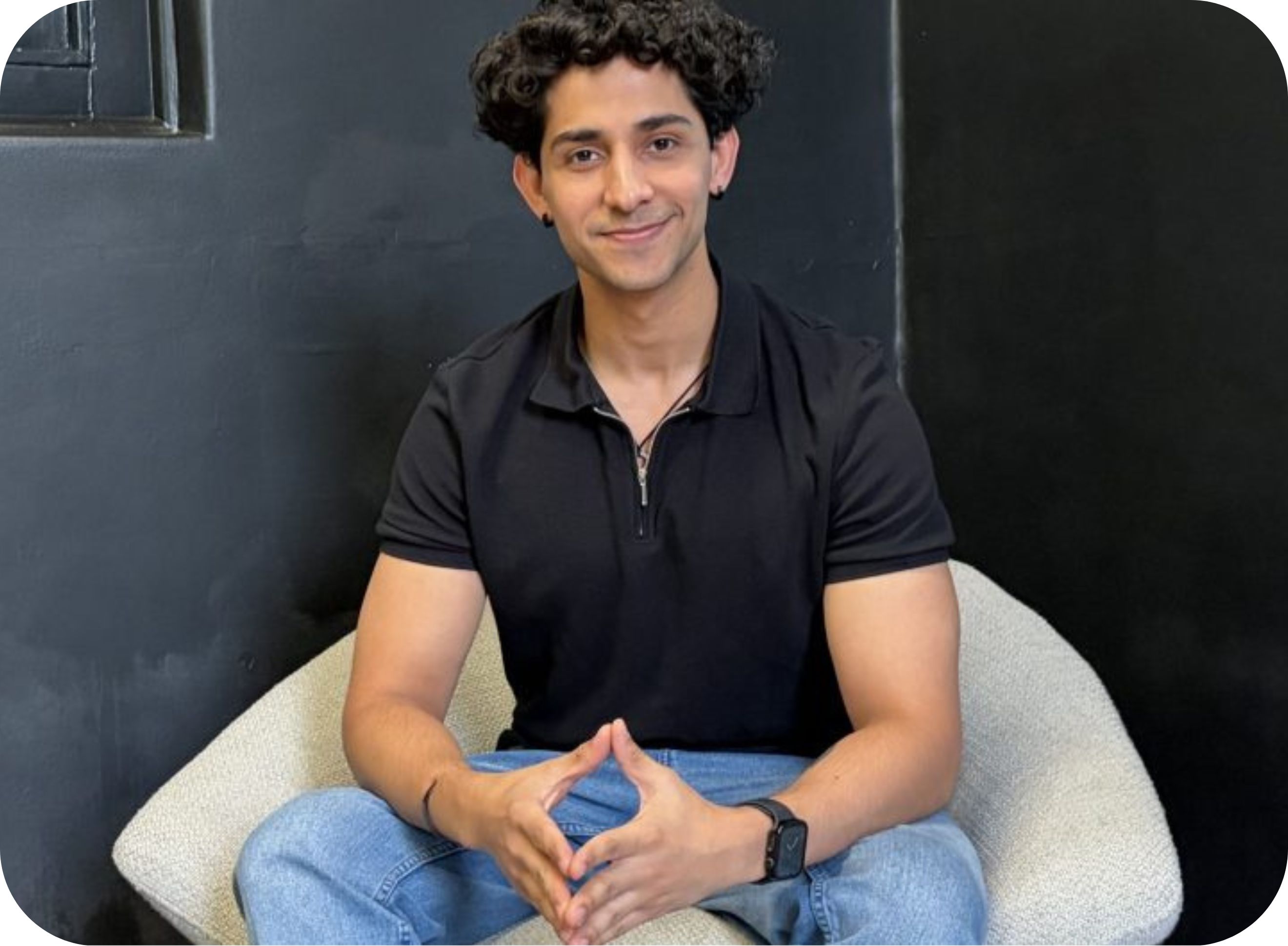
Purpose: To build Australia’s first locally owned mobility super app where rides, services, sustainability, and community all come together.
Team: 15
Funding: Bootstrapped
A great business idea can arise in the unlikeliest way – such as over a pizza shared with housemates. Saksham Mahajan and his housemates, all migrants to Australia, were discussing how to start a business. After rejecting drop-shipping and social media, the group landed on rideshare, something each person had direct, frustrating experiences with.
The friends thought they could provide a service based out of South Australia, offering a good deal for drivers and riders alike. The group decided to build a new, locally owned platform that removed commissions, treated drivers fairly and would have a positive community impact. Rooo was born.
With over 1500 drivers, over 1000 riders, and delivering over 500 rides (as of 03 April 2026), Rooo is favoured by drivers in Adelaide. Rooo’s strategy is to establish a strong market in metropolitan Adelaide before expanding to other states and rural regions.
Rooo’s goal is to make rideshare worth it, with a subscription business model that lets drivers keep higher fares compared to competitors by removing commissions. The true point of difference is the local support. When a driver needs help getting set up on the platform, support is provided in real time or even in person.
"As soon as the app went live, we went to the airport to talk to the drivers there. We want to show SA that we’re local, we’re on the ground and delivering value to South Australia’s economy."
UING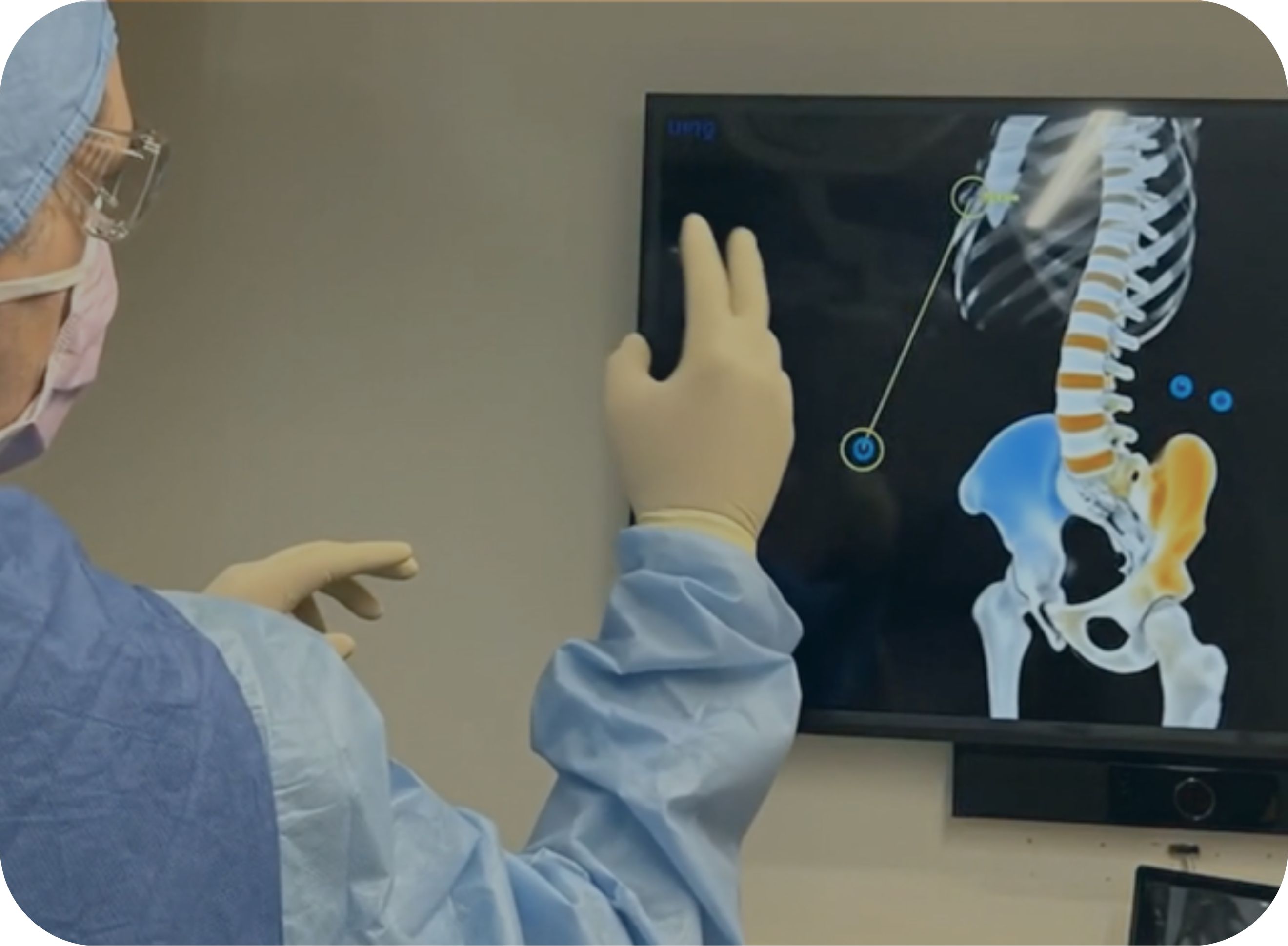
Purpose: To enable ‘touch-free’ control of screens in medical and commercial settings.
Team: 2
Funding: Pilot sales and bootstrapping towards seed round
Sean Killian and Martin Potter-Denton are two software developers who couldn’t resist pursuing a fun and cool idea. After experimenting with projection mapping, depth-sensing, computer vision and AI, they realised the practical need for touch-free interaction with a distant screen.
With a clear market opportunity to pursue, the duo founded UING (pronounced ‘Wing’) in 2024 at Flinders NVI, Tonsley Innovation District. Now UING is focused on two products: VeraPACS software for intraoperative medical imaging and UING Studio, a spatial interface presentation technology to control screens at a distance.
The goal wasn’t to mimic Minority Report or Iron Man’s Jarvis, but the futuristic tech echoes science fiction. Keyboards and mice, the technology used today, are derived from the typewriter. These aren’t fit for purpose in surgery or harsh environments, for example, but until now, it’s what was available.
UING has strong market interest in Japan, where companies are focused on deep tech innovation. In Australia the startup meets needs of the local market with ready‑to‑go technology, removing barriers for adoption.
"As entrepreneurs, this is what we do – find something we don’t know about and learn a lot about it very quickly."
SuperIT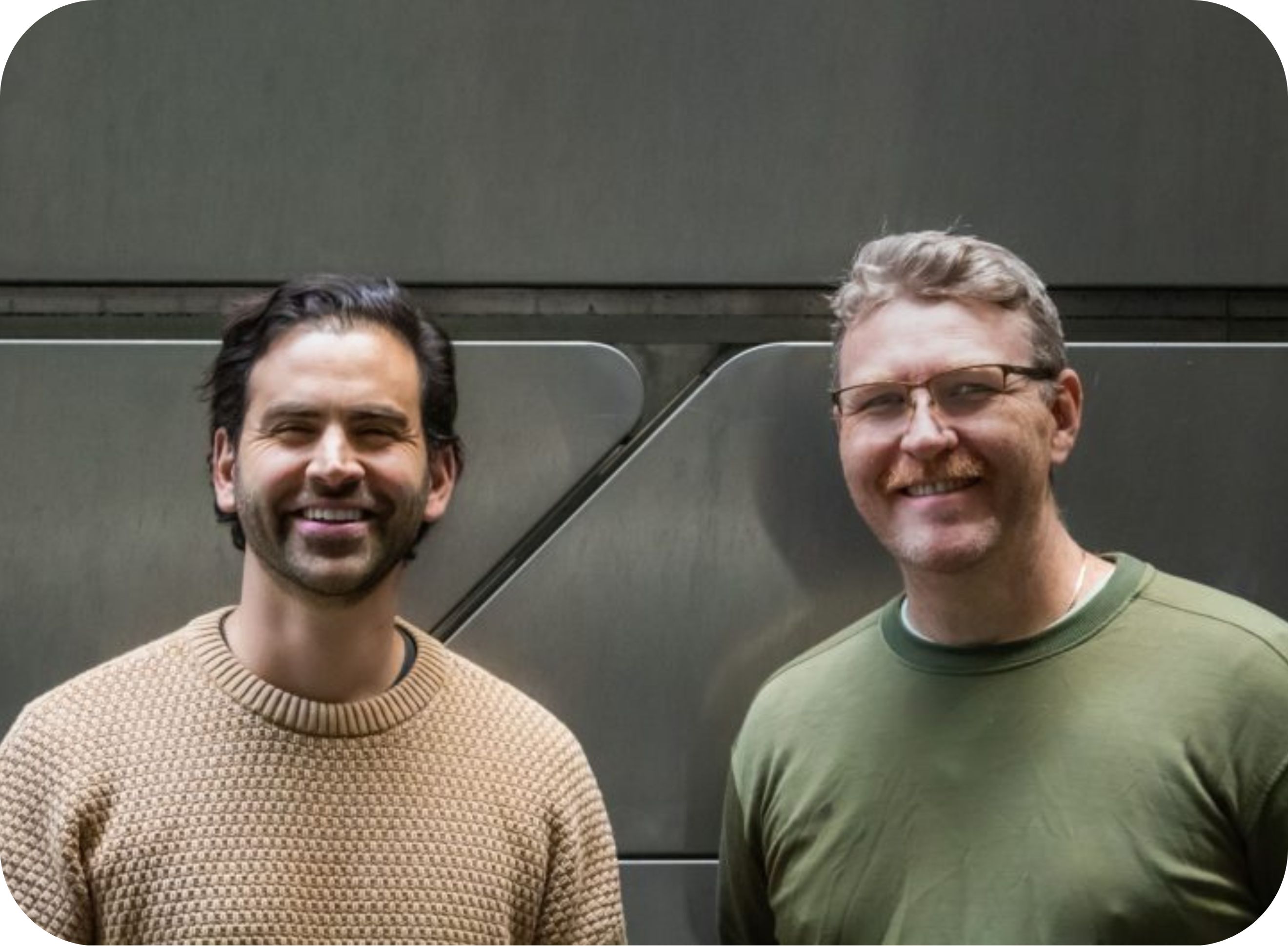
Purpose: Help IT teams to deliver 10/10 support with fast response times with agentic AI
Team: 5
Funding: Pre-seed
Chris Sale, founder of SuperIT, is passionate about delivering the highest quality IT services. He founded and grew a managed services provider (MSP) for 10 years and knows firsthand the challenges of scaling top-notch support through help desks.
Founded in April 2025, the startup is currently running pilot programs with seven customers, validating performance ahead of plans to scale globally.
The company aims to solve over 70 per cent of standard IT issues autonomously and safely. It combines state-of-the-art AI models and extensive agent tooling for deep integration into IT environments.
The goal is to become a ‘small giant’ with an A-plus team of engineers, product designers and technologists who will achieve an outsized impact, with efficiency and focus.
"It’s SuperIT’s mission to help the companies it supports to have a greater impact on the world."
This article was prepared by Innovation Places South Australia for its Boundless Magazine and has been reproduced with permission.