Every ferry bound for Kangaroo Island is now subject to biosecurity checks and a sentinel hive program has started to roll out across the island following the first detection of varroa mite in South Australia last month.
As a declared bee sanctuary, there are restrictions on the movement of bees, honey and beekeeping equipment to Kangaroo Island.
Random biosecurity checks of travellers on board ferry services to the island have been place for more than a decade.
Now, additional biosecurity staff have been employed to ensure checks are carried out on all ferry departures from Cape Jervis.
A sentinel hive program is also being rolled out to help reduce the risk of varroa mite establishing and spreading on the island.
Sentinel hives - specialised beehives used to monitor and detect the presence of harmful pests - are now in place at Cape Jervis, Penneshaw, Parndana and Kingscote Airport with a further six to be implemented across the island in coming months.
The hives are monitored regularly in collaboration between the Department of Primary Industries and Region's (PIRSA) Apiary Unity, the Kangaroo Island Biosecurity Program and Kangaroo Island beekeepers.
Kangaroo Island Beekeepers Association Secretary Sharon Simons said the announcement was an "excellent step in helping to protect Kangaroo Island's bees".
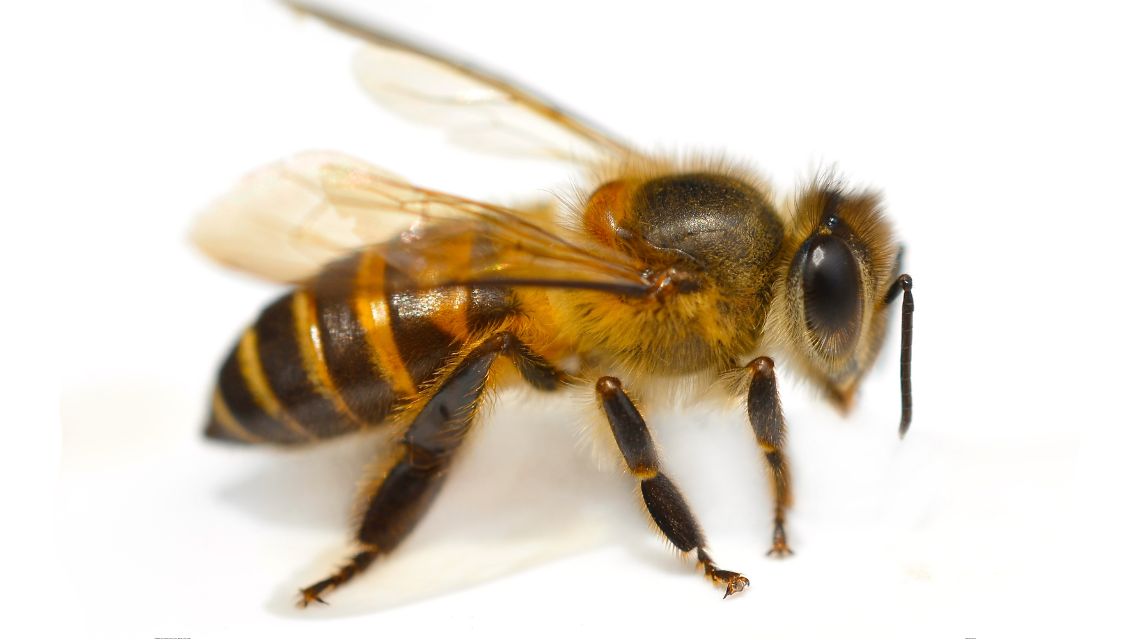
"Kangaroo Island is the world's oldest bee sanctuary and home to the purest strain of Ligurian bee in the world," she said.
"We welcome the additional checks on ferries and the sentinel hive program to boost the current biosecurity measures and safeguard the world's last pure Ligurian bees."
Kangaroo Island's Ligurian bee population was brought over from Italy in 1884, and the island's isolation and biosecurity measures have protected it from disease and breeding with other types of honey bee.
Following the detection of varroa mite in the Riverland last month, the State Government acted swiftly to treat and remove all bee hives connected to the incursion from the state to protect South Australia’s apiary industry. No further detections have been made.
For more information on varroa mites, visit PIRSA.
MORE STORIES LIKE THIS