It might have been a fake fire, but it had a very real purpose.
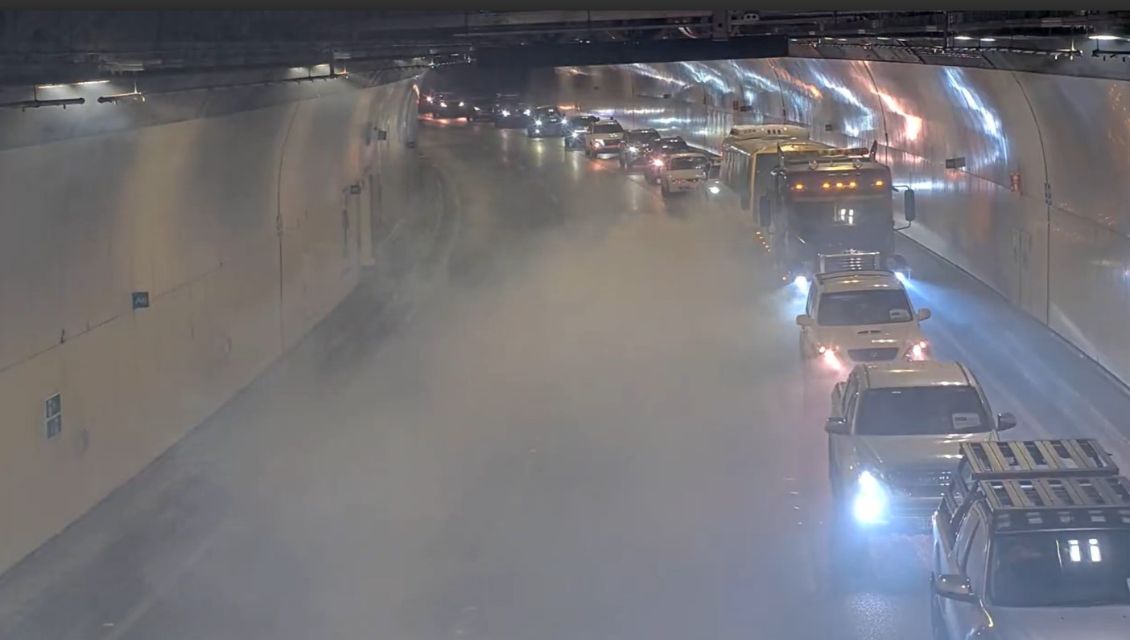
The Heysen Tunnels – for most of us the gateway to the Adelaide Hills – billowed with smoke last weekend as emergency service personnel swung into action to extinguish a burning bus.
"Passengers" and "drivers" in cars behind the bus were successfully evacuated as the misting system deployed.
The "smoke" was harmless vapour and the "passengers" and "drivers" were all volunteers, but the brand new remotely operated misting-based fire suppression system – installed as part of the recent tunnel upgrade – was doing bona fide work.
It works by quickly releasing a heavy mist of water in the tunnels to suppress a fire.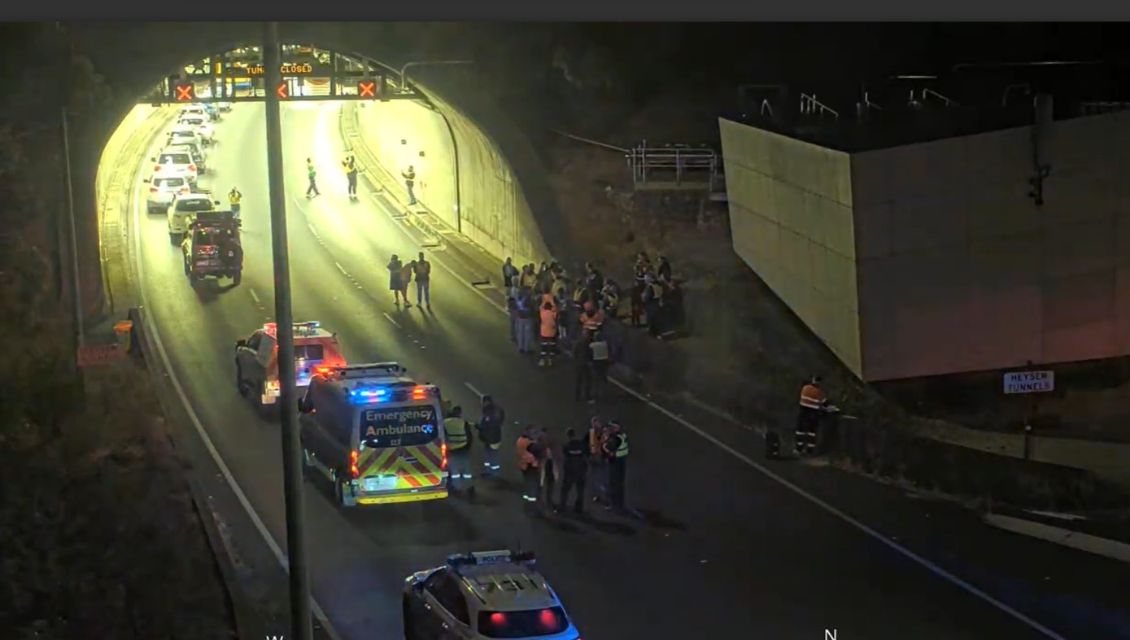
Misting systems operate more efficiently than traditional deluge systems, by suppressing any flames and cooling the area.
They also use significantly less water while covering a larger area.
The Federal and State governments committed $150 million to deliver the Heysen Tunnels Refit and Safety Upgrade, as part of the broader South Eastern Freeway Upgrade.
Major work was completed in late 2024, and saw new systems and equipment installed as part of an extensive refit.
Work undertaken as part of the refit included:
- upgrading the tunnel lighting system to a new LED configuration
- upgrading the tunnel ventilation system
- repairing the tunnel lining and installing monitoring equipment
- upgrading the Intelligent Transport System equipment, including thermal incident detection systems, new and replacement closed circuit television, lane use management signs, variable message signage and over height vehicle detection
- upgrading the traffic management system to restrict access to the tunnels in the event of an emergency incident
- upgrading the emergency communication systems, including public address, radio rebroadcast, in-tunnel signage and help phones to improve safety and network reliability.
The Heysen Tunnels first opened in March 2000 and provide a high-speed dual carriageway between Adelaide, the south-east of South Australia and the eastern states.
Although constructed to the highest standard at the time, Australian and international standards relating to road tunnel safety have developed significantly since then, so the upgrade has brought this important infrastructure up to current standards.
Simon Brederick, Senior Project Manager for the Department for Infrastructure and Transport, said he was pleased to see this important test completed successfully.
"Thankfully, there have only been a couple of fires reported in the tunnels’ 25 years history," Mr Brederick said.
"While we hope we won’t need to use the tunnels’ emergency management systems, in the event of an incident we are confident we have the best available equipment in place and ready.
"As we approach the tunnels’ quarter century of service, we know they are now well equipped to serve the community for generations to come.
"A big thank you to drivers for their patience, particularly while required traffic restrictions were in place during the refit works."