A dramatic rise in whooping cough cases in South Australia has led to a call for all pregnant women and infants to get vaccinated.
The disease has been on the rise across the country, and while SA hasn’t experienced an increase as severe as some other states there has nonetheless been a 13-fold increase in 2024, with numbers rising from 103 at this time last year to 1349 this year.
The last time the state experienced a whooping cough wave was in 2016 with approximately 1900 cases notified in that year.
Whooping cough is a highly contagious disease caused by a bacterial infection of the respiratory tract which can be spread to other people through coughing and sneezing.
The infection begins with cold-like symptoms and can lead to serious complications including pneumonia, middle ear infection, altered brain function or even death in very young infants.
While anyone can become infected and therefore able to pass on the infection to others, the greatest risk is to young infants.
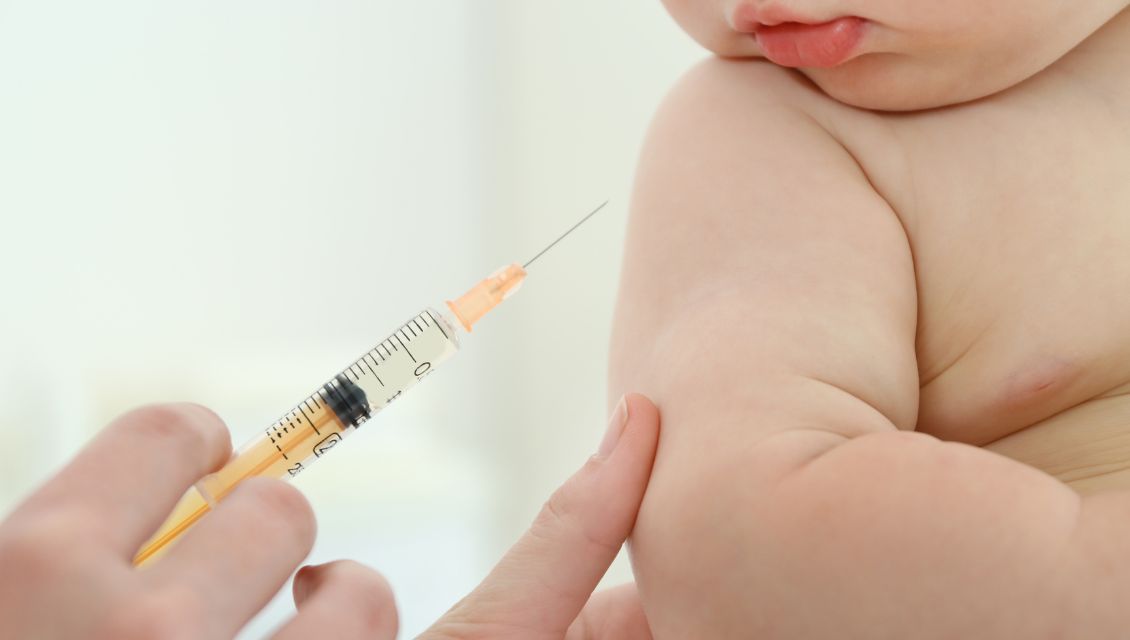
Fortunately, babies aged six weeks, four months and six months of age can receive a free whooping cough vaccination under the National Immunisation Program.
Boosters are then offered at 18 months, four years, and to year seven students as part of the school program.
Pregnant women are also offered a free vaccination between 20 and 32-weeks gestation which protects the newborn baby through passive transfer of protective antibodies until the baby is old enough to be vaccinated.
Outside of the funded programs, people who provide early childhood education and care for infants and young children aged under four years old are recommended to receive a whooping cough vaccine.
The same advice is recommended to healthcare workers due to the significant risk of passing the infection on to vulnerable patients.
Chief Public Health Officer Professor Nicola Spurrier said that the ongoing surge in cases was "alarming".
"The best protection against whooping cough is vaccination," Prof Spurrier said.
"If you are pregnant, you can get a free vaccination to help protect your baby, while little ones should also be kept up to date with their childhood immunisations.
"You should consider getting a booster if you are the parent, grandparent or loved one of an infant, or you work with young children, and if you are unsure of your immunisation status, speak to your doctor.
"It’s also important to maintain good respiratory hygiene to help reduce the spread of illnesses like whooping cough, by covering your nose and mouth when sneezing or coughing, disposing of used tissues, washing your hands and staying home from work or school if you are sick."
Increases in whooping cough cases are expected every four to five years due to waning levels of vaccine or naturally acquired immunity in the population.