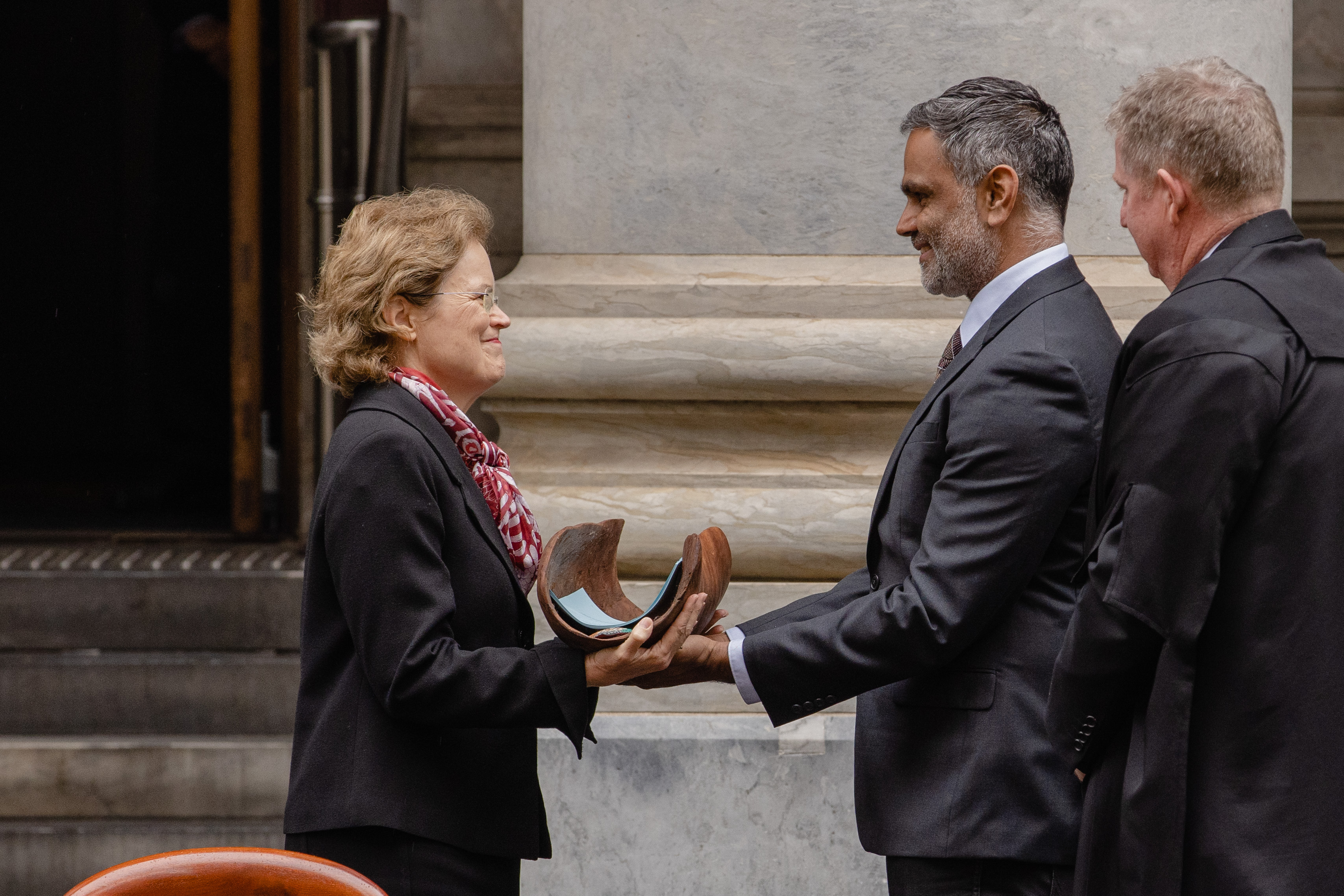
South Australia made history in late March when it established Australia's inaugural First Nations Voice to Parliament.
The historic passing of the First Nations Voice Bill 2023 paved the way for Aboriginal and Torres Strait Islander people to have a connected, direct and independent line of communication to the Parliament and the State Government of South Australia.
But just how will the First Nations Voice to Parliament work?
It will be made up of Local First Nations Voices and a statewide First Nations Voice consisting of multiple people representing the cultural and geographic diversity of the First Nations community.
Six regions will be established across the state and will each have their own Local First Nations Voice.
Members will be First Nations People, elected by other First Nations People, and will be able to speak about issues that concern their community.
Each Local First Nations Voice will appoint two presiding members - one female and one male - who together will form the state's First Nations Voice.
The SA First Nations Voice will be able to influence laws, policies and programs that affect First Nations communities, address the Parliament on particular bills of interest and speak to Ministers and chief executives of government departments.
It will also make an annual address to Parliament and provide reports to Parliament on matters of interest.
Too often, decisions have been made for First Nations people, and not with them. This can change that.
Those wishing to nominate to stand for a Local First Nations Voice will be able to do so in January 2024. There will be an initial election for Local Voice representatives on 16 March 2024.
If you are Aboriginal or Torres Strait Islander and living in South Australia, make sure you are on South Australia's electoral roll - this is an important step to take before the first election.