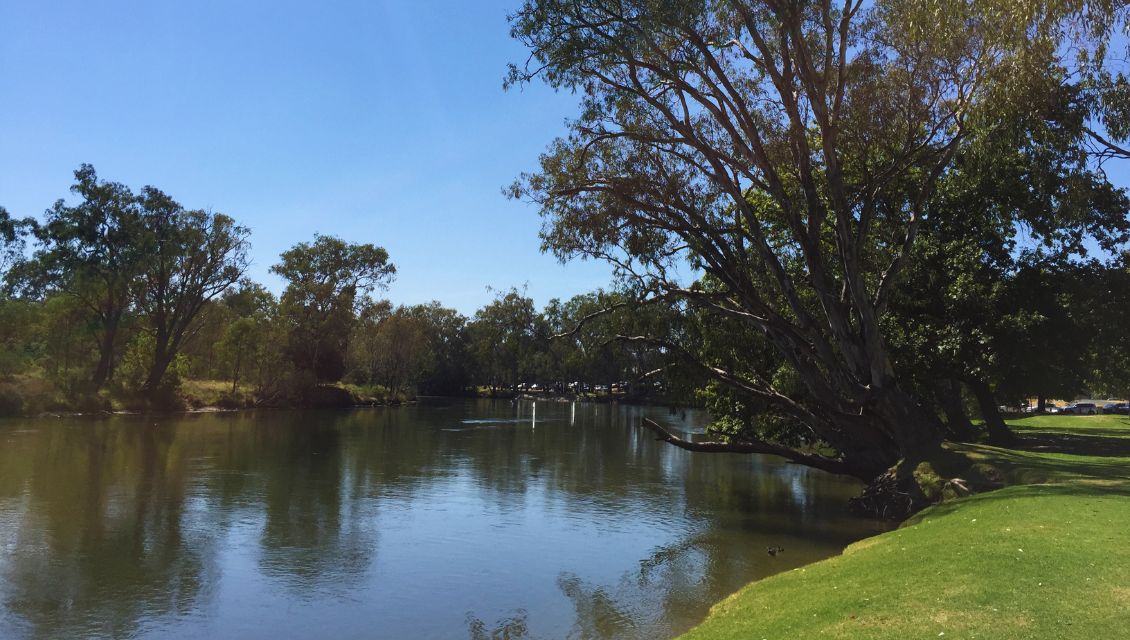
On Friday 4 August, the flow at the South Australian border was approximately 46 gigalitres a day. This was forecast to increase to around 50-55 gigalitres a day in late August 2023.
This has prompted the Department for Environment and Water (DEW) to issue a High Flow Advice for the river, noting that this is not a flood warning but rather an alert of a higher-than-average current.
During the once-in-a-century flood last summer, the river peaked at around 190 gigalitres a day.
While people are encouraged to still enjoy the River Murray, DEW has warned that submerged objects, debris and the force of the current can present a risk to public safety.
It has issued the following advice: “People operating watercraft, swimming, canoeing or participating in other activities on the main River Murray channel are advised to be aware of the risk of high flow, and take precautions to protect life and property.”
The following precautions are recommended:
- don’t drive, ride or walk through flood-affected causeways or roads
- be aware that significant debris is being carried downstream
- when operating a boat, be aware of submerged obstacles
- the hazards associated with riverbank collapse still exist in some areas so be aware of the signs
- always wear a personal flotation device on the river
- do not jump or dive into the water when you do not know what is below the surface
- supervise children at all times and do not allow them to play in or near fast-flowing water
- if in doubt, stay out.
For the latest, visit River Murray flows latest news and updates.
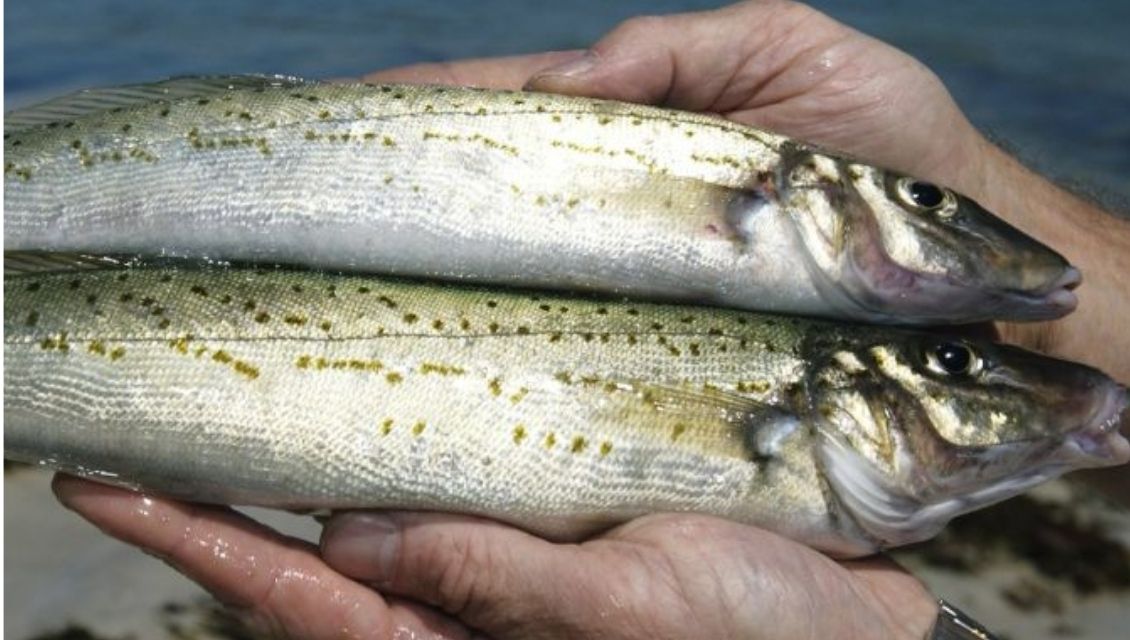
Meanwhile, a ban on catching and releasing Murray cod in the River Murray is now in play, until 31 December 2023. Taking Murray cod is prohibited at all times from the River Murray and Albert and Alexandrina lakes.
Fishers are not allowed to fish by trailing a baited line or trailing a lure through the water from a moving vessel until the ban is lifted, to protect the spawning stock.
Anyone caught doing so could face a penalty of up to $20,000.