When bushfires widely impacted parts of the Fleurieu Peninsula earlier this year, the immediate focus was, importantly, on protecting lives, homes, livelihoods and critical infrastructure.
Important threatened species habitats were also protected under difficult weather conditions and challenging terrain.
Now, as the landscape begins to settle and recover, with signs of natural regeneration in some areas, greater attention is turning to what the fires have meant for the region’s threatened plants, animals and ecological communities.
The Deep Creek and Nangkita-Tooperang fires burned through areas that support some of South Australia’s most threatened species and ecological communities, reshaping habitats and testing years of conservation work.
Early assessments, which began soon after the firegrounds became accessible, are revealing both the scale of the impact and the importance of native vegetation that was successfully protected by firefighters.
These early findings will help guide recovery actions to support these species and communities to survive and rebound in the months and years ahead.
Landscapes Hills and Fleurieu’s Regional Ecologist Luke Price provided some updates on the impact and recovery efforts.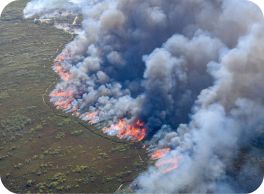
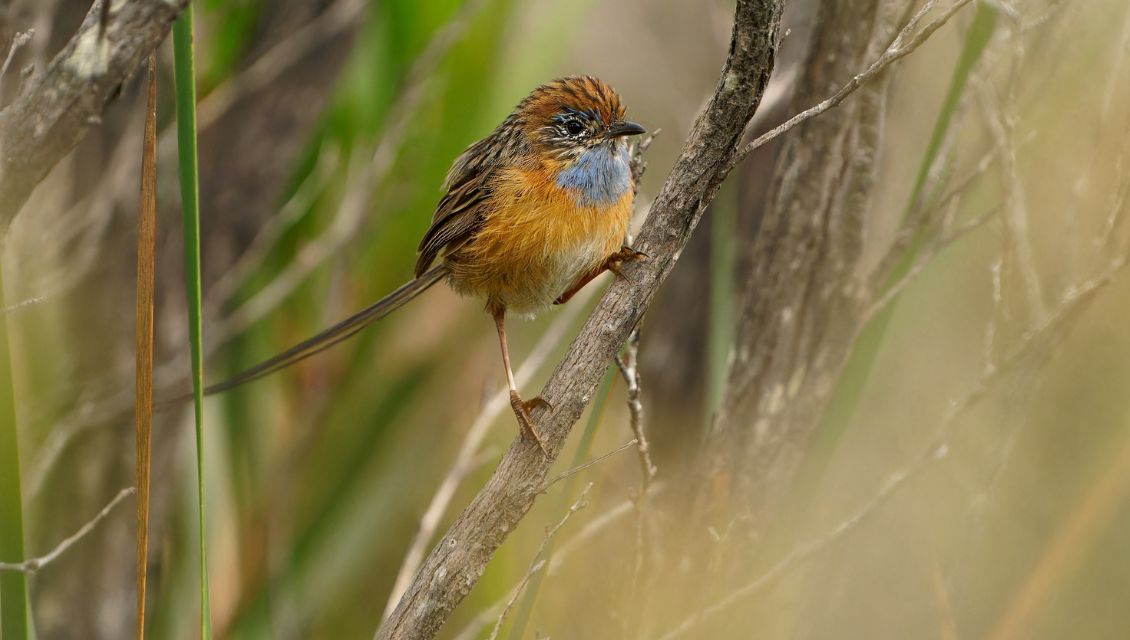
"Large areas of Fleurieu Swamp and several populations of threatened birds, mammals, plants, fish and invertebrates have been seriously affected by the fires," Mr Price said.
"We have begun on-ground works, including initial surveys, and are building a clearer picture of the ecological impacts, allowing us to plan recovery actions accordingly.
"We have some initial funding through the Landscape Priorities Fund and Department for Environment and Water (DEW) to commence targeted threatened species and ecological community recovery works and will continue to seek further funds in the coming years to continue this important work.
"We have also offered grants and support to private landholders to help manage the fire impacts and help the impacted systems bounce back. Works include erosion and sediment control, fencing to exclude herbivores, control of environmental weeds and revegetation to help replace weeds in areas where native regeneration hasn’t occurred."
Mr Price said Landscapes SA had worked closely with DEW, National Parks and Wildlife Service South Australia (NPWSSA), and the 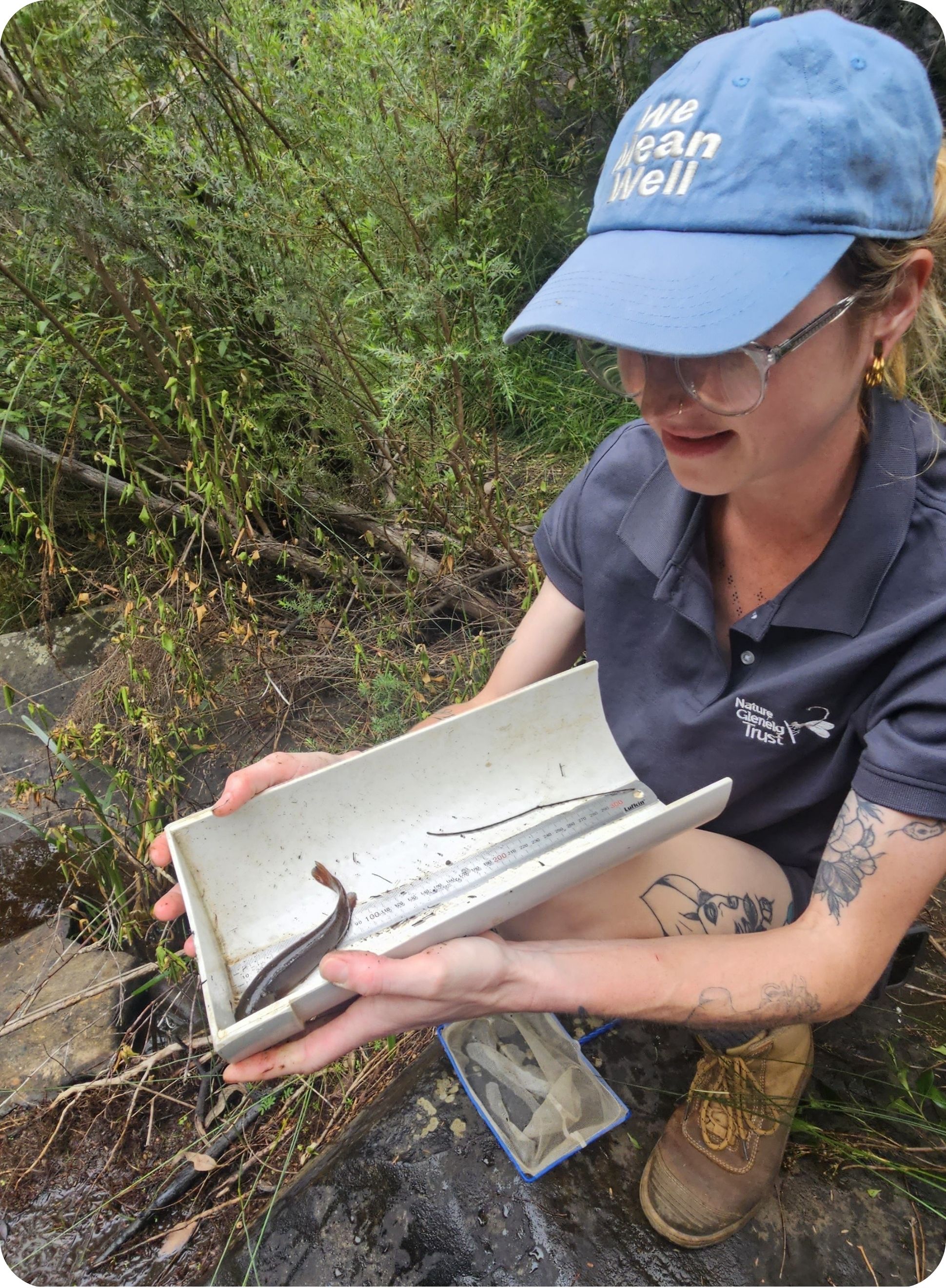 South Australian Seed Conservation Centre to undertake recovery actions.
"Some of the threatened plants, including orchids, affected by the fires have very low population sizes and may require additional support for recovery, so we’re fortunate to have the SA Seed Conservation Centre guiding this work," he said.
“Measuring the impact on fauna and flora takes time, and regular survey and monitoring data helps us better understand the required recovery actions. In some cases, initial survey work has been completed and while the fires have had serious consequences, early signs of persistence are beginning to emerge for some species."
Mr Price said there were encouraging signs that the golden-haired sedge skipper, a very rare butterfly, considered a high priority for conservation by leading experts, had persisted at one unburnt site.
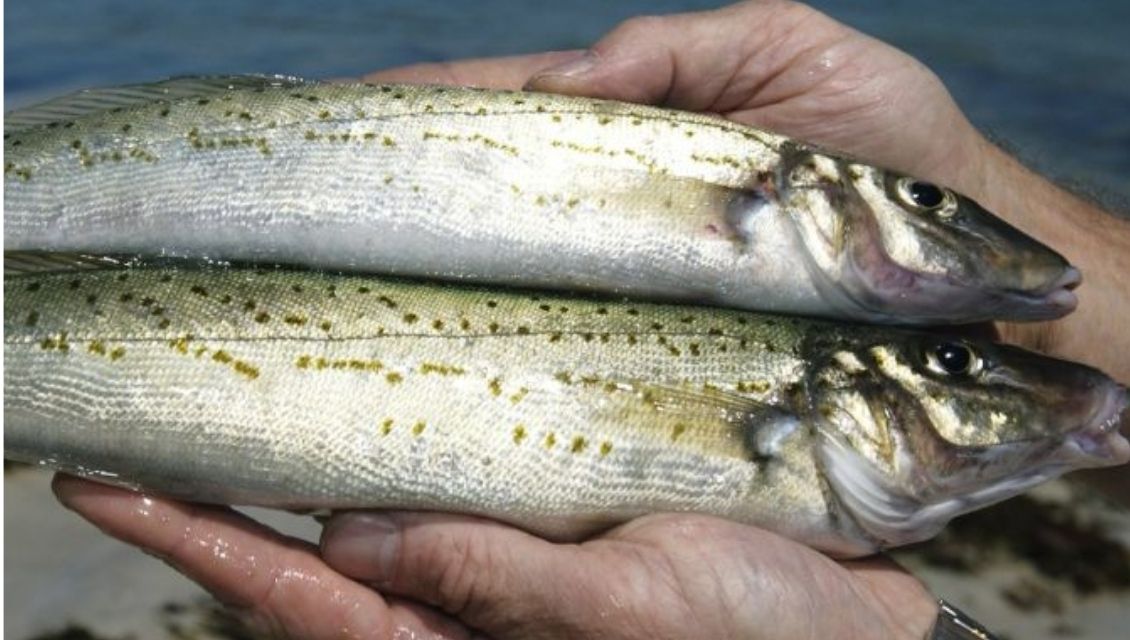
He also said that initial surveys undertaken by Nature Glenelg Trust indicated that poor water quality had seen a decline in vulnerable populations of climbing galaxias and other small-bodied fish species, however a small population (12 individuals) of climbing galaxias was found at one isolated site, and a single individual at another, which was promising.
"Ongoing surveys will help us determine required recovery efforts,” Mr Price said.
"We are grateful to the SA Country Fire Service, DEW, NPWSSA and farm firefighters for their extraordinary efforts to tackle the fires and protect many sites of ecological value.
"We have a lot of work ahead of us to manage the impacted ecosystems and species towards recovery but have a fantastic team of passionate people, land holders and organisations to give us the best chance of recovery and, given how local communities are already supporting each other, we remain optimistic about the path ahead.”
To find out more about the work being carried out by Landscape South Australia around the state visit the website.