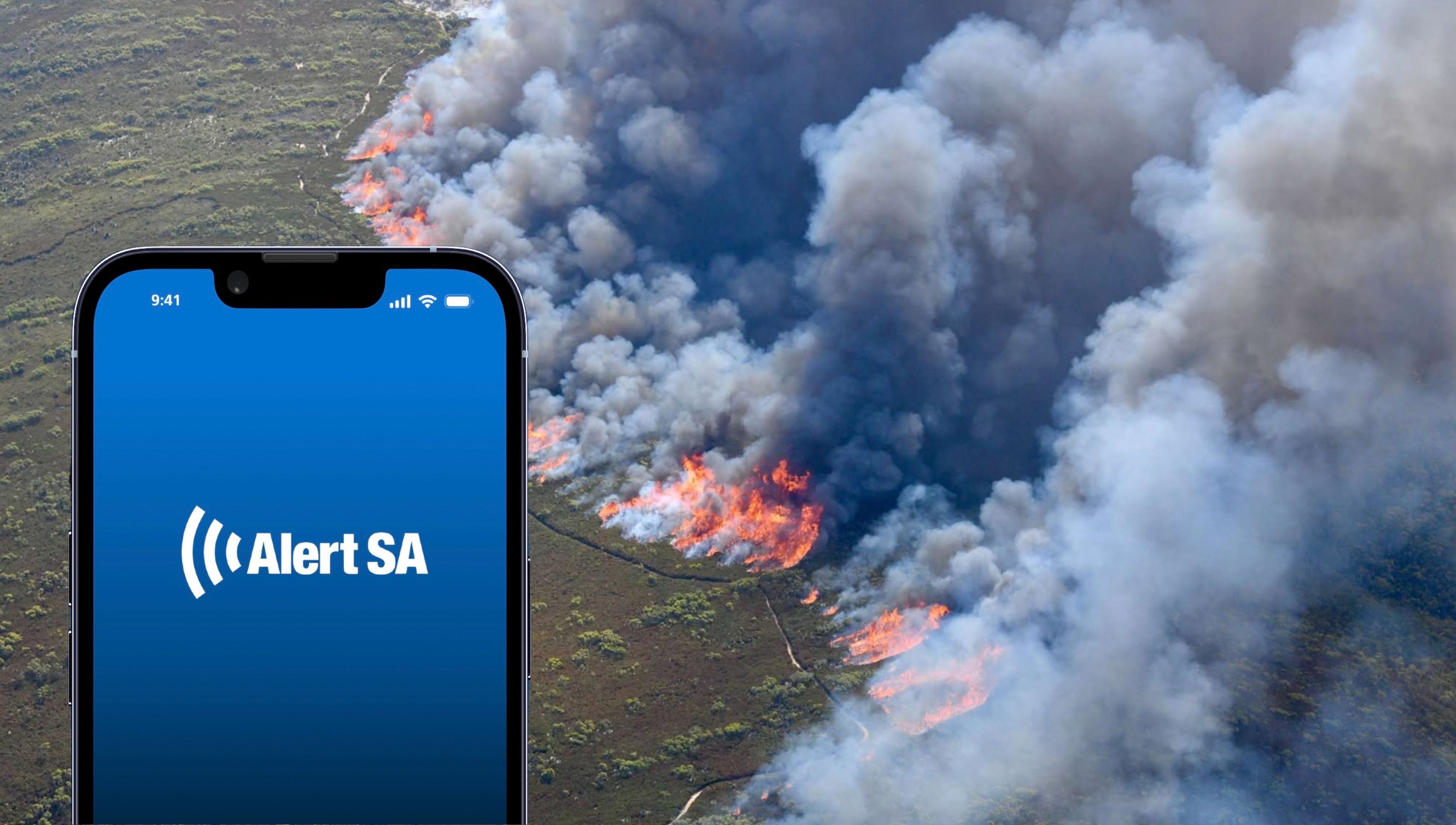
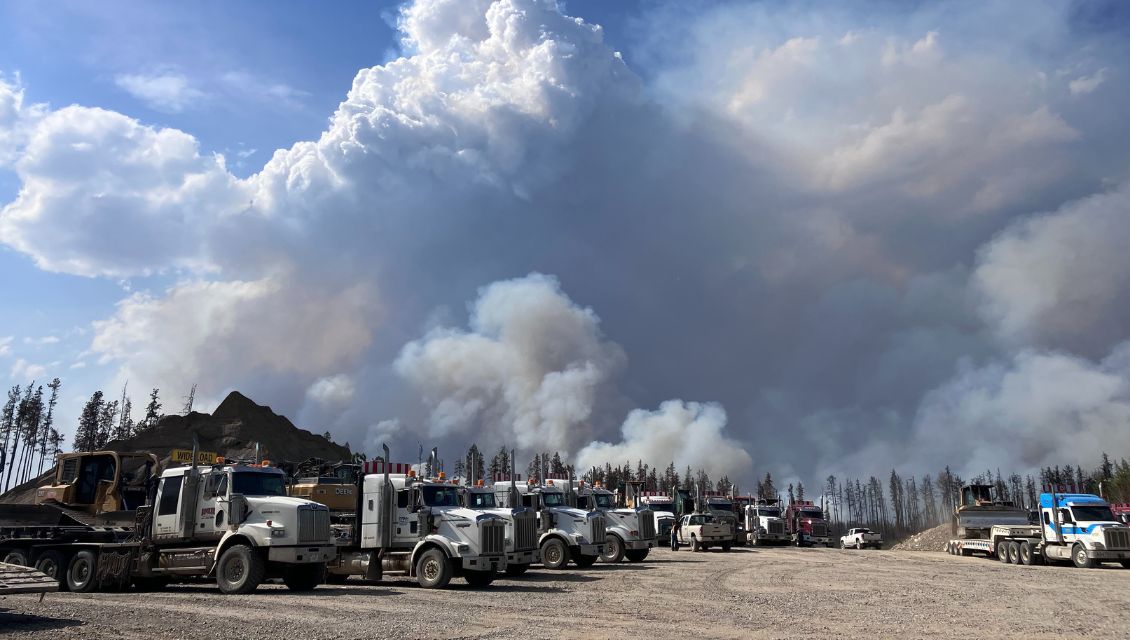
Firefighters from the Country Fire Service (CFS) and National Parks and Wildlife Service (NPWS) have been deployed to Canada to help fight the blazes, which have already burned more than 10 million hectares of land.
CFS Regional Services and Operations Director Scott Turner said providing support to international firefighting efforts was proof of the professionalism of the organisation's volunteers.
"This is not the first time the CFS has deployed volunteer firefighters to Canada and is a testament to our volunteers' skills and abilities that we are able to deploy them at such short notice, both locally and internationally," Mr Turner said.
"Our highly skilled and well-trained volunteers are always ready to respond, whether that be to fires in our own backyard or overseas.
"It is an honour for Australian personnel to deploy to Canada. Fires know no boundaries and our firefighters are pleased to respond across borders to help."
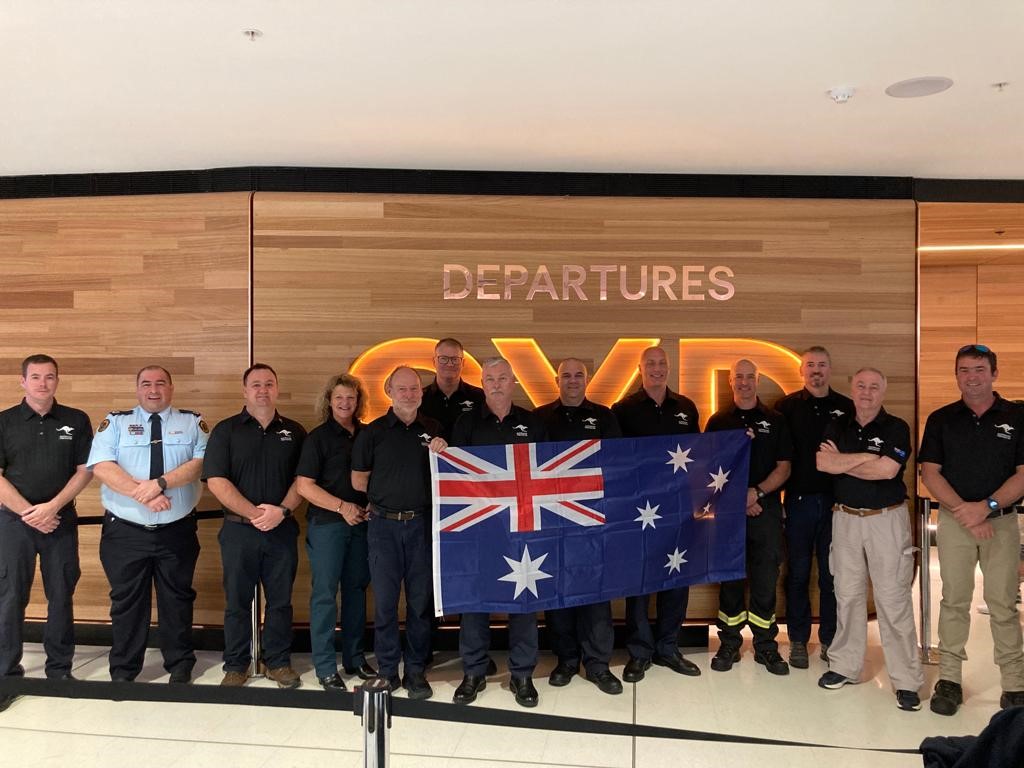 Phil Sims, a Fire Operations Officer Limestone Coast, was among the first South Australians deployed to Canada.
After arriving in late May, Mr Sims (pictured far right) worked as a plant operations manager, supervising heavy machinery in the bushfire fight - Canada's worst on record.
“The experience was amazing but very challenging at the same time, working with a variety of heavy machinery in an unfamiliar environment," he said upon returning home.
“I was posted to the Pembina complex which was in the Edson area of Alberta. The terrain was quite undulating and swampy in areas which made it challenging for machinery.
“The influence of the Rocky Mountains made for changeable weather, there were often thunderstorms, and the sun didn’t set until 11pm."
Mr Sims said there initially four or five fires in the complex but they quickly joined together with a total size of around 307,000 hectares.
“Across this area there was over 700km of Dozer guard (control line), though in some areas all that could be done was push the trees over and walk on top of them due to the swampy nature of the ground," he said.
“While not making a typical control line, this at least gave some access to the fire edge and changed the fuel arrangement.
"Nearly all the operators I worked with had stories of machines completely disappearing in swamps and some never to be found again.”
South Australia's involvement in international firefighting deployments is through the Australasian Fire Authorities Council National Resource Sharing Centre, which coordinates resource requests from fire and emergency service agencies.
So far, 30 South Australian personnel have been deployed to Canada.
CFS State Officer James Honner said Canada's wildfires coinciding with South Australia's winter meant more local crews could be released, with five further deployments over the past three months.
"The advantage we had over winter is that we didn’t require a large bushfire commitment, so we’ve been able to release quite a number of crews," Mr Honner said.
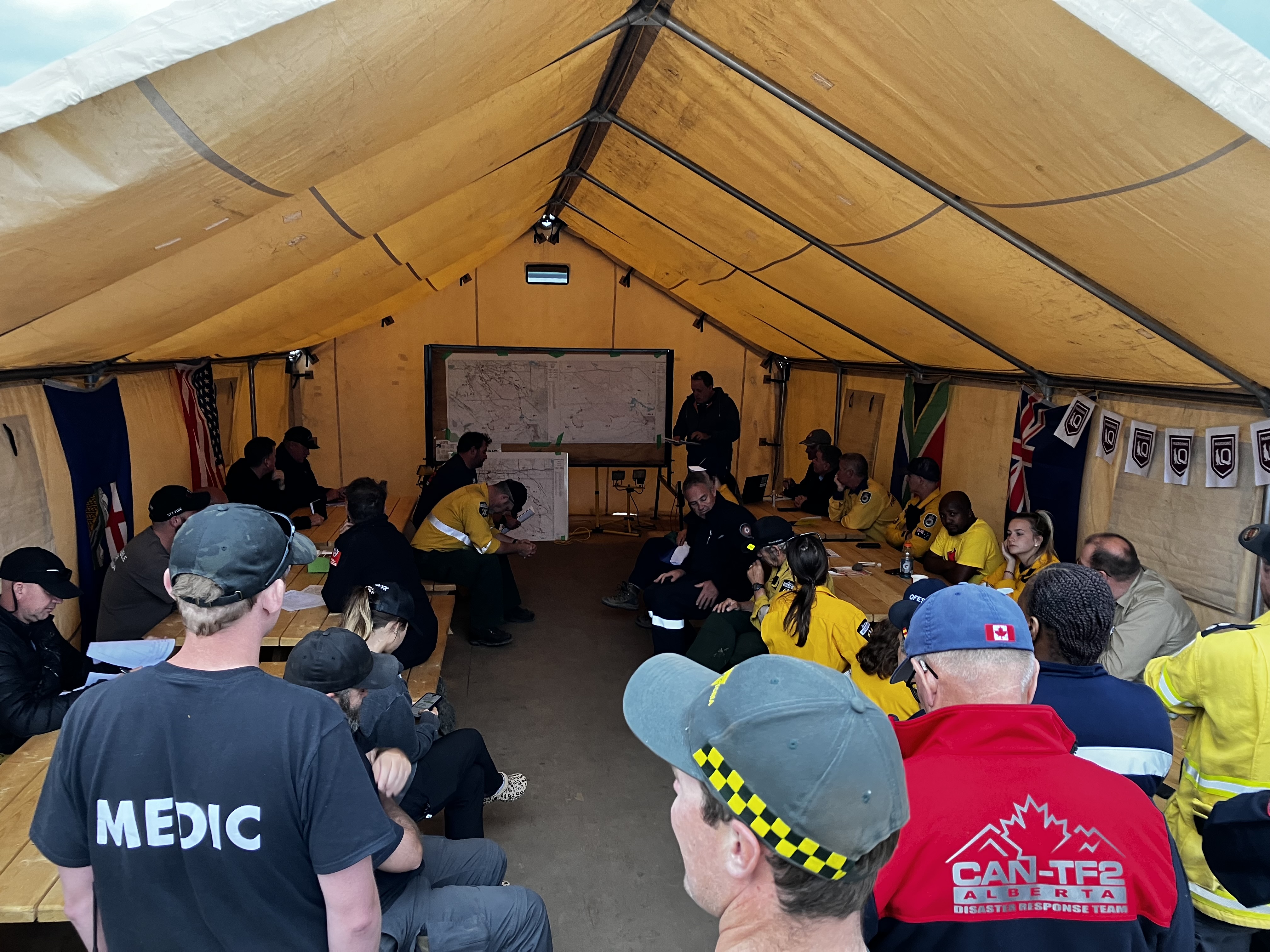 Not only do the crews contribute to the firefighting efforts, but there are also opportunities to build camaraderie with international forces and learn different techniques.
"Deployments very quickly turn into a very strong international camaraderie with firefighting teams," Mr Honner said.
"The current crews that have been in Canada have been exposed for the first time to firefighters from countries like South Korea and South Africa and they have forged amazing bonds with those crews there.
"It’s also worth noting that in different countries you see different fuel types, different terrain, so we take our core firefighting skills and adapt them to new environments."
He said while South Australian firefighters were willing to support their international counterparts, it was possible that the efforts may one day need to be reciprocated.