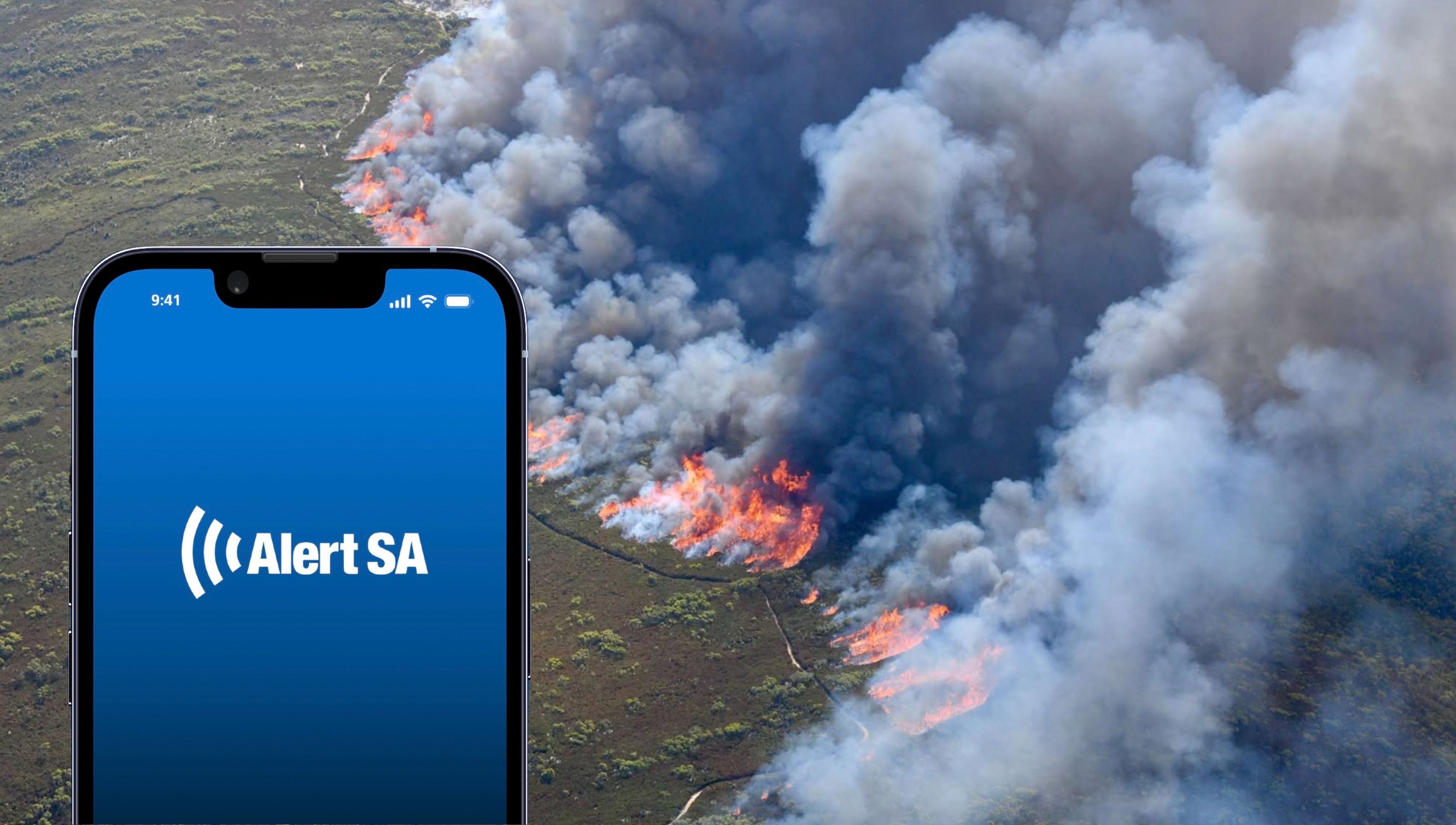
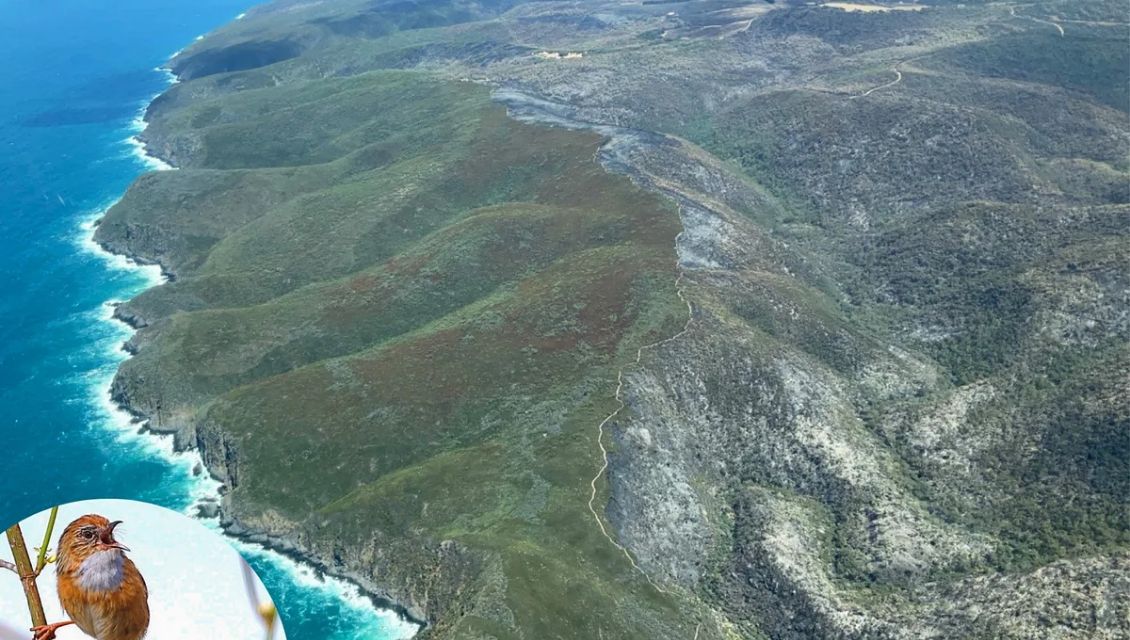
More than 4500ha of land was burnt in the Deep Creek fire, including 98 per cent of neighbouring Talisker Conservation Park.
But the good news is about 60 per cent of Deep Creek National Park remains intact, thanks to the tireless work of local and interstate fire crews including CFS, MFS and National Parks and Wildlife Service brigade members.
As more of the park is gradually reopened, visitors will be able to return to favourite untouched areas and also witness the way the burnt landscape naturally regenerates.
Deep Creek National Park is one of five South Australian coastal parks where the vehicle entry fee is waived until the end of Easter, Monday 6 April 2026.
What do visitors love about Deep Creek National Park?
Located about 100km south of Adelaide, this park is a perfect destination for a day trip,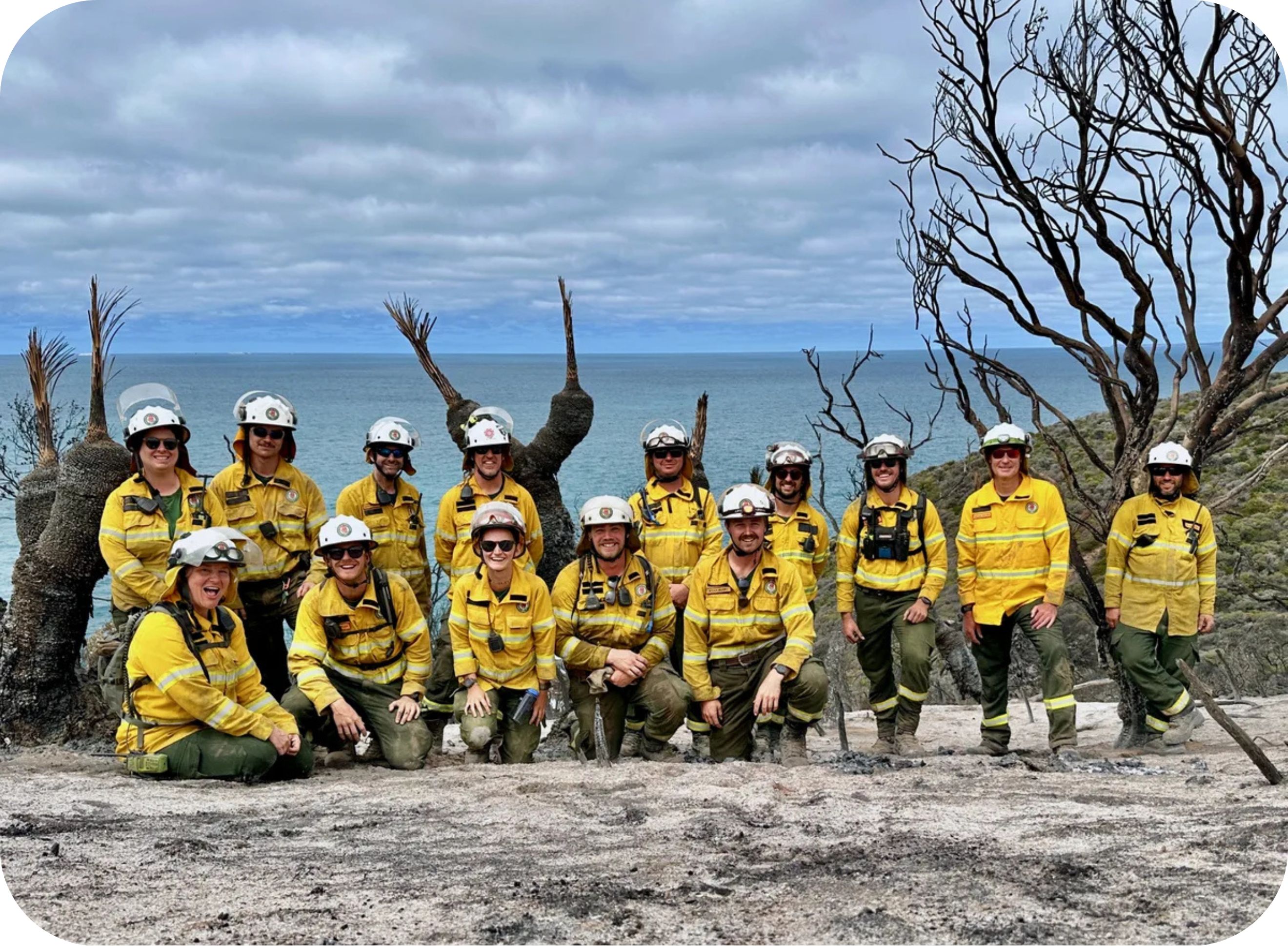 weekend getaway or longer. Deep Creek National Park contains the largest portion of remaining natural vegetation on the Fleurieu Peninsula.
Not only is it a beloved spot for city dwellers to escape to nature, but it provides important habitat for native wildlife such as the western grey kangaroo, short beaked echidna, southern brown bandicoot and bearded dragon.
With more than 400 species of native plants, wildflowers are a drawcard in spring, and 100 species of birds make the park a magnet for bird-spotters.
Whales can be seen cruising the coast during their annual migration, from June to October.
Five campgrounds are dotted throughout the park with four of them accessible by 2WD vehicles. The other campground is hike-in only, situated on the popular Heysen trail.
Be aware: Some areas of the park are impacted
At time of writing, most campgrounds and walking trails within Deep Creek National Park are still closed. Fire crews are still actively patrolling and working within the fireground.
Most public roads in the area have been reopened but anyone in the vicinity is reminded to remain alert for ongoing hazards. These include reduced visibility from smoke, falling branches and trees, and livestock or wildlife wandering onto roads due to damaged fences and habitat.
Motorists are urged to take extra care, drive to conditions and also be aware of emergency services vehicles and personnel who may be on or near roads.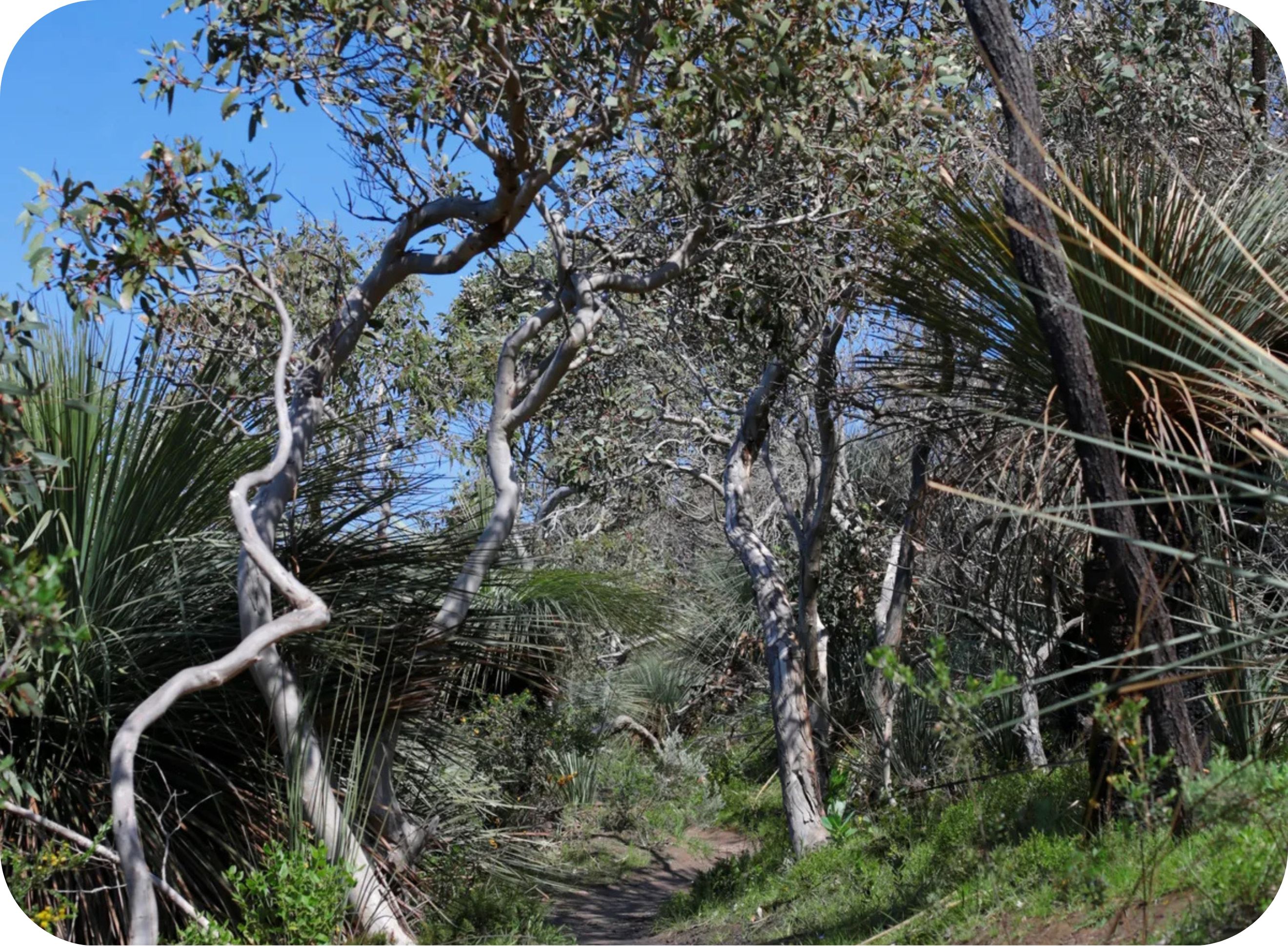
The silver lining of the fire event is, over the coming weeks and months, visitors will have a rare chance to witness a fire-affected landscape regenerating.
Most Australian ecosystems have evolved with fire, and some native plant seeds are actually triggered by fire to begin germination. It won’t be long before the park begins showing signs of new life.
What’s open for visitors
As of Wednesday 18 February 2026, the following was open:
- Campgrounds and accommodation: Stringybark Campground, Glenburn Cottage, Ridgetop Retreats and Deep Creek Homestead. For those concerned about Goondooloo Cottage, you'll be glad to know it is intact, however there has been damage to a shed and surrounding infrastructure so it will remain closed until further notice.
- Walking trails: Forest Circuit Walk, Stringybark Loop Walk, walking track from Boat Harbor Beach carpark to the beach.
- Park roads and management tracks: Tappanappa Road through to Deep Creek Homestead, the 4WD track towards Boat Harbor Beach, Boat Harbor Beach carpark.
Plan ahead for a great Easter visit
Deep Creek National Park is a popular destination during long weekends, and with areas reopening, demand will be high. Most campsites will book out ahead of the long weekend, but you can check online for last-minute spots and book at parks.sa.gov.au
Useful links
- The Deep Creek National Park web page for the latest information about park conditions and reopening.
- The CFS website for the latest fire updates.
- Traffic SA website for the latest on road closures and traffic conditions.
This article first appeared of the Good Living blog and has been reproduced here with permission.
MORE STORIES LIKE THIS