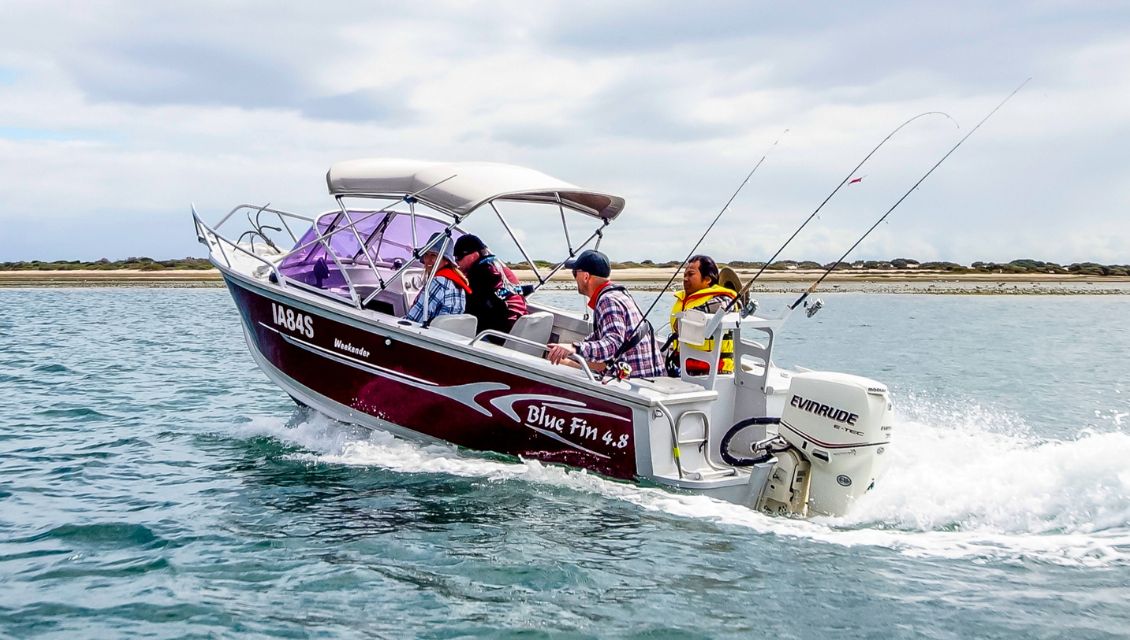
South Australian boaties now have their chance to help make the state’s waters safer with consultation now open to help finalise the development of the first-ever South Australian Recreational Boating Safety Strategy.
The South Australian Recreational Boating Safety Strategy Priority Areas paper has now been released, informed by feedback from the community and interested organisations.
The paper details five priority areas and measures to improve recreational boating safety across our coastline and waterways:
- increasing boating safety education opportunities for young people, boaters and retailers
- using technology to improve boating safety
- reviewing requirements for lifejacket wear and safety equipment to make it simpler and safer for all
- boat licence reform to encourage safer operation and knowledge
- supporting and enforcing safer boater behaviours.
Feedback on these priorities will help shape the final strategy, which will be a practical five-year plan that sets out to achieve the state government’s commitment of zero fatalities for recreational boaters.
It aims to reduce near misses, accidents and fatalities on South Australian waters involving boaters, jet ski riders, paddleboarders and other watercraft users.
WHY DO WE NEED THE STRATEGY?
Over the 20 years to June 2022, 69 people lost their lives to boating-related drownings on South Australian waterways while using powered and non-powered watercraft.
Marine Safety Officers checked about 12,000 vessels between March 2020 and March 2023, and about 40 per cent were not compliant with equipment and vessel requirements.
HOW TO HAVE YOUR SAY
South Australians can have their say on the five priorities and proposed measures by:
- reading the What We Heard report
- reading the South Australian Recreational Boating Priority Areas paper
- completing the SA Recreational Boating Safety Strategy Survey by 5pm on Friday 6 September, 2024.
All feedback will be reviewed and considered to inform the final strategy, which is expected to be released by the end of 2024.
This article was prepared by the Department for Infrastructure and Transport and is reproduced here with permission.