
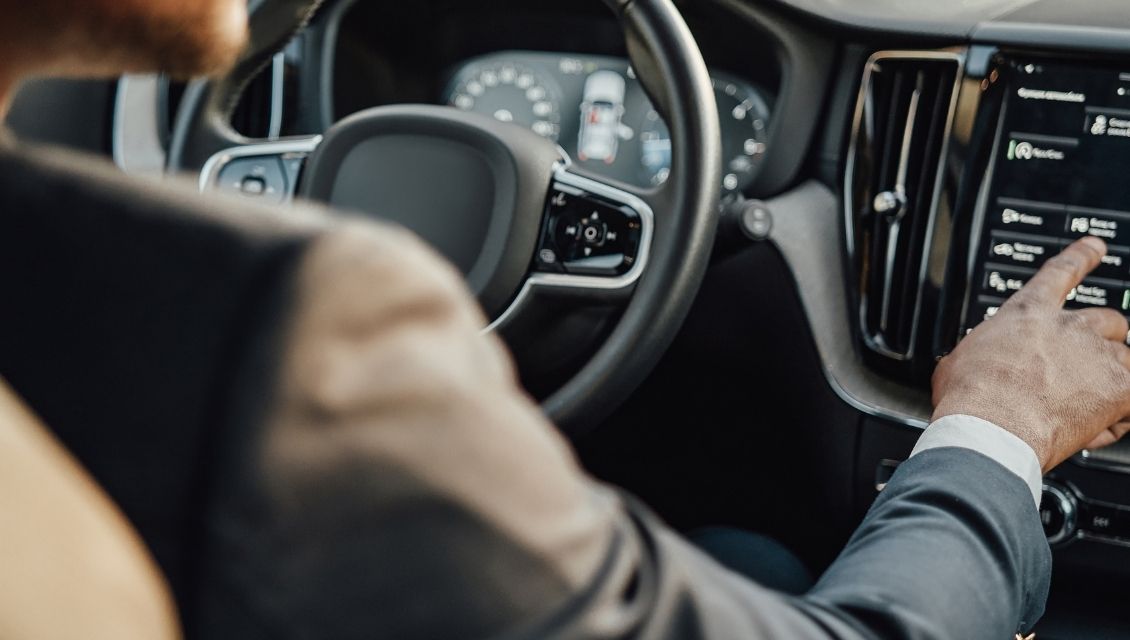
Many modern vehicles have built‑in safety technology designed to help you avoid crashes or reduce how serious they can be.
These are commonly called 'driver assist technologies', Advanced Driver Assistance Systems (ADAS), or 'active safety systems'.
Driver assist technologies use sensors and cameras to help drivers avoid danger by warning of potential hazards. In some cases, they can automatically brake or steer your car.
These features don’t replace the driver. They are there to support you, especially when mistakes happen or conditions change suddenly.
The Department for Infrastructure and Transport has launched a new awareness campaign to improve understanding of what these systems do, how to use them correctly, and why they should be left on.
Director for Road Safety Policy and Reform Sarah Clark said ADAS technology was "almost an extra set of eyes on the road".
“I think some people don’t know how to use them and, anecdotally, some people do turn them off,” she said.
“The technology is there to help with the driving task. It’s an extra tool to help people stay safe.”
Research indicates ADAS technologies can make a substantial difference to road safety outcomes.
“If people have this technology in their cars and they have it switched on, it can reduce the risk of a crash by 25 to 30 per cent,” Ms Clark said.
The key technologies include:
- lane keeping assist, which helps you avoid drifting off the road and into danger
- automatic emergency braking, which can automatically apply the brakes if a crash risk is detected
- electronic stability control, which helps maintain control in challenging driving conditions.
Many vehicles also include other features, such as adaptive cruise control, blind spot monitoring, intelligent speed assistance and driver monitoring systems.
To get the most out of these technologies and make every trip safer, drivers are encouraged to:
- find out if their car has these technologies
- understand how these systems work
- check their vehicle settings
- become familiar with alerts and limitations.
Find out more by visiting the THINK! Road Safety website.
MORE STORIES LIKE THIS