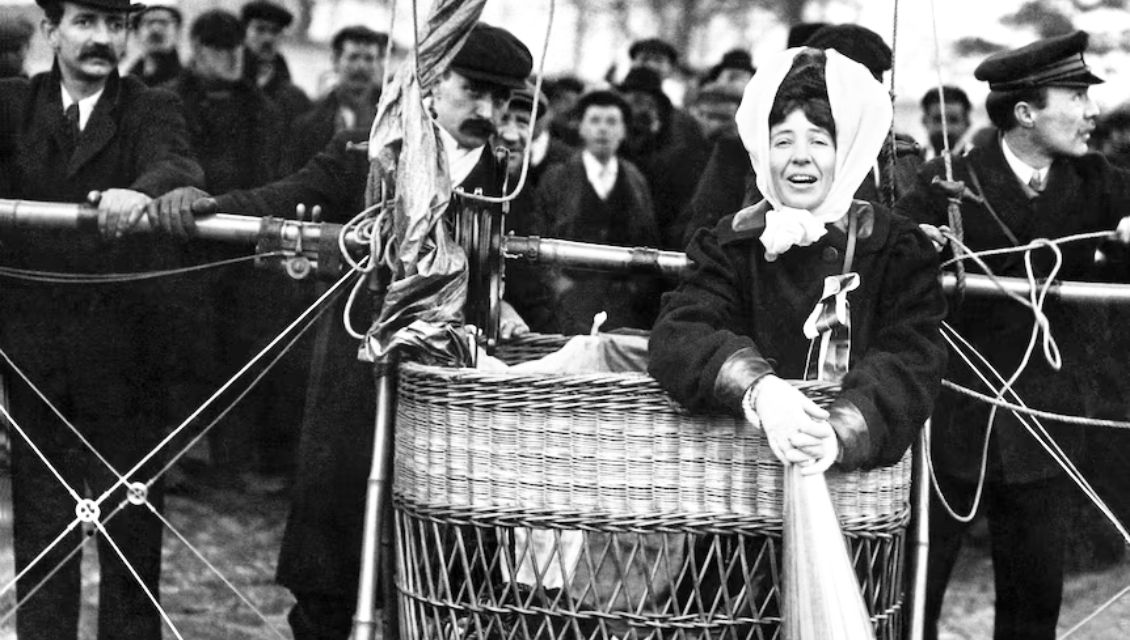
On November 12, 1877, Muriel Lilah Matters was born the third of seven children in the inner-western Adelaide suburb of Bowden.
The daughter of an agricultural agent and councillor on the Port Augusta Council, young Muriel lived in many locations around the still relatively young colony of South Australia.
She studied music at the University of Adelaide before travelling the country as an actor and musician. She relocated to Perth with her family in 1904 and, in the following year, moved to London to pursue her dreams of a career on the stage.
But despite her talents, it wasn’t acting or music that ensured Muriel would still be spoken of in 2025. It was her unwavering commitment to ensuring that women in the UK were granted the right to vote.
Muriel’s most famous act of protest came when she and fellow protestor Helen Fox chained themselves to a metal grille at the British Houses of Parliament to raise awareness of their struggle.
Chaos ensued as another protestor lowered a proclamation to the politicians below on a piece of string and yet another threw handbills onto the floor.
Muriel and Helen were taken away with the grille – which existed explicitly to obscure women’s view of parliamentary proceding – attached, and were eventually removed thanks to the work of a blacksmith.
The famous protest was just one of many Muriel and her Women’s Freedom League associates engaged in – she even took to the skies in an airship emblazoned with the slogan VOTES FOR WOMEN – and she was recognised in the UK as a key player in the push to allow women to vote.
It was a push that was ultimately successful with women over 30 earning the right in 1918, all women over 21 allowed to cast a ballot in 1928.
She was much less well known, however, in her home state of South Australia, perhaps ironically as SA is widely recognised as being the first place in the world to grant women both the right to vote and to stand for parliament in 1894.
Hard work by the likes of former South Australian politician Frances Bedford – who established the Muriel Matters Society – has helped to rectify this situation, and the story of Muriel Matters and her important work is now much more widely known.
And South Australians can see an incredible piece of Muriel Matters history inside our own Parliament House, where a piece of the famous grill is on display in Centre Hall.
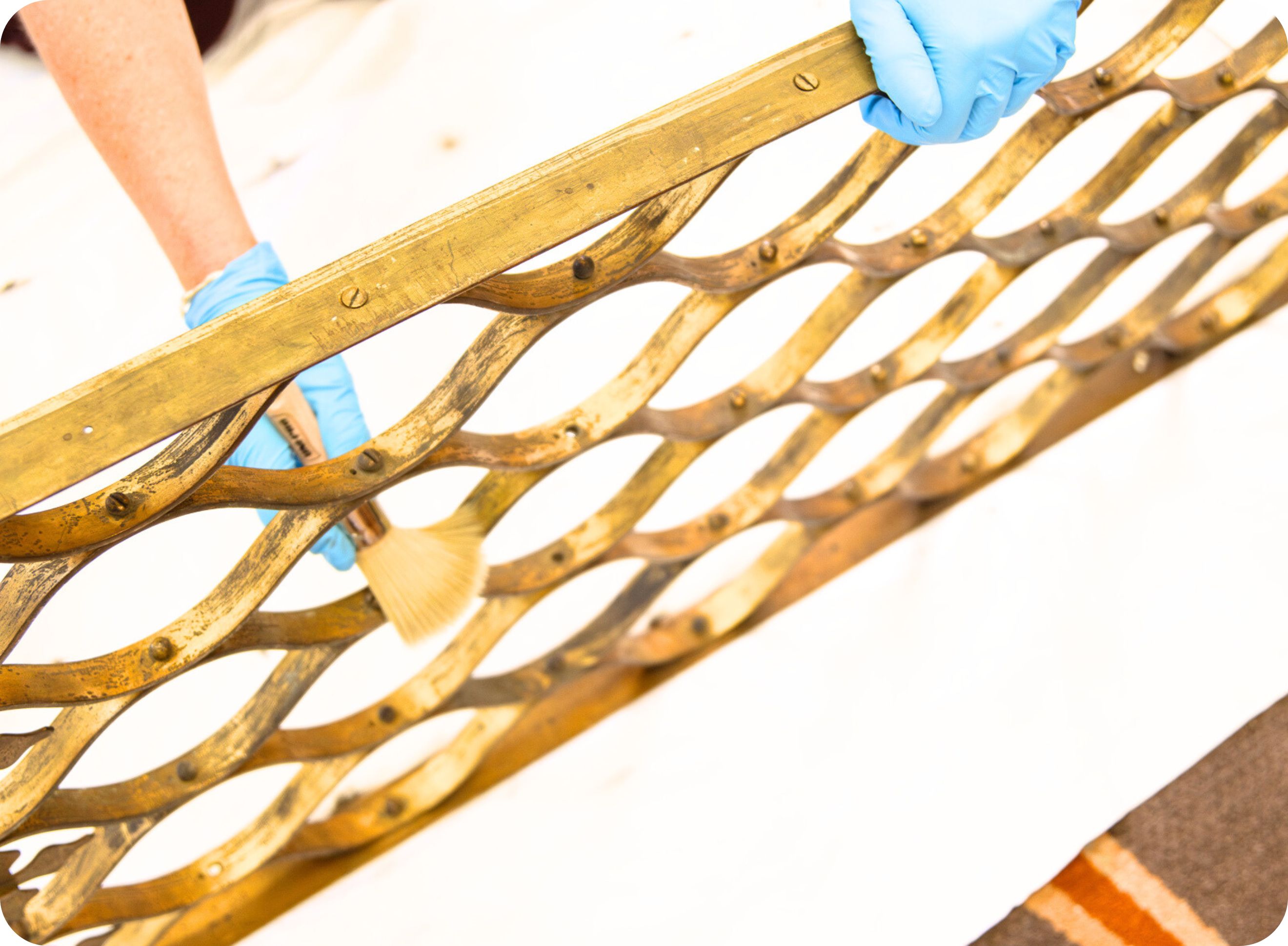 The grille has just been given a special clean by Artlab Australia, and can be viewed by the public through a tour 10am or 2pm each weekday until 24 December.
Parliament House also this week marked the 131st anniversary since South Australia made history with landmark legislation granting women the right to vote in general elections and stand as Members of Parliament by rolling out a reproduction of the 1894 Women’s Suffrage petition.
Measuring an incredible 101m in length, it wraps around half of level 1 in Parliament House and was signed by 10,600 South Australians.
You can learn more about the petition – and even search for your ancestors’ names – at this website (external site).