Two Māori wooden carvings from the South Australian Museum’s World Cultures collection have been repatriated to Aotearoa (New Zealand).
The pou, or carved wall panels, were returned after a special farewell ceremony - or poroporoaki - at the museum involving both the Māori and Kaurna Elders.
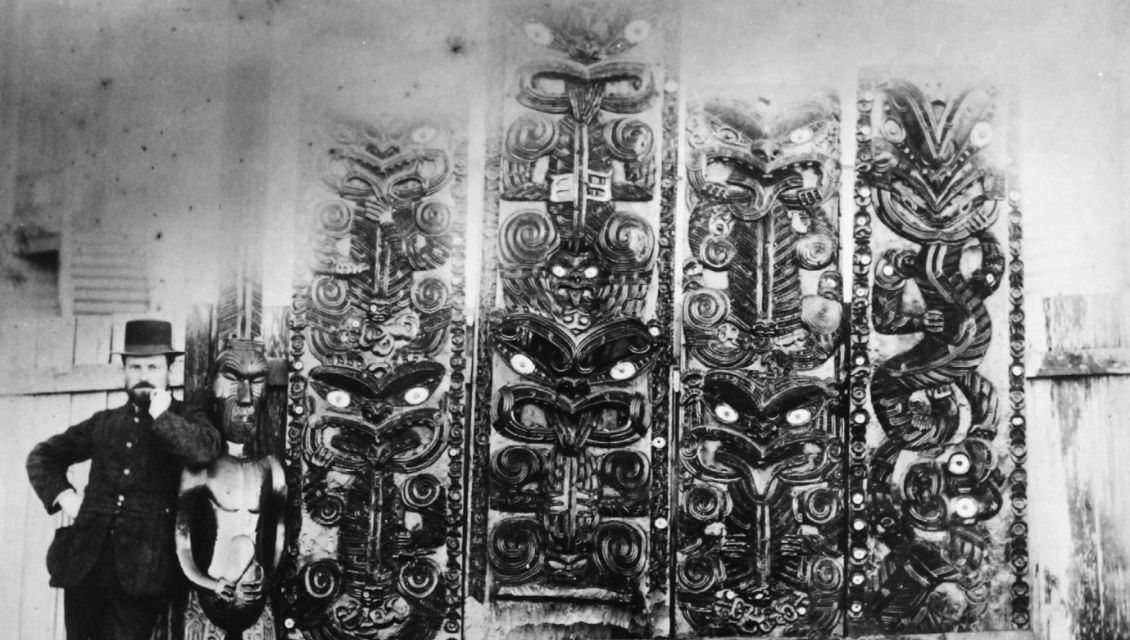
The carvings are considered living representations of the ancestors and were originally carv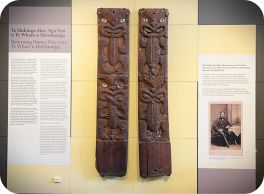 ed to line a meeting house - or wharenui - near Hastings on the east coast of the North Island.
They are being returned to the community through the Tamatea Pōkai Whenua Trust of the Heretaunga Tamatea district of Hastings and Central Hawke’s Bay.
The two pou at the South Australian Museum are part of a set of about 60 pou originally carved for Te Whare o Heretaunga and dispersed across institutions around the world including the Smithsonian in Washington DC and the University of California.
Seven institutions in Aotearoa (New Zealand) also hold the pou.
The South Australian Museum is the first museum outside of Aotearoa to endorse return of Te Whare o Heretaunga pou. TPW is negotiating with museums all around the world to bring the rest of the pou back to their ancestral home.
Many of the pou sat disassociated from their provenance in the various collections before the repatriation effort was started by members of the Māori community and descendants of Karaitiana Takamoana (pictured), the local chief and parliamentarian who commissioned them along with the wharenui in the 1870s.
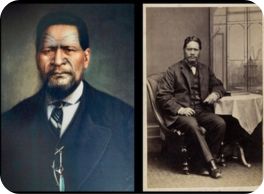 When Karaitiana Takamoana died suddenly in 1879, completion of the whare was abandoned.
The pou were subsequently acquired and shipped from Heretaunga to Dunedin and displayed in the 1889/90 New Zealand and South Seas Exhibition.
Following the exhibition, the pou were bought by Thomas Hocken, who sent many to the Otago Museum and reserved two for the Adelaide Museum. The two pou arrived in Adelaide in January 1891.
For more information on the South Australian Museum’s repatriation practice visit the South Australian Museum.
MORE STORIES LIKE THIS