

It’s the somewhat unlikely tale of a monkey-masked young man fighting – quite literally – for his livelihood and revenge.
Monkey Man – Dev Patel’s directorial debut – is an action movie that incorporates elements of Indian mythology and spirituality with sociopolitical commentary, and it’s earned the British actor and director rave reviews.
“All the blood, sweat and physical toll that the shooting has taken on Patel are felt here, both metaphorically and literally. He's in every molecule of Monkey Man,” critic Akos Peterbencze wrote in The Screen, while Tom Shone of the Sunday Times said the film has “all the rush of Drive or Uncut Gems”.
However, a lesser-known aspect of the film – most of which was filmed on the Indonesian island of Batam and counts horror genre royalty Jordan Peele as a producer – is the key role played by South Australia’s deep well of film talent.
South Australian Tilda Cobham Hervey is Monkey Man’s co-producer, with SA PDV (Post, Digital and Visual Effects) company Artisan Post Group (APG) providing post-sound and editorial support, working from the South Australian Film Corporation’s Adelaide Studios and Lot Fourteen.
Anton Andreacchio and Michael Darren of APG are credited as Post Producer and Supervising Sound editor respectively, leading a team that included SA sound practitioners Leah McKeown, Hamish Keen, Pete Smith, Tom Heuzenroeder, Duncan Campbell, Adrian Medhurst, John Simpson and Effie Pashidis and SA post-production practitioner Carlo Andreacchio.
SA practitioner Jack Smith was associate editor, working closely with Patel in Adelaide, London and Los Angeles, with SA creatives Cleland Jones, as an additional editor, and David Birrell serving as a Post-Production Supervisor.
Chatting over a coffee at Lot Fourteen, Anton Andreacchio said his Artisan Post Group played many roles in helping to take Monkey Man from concept to reality.
“W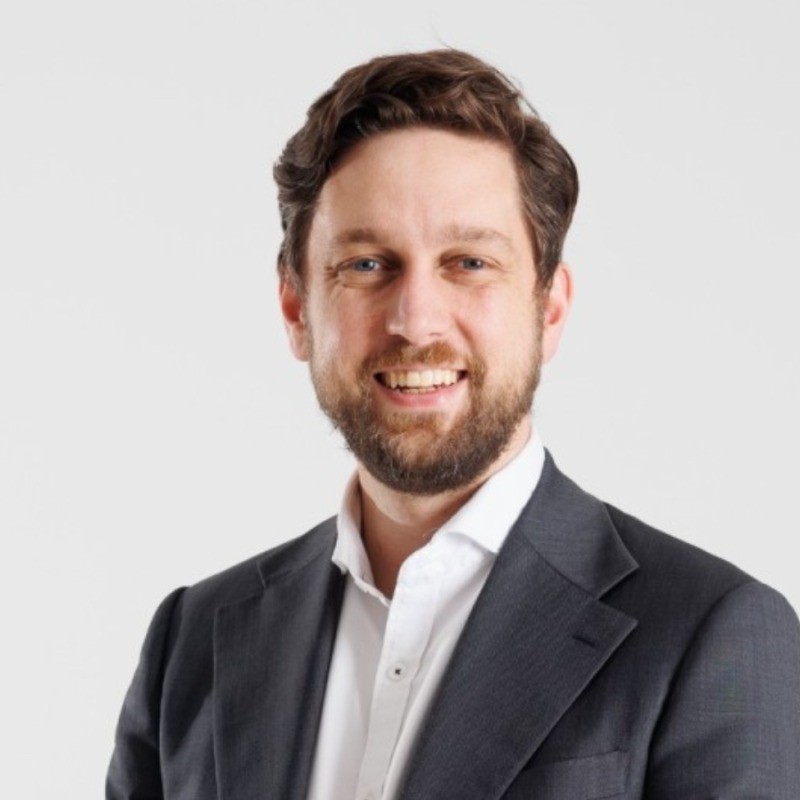 e supported the editorial department to start with,” Mr Andreacchio, pictured left, says.
“We provided the equipment for editorial, then we provided sound services, and we also provided the location.
“It was edited in Los Angeles, London, all over the world, however a large portion was edited in Adelaide. It was partly edited out of North Adelaide was partly edited out of Lot Fourteen, and it was partly edited out of Adelaide Studios.
“Everyone talks about ‘inter-precinct connectivity’ within government but they can’t show you what that looks like. This was an actual example of that happening.
“A lot of the agile stuff – the data and high-tech stuff – was happening here at Lot Fourteen, and a lot of the other post stuff was happening at Adelaide Studios. There was a real bridge there.”
As the film evolved Mr Andreacchio says the Adelaide crew worked closely with overseas teams, including the Formosa Group and Universal Studios StudioPost in Los Angeles.
However there was one fly in the ointment that almost killed Monkey Man before it was born – the worldwide Covid pandemic.
Patel told the ABC that the film was originally supposed to be shot in India.
"We were in the biggest slum in M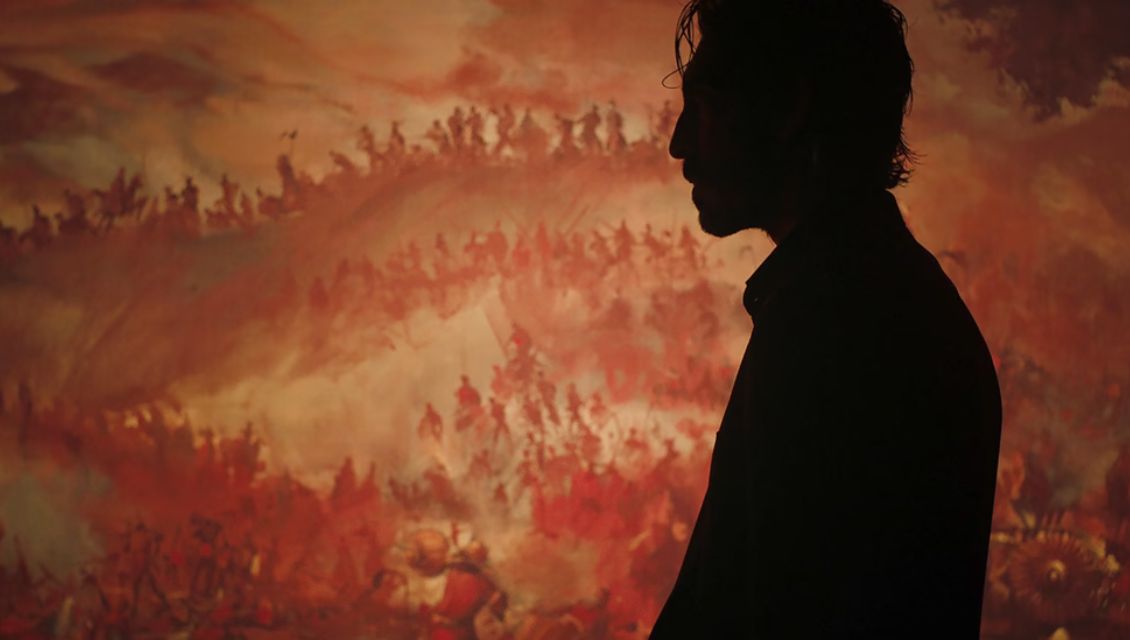 umbai and, by the end of that week, it was like (the film) 28 Days Later: The roads were closed, the fog had lifted, the pollution had lifted, the skies were clear, but there was not a soul on the streets," he said.
Hence Plan B – the Indonesian island. But the fact that South Australia remained fairly untouched by Covid thanks to a strong border policy and our state’s relative isolation meant Patel spent big chunks of time in Adelaide working on the film, unhindered by the lockdowns that had impacted much of the rest of the globe.
For Mr Andreacchio, this direct connection – and the way Monkey Man drew so much talent together – made the film special.
“We’ve worked on some big films, but this was different,” he says.
“This for me was something that was so creatively driven. In many ways this was a big project, but in some ways it was small project where people did a lot with a little.”
Mr Andreacchio says that travelling to LA for Monkey Man’s premiere was a special moment for everyone who worked on the film.
He says being in the famous TCL Chinese Theatre, on the Hollywood Walk of Fame, before the sho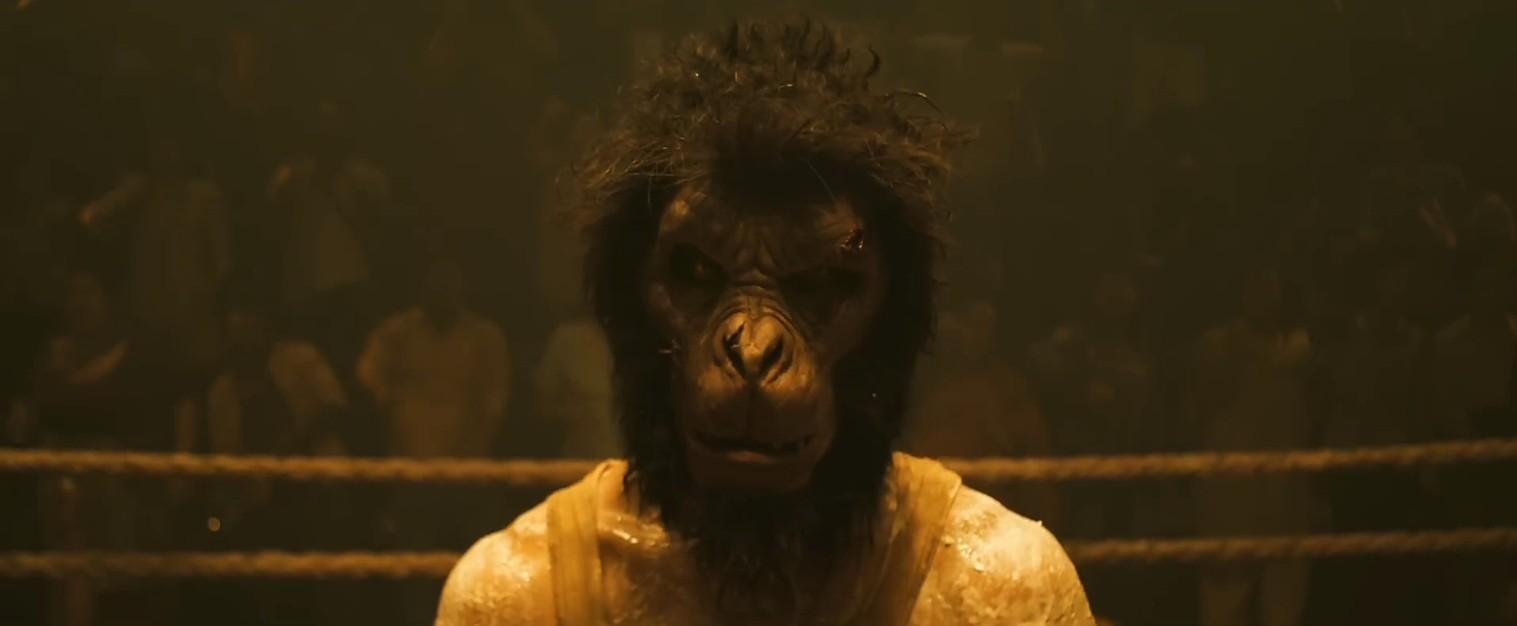 w started was a chance to reflect on the journey.
“We all love the big fanfare, but sometimes it’s about the quieter moments,” he says.
“When you sit down and disentangle just how much goes into a film … it’s quite the organism. Every film is like a start-up – it begins with an idea and some IP and the bringing of people together and each one grows uniquely.”
South Australian Film Corporation CEO Kate Croser said Monkey Man was "a great showcase of South Australian screen industry talent, and another wonderful example of the many ways in which the State Government, through the SAFC, enables world-class production in this exciting sector".
"Seeing all those local names and the SAFC logo roll up in the end credits is something of which all South Australians can be really proud.”
Ms Croser said SA's screen industry encompassed a wide range of highly skilled talent across an entire ecosystem of screen production.
"As well as award-winning South Australian directors, writers and producers, cast and crew working on TV and feature film productions regularly filming in the state, our world-renowned PDV (post production, digital and visual effects) sector features an array of companies like Artisan Post Group, Rising Sun Pictures, Technicolor’s Mr X, KOJO Studios and Resin all providing top quality post production work for some of the world’s biggest films, supported by the SA PDV Rebate through the SAFC.
“$83 million was spent on PDV in South Australia last year – our second highest spend on record and the third highest spend in the nation behind New South Wales and Victoria, which really demonstrates the strength of the sector and the success of the SA PDV Rebate since it was introduced in 2018."
Monkey Man is screening at select theatres and is available on streaming services. Click here for more information.