Hundreds of young South Australians will explore non-university career pathways this year thanks to a new, industry-supported vocational education program being rolled out across 50 primary schools.
The program, which was first piloted at five schools last year, has been expanded and will see up to 1500 students participate in partnership with up to 50 potential employers, including SA Power Networks and local councils.
The State Government has included a focus on starting vocational education and training in primary schools to give students a passion for non-university pathways right from a young age – and is a focus of the $19 million Career Education and Pathways Strategy.
In Term 2, 12 schools are enrolled in the program with students in Years 4 to 6 working with seven industry partners on real-life problems that need a solution.
Students at East Adelaide School, for example, will be challenged to find ways to increase the linkage between parks in the City of Norwood Payneham & St Peters to ensure safe wildlife movement between them.
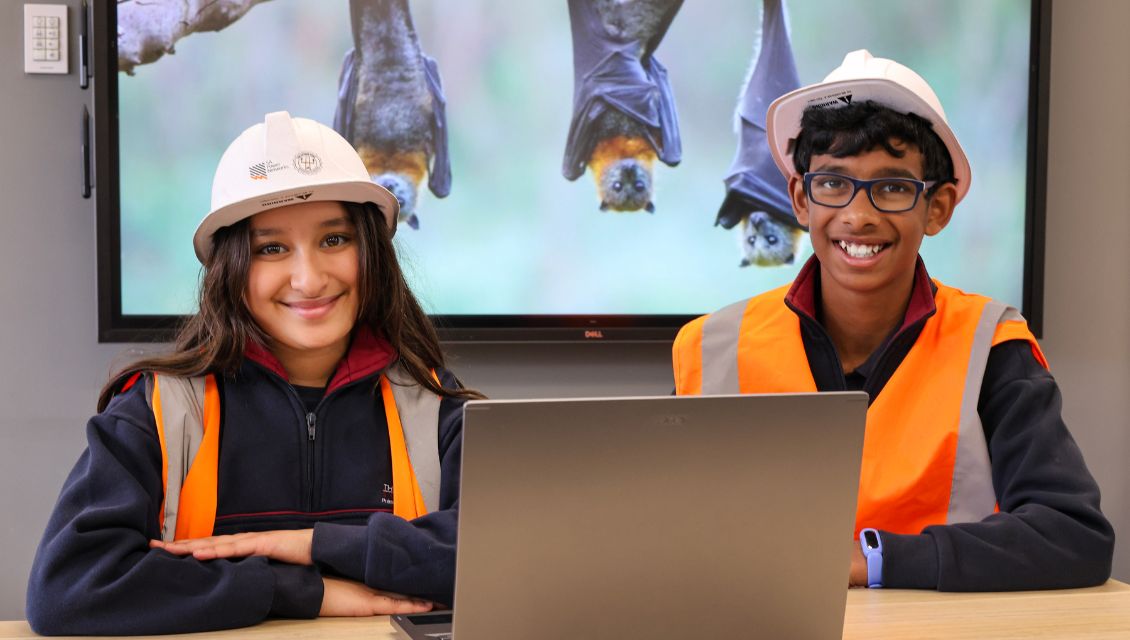
Meanwhile, students at two primary schools – Hallett Cove and The Heights – will be engaged in a project to consider how to reduce power blackouts caused by bats landing on power lines.
Teachers are being provided with professional development and support throughout the term to help deliver the program with their class.
The Heights School Assistant Principal Tarnya Adams said the school was "working on a project with SA Power Networks (SAPN) to find a solution to an issue they are having with the bat colony in Botanic Park interrupting power across various parts of Adelaide".
"Last term, the teachers were provided training about the project and in week one of this term students had a briefing from SAPN about the issue," Ms Adams said.
"The students have started mind-mapping the engineering design process by defining the problem and identifying the issues and are now in the research phase of this project.
"This is an exciting opportunity for our students to think through real-world problems, undertake research and work through the design process. Our students are really enjoying this project so far and are looking forward to presenting their findings and solutions later this term."
SA Power Networks Head of Organisational Capability Holly Waltham said SAPN was "thrilled to be part of this program with the SA Government and The Heights School".
"As a big state employer, we are strongly focused on the early career talent pipeline and collaborating with Government and industry to collectively address future skills and workforce needs," she said.
"It is very exciting to support initiatives that align with organisational needs while also giving young South Australians something to get excited about and aspire to."