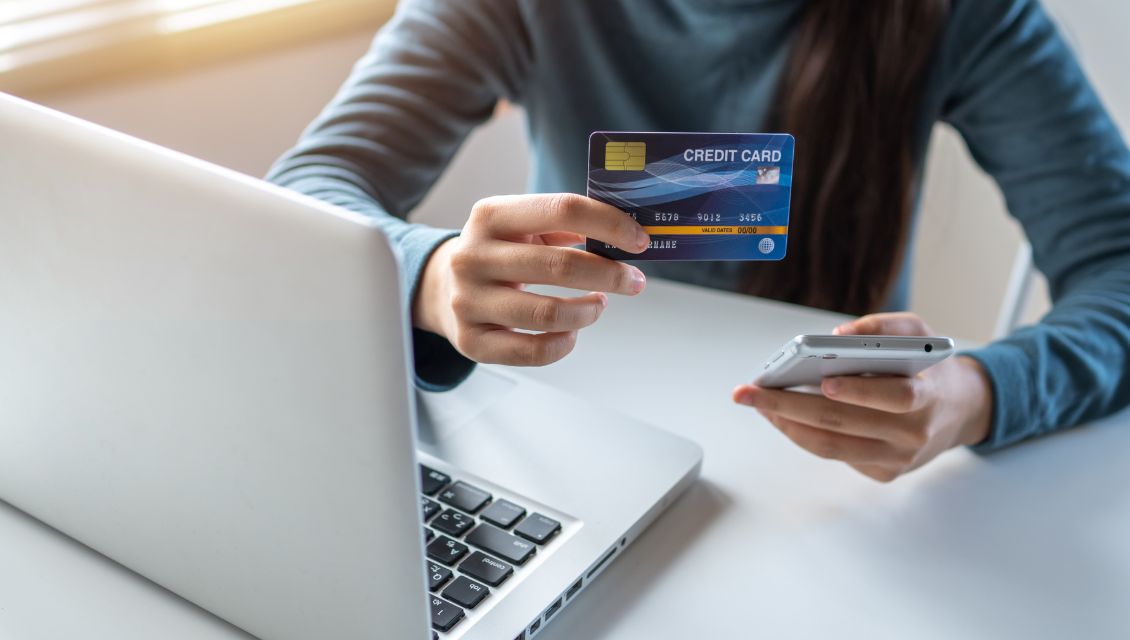

Whether you're travelling, shopping online or waiting for parcels to be delivered, you can never be too vigilant when it comes to your cyber safety. To help, the Cyber Security Directorate, Office of the Chief Information Officer, has compiled the following tips and resources to help you stay safe online this festive season.
Cyber-safe travelling
As the holiday season approaches, many of us will be booking flights, arranging accommodation online and travelling with multiple devices. While these digital conveniences make travel easier, they can also expose us to potential cyber threats. Cyber criminals often take advantage of the busy travel period to target unsuspecting travellers trying to find a good deal. Be aware of these common scams:
- Fake holiday rentals: Scammers may use real websites to post fake ads for holiday rentals. These listings look real, with great photos and reviews, but have too good to be true prices and push for quick bookings.
- Loyalty points expiry alert: Scammers may send fake emails or texts claiming your loyalty points are about to expire. These messages include links to fake login pages that steal your account details.
To stay safe, before you go make sure to update device and antivirus software, backup important data, turn on multi-factor authentication (MFA) for your accounts and secure your devices with a PIN, passphrase or biometrics.
While you travel keep your devices with you or within sight, set your devices to automatically lock after a short time, be cautious of free public Wi-Fi in airports, cafes and hotels, disable auto-connect features and if possible, use mobile data or consider using a VPN, and use your own charging cables, plugs, portable chargers, and headphones and avoid public charging stations.
After you return, change PINs and passwords for your accounts and devices and wipe any removable storage used when travelling, such as USB drives or SD cards.
To be prepared for your next trip, download the ACSC’s security tips for travelling.
Delivery scams
As online shopping ramps up during sales events and the festive season, cybercriminals are also stepping up their game. Delivery scams are one of the most common tactics used to trick Australians awaiting parcels. Cybercriminals often impersonate trusted delivery services like Australia Post, DHL, Amazon, or StarTrack. Here are some scams to watch out for:
- Fake delivery notifications: Scammers send SMS or emails claiming your parcel is delayed, undelivered, or requires a fee for release. These messages often look legitimate and may even appear in the same thread as real delivery updates.
- Phishing links: Messages may include links that lead to fake websites designed to steal your personal or financial details.
- Voice call scams: Scammers may pose as delivery company representatives, claiming they have intercepted your parcels containing sensitive documents. They try to pressure you to steal your banking details and personal information.
Tips to stay safe:
- Do not click on links or call any phone numbers contained in delivery notification messages.
- Verify messages and emails using official sources. Contact the delivery service directly using details from their official website, not those in the message.
- Look for red flags; be cautious if the message threatens additional charges or requests further information.
Online shopping
The holiday season is a prime time for online shopping. However, cybercriminals take advantage of this busy period. They create fake online stores that appear legitimate but are designed to steal your money or personal information. These sites often advertise heavily on social media, offering in-demand products at prices that seem too good to pass up.
Cybercriminals use various tactics to trick shoppers during peak sales periods like Black Friday and Boxing Day. Some common scams are:
- Fake online stores: Scammers set up websites or social media pages that mimic legitimate retailers. They advertise heavily discounted items but never deliver the product or send poor-quality goods.
- Marketplace scams: Scammers create fake profiles on platforms like Facebook Marketplace, Gumtree, and eBay, offering expensive items at bargain prices and requesting payment via PayID, or bank transfer.
- Impersonation: Scammers may impersonate celebrities or public figures to recommend and promote products or services.
Tips to stay safe:
- Verify the website and seller. Check the URL for misspellings or unusual characters and research the seller’s reviews and ratings. Look for an ABN and verify it on ABN Lookup.
- Pay with credit cards or PayPal for buyer protection. Avoid direct bank transfers, PayID, cryptocurrency, or gift cards.
- Watch for red flags. Be cautious of unrealistic discounts, social media ads, and keep records of all transactions.
Reporting incidents
If you think you’ve been scammed, shared personal details with cybercriminals or connected to a fake Wi-Fi network report it immediately. Reporting helps authorities investigate and protect others.
You can report to:
- ACSC’s report and recover: Use the Australian Cyber Security Centre’s service to lodge a cybercrime report.
- Scamwatch: Report scams and suspicious activity to Scamwatch to help raise awareness and prevent others from being targeted.
- Contact your bank immediately if you think you’ve lost money or shared financial details.
- SA Police: If you are a victim of cybercrime, contact your local police station in person or by phone.
MORE STORIES LIKE THIS