
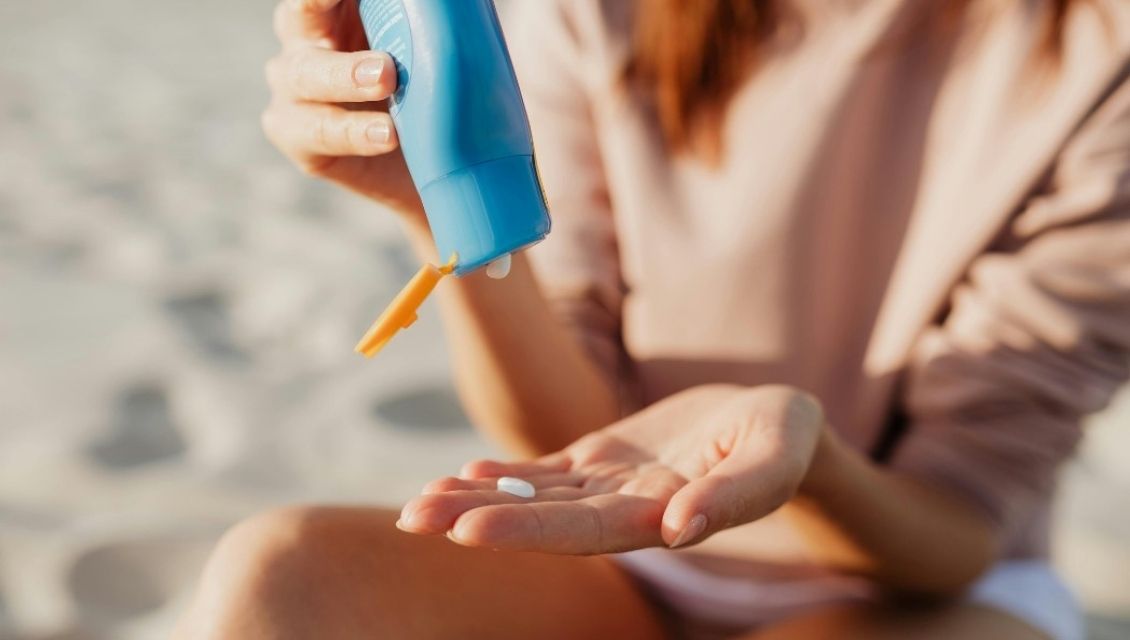
After CHOICE tested 20 popular products last year and found 16 didn’t meet the SPF claims on the label, the TGA stepped in, recalls followed, and social media lit up.
Suddenly, influencers were tossing their SPF and warning followers it "can’t be trusted". But most of the panic is based on misunderstandings – and skipping sunscreen altogether is far riskier than using it.
"Australia has the highest rate of skin cancer in the world, with two in three Australians being diagnosed in their lifetime," says Christine Morris, Senior Manager of Prevention at Cancer Council SA. "Fortunately, skin cancer is almost entirely preventable. Sunscreen plays a crucial role in that protection – but it should always be the last line of defence in your sun protection routine."
Yes, a few sunscreens were recalled – but the rest are still fine
The CHOICE testing focused on a group of mineral sunscreens that shared one faulty base formula, tested by the same lab. Most of those products have now been voluntarily recalled or paused.
But that doesn’t mean other sunscreens are ineffective. In fact, there are more than 900 TGA-approved sunscreens on the Australian market – and the TGA continues to encourage Australians to use them on days when the UV is 3 or above.
Christine says sunscreen is a vital tool for cancer prevention – but only when used with the other four sun protection steps.
You can check the UV level for your location using the free SunSmart Global UV app – it’s the easiest way to know when to Slip, Slop, Slap, Seek and Slide.
Bonus: sunscreen protects your looks, too
UV radiation doesn’t just cause cancer – it also breaks down the elastin in your skin, leading to wrinkles, sagging and sunspots. Just 15 minutes of unprotected sun can undo all the effort you’ve put into your skincare routine – that’s all it takes for UV to start causing cell damage.
So if you’re using a $90 serum at night and skipping SPF and a hat the next morning, you may as well pour that expensive skincare down the drain.
Using active skincare? Then SPF matters even more.
Many popular skincare ingredients actually make your skin more sun-sensitive. That includes retinol, benzoyl peroxide, and exfoliating acids like glycolic, lactic, mandelic and salicylic acid.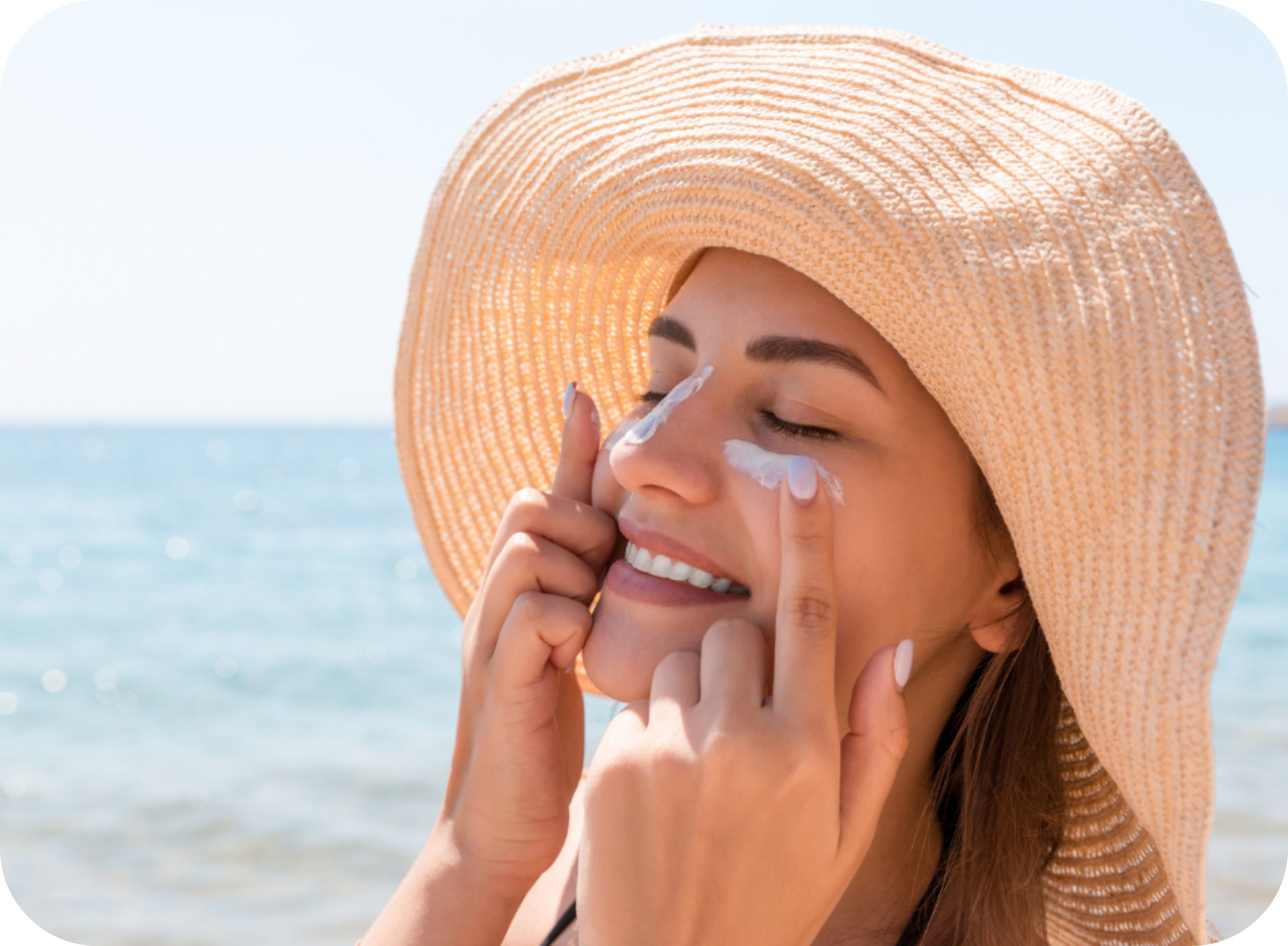
If you’re using these actives (and let's be real, most of us are), then SPF50+ is non-negotiable – and it needs to be paired with a hat and sunnies to really work.
Sunscreen still works – but only if you use it properly
Sunscreen isn’t magic. But when it’s used correctly, it’s one of the most effective tools we have to prevent skin cancer, premature ageing and visible sun damage.
The problem is, most people don’t use nearly enough.
How much sunscreen should you use?
Cancer Council advice is clear: you should be using about one teaspoon (around 5ml) of sunscreen for your face, neck and ears every time you head outside when the UV is 3 or above. That’s a full teaspoon just for the area most exposed to the sun – and one of the most commonly missed.
For full-body protection, the average adult needs around seven teaspoons in total: one teaspoon for each arm and leg, one for the front of your body, one for your back, and one for your face, neck and ears.
To make it actually work:
- apply sunscreen 20 minutes before going outdoors
- reapply every two hours, or more often if you’re swimming, sweating or towel-drying
- don’t forget easy-to-miss spots like ears, hairlines, lips, hands and the back of your neck.
"Sunscreen, even if it is reapplied regularly, cannot offer complete protection against UV radiation," Christine says. "That’s why we encourage everyone to use sunscreen alongside protective clothing, broad-brimmed hats, shade and sunglasses."
The five-step sun protection routine
In other words: Slip, Slop, Slap, Seek and Slide. If you’ve forgotten what that actually means, here’s a quick refresher:
- slip on long-sleeved clothing (linen shirts count)
- slop on SPF50 or 50+ broad-spectrum, water-resistant sunscreen
- slap on a broad-brimmed hat to cover your ears and neck
- seek shade – even stylish umbrellas and cabanas do the job
- slide on wraparound sunglasses that meet Australian standards.
You don’t have to be perfect – but the more consistently you do all five, the better your protection.
Sunscreen myths we need to ditch
Let’s clear up some of the biggest myths doing the rounds:
- "Makeup with SPF is enough"
You’d need to apply way more than you normally would – think seven teaspoons of foundation – to match the SPF on the label. Use real sunscreen underneath. - "Dark skin doesn’t need sunscreen"
Melanin provides some natural protection, but it’s not enough. UV still causes long-term damage – including cancer – regardless of your skin tone. - "Fake tan protects you from the sun"
It doesn’t. Research shows people who use fake tan aren’t any better at sun safety, and some even wrongly believe it offers SPF-like protection. - "Sunscreen causes cancer"
There’s no credible evidence for that. In fact, regular sunscreen use has been shown to reduce the risk of melanoma, squamous cell carcinoma and other skin cancers. - "Sunscreen blocks vitamin D"
Most people in Australia get enough vitamin D through incidental exposure – like walking to the car or waiting for the train. Sunscreen doesn’t block it out completely.
Find all the facts about sunscreen and sun safety you need on the Cancer Council website.
This story originally appeared on The Post - a media partnership between the Government of South Australia and Solstice Media to inform young South Australians about the policies that underpin issues affecting their lives.