On average, three lives are lost every year in South Australia to boating accidents.
It’s a number the State Government would like to see reduced to zero, and it’s this aim that is driving the new South Australian Recreational Boating Safety Strategy 2025-2030.
The state-first strategy outlines 25 key actions across five priority areas to improve safety on our waterways and help combat irresponsible and dangerous behaviour on coastal and inland waters.
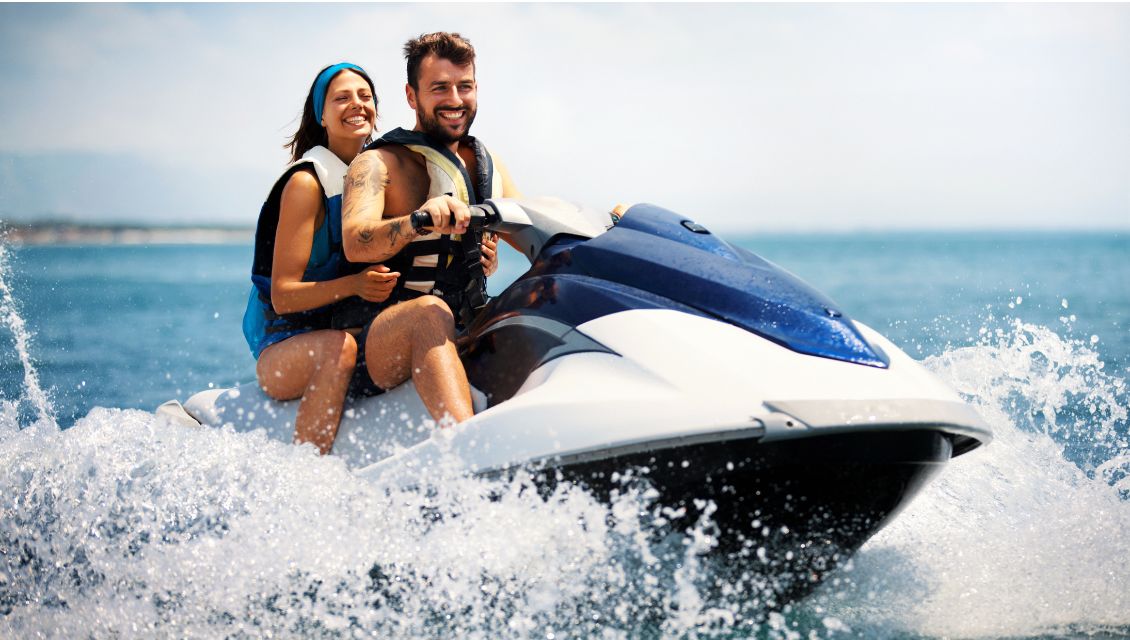
These actions include cracking down on dangerous jet ski behaviour, simplifying life jacket and safety equipment requirements, lower speed limits, increasing education, and expanding the use of technology such as mobile apps for boaties.
The initiatives aim to support the State Government’s target of reaching zero fatalities and harm among recreational boaters and other water users by 2030.
In the past 20 years through to June 2024, 65 people drowned while boating in South Australia.
A further five people have lost their lives in collisions and other incidents on the water over the past 10 years.
With speed a common factor in boating trauma, speed limits will be lowered closer to shore on coastal waters, in areas frequently shared by people and vessels, and where there are bridges and locks.
Swim-only and non-powered vessel zones will also be created, and jet ski riders will not be able to circle, weave or ride erratically near moored vessels and dwellings.
Boating safety education will soon be expanded in schools, at boat ramps, and through retailers who are often the first point of contact for people purchasing marine safety gear.
And more webcams will be rolled out across the state, giving boaties an instant snapshot of weather, boating conditions and boat ramp traffic through a 24/7 live feed which can be accessed online to help them plan and predict risks.
Other short-term actions include restricting Special Permit holders aged 12 to 15 years to within 1km of the shoreline, to provide them with an extra layer of safety.
They also will need at least six months supervised on-water experience before they can sit for the practical test if they want to operate solo.
Boat licencing will get a modern makeover, with an online education component to complete alongside the current theory test - similar to obtaining a driver’s licence - strengthening the learning experience.
Over the past four years, more than one third of 18,110 vessels checked by Marine Safety Officers were non-compliant with incorrect safety equipment and life jacket misuse among the most common issues.
In response, the strategy recommends simplifying lifejacket and safety equipment requirements, ensuring regulations are clearer, more consistent and easier to follow.
Boaties in semi-protected areas will have the option of carrying electronic visual distress signals instead of flares, providing they have extra safety equipment onboard.
Motorised vessels in unprotected waters more than 3.7km from shore will need to carry an EPIRB (emergency position indicating radio beacon), bringing the requirement for gulf waters in line with the remainder of the coast.
Manager of Marine Safety and Compliance Gordon Panton said the strategy was informed by the views of more than 2800 people who identified concerns and safety solutions during two stages of public consultation.
"We will continue to work with the community as actions are implemented over the next five years to foster a water safety-first culture among recreational boaties," Mr Panton said.
"Prioritising your safety also protects those around you, creating a safer future for everyone on our spectacular waterways."
Boaties are also encouraged to take advantage of a new series of Stay Afloat lifejacket clinics. The clinics will be at boat ramps and key events across the State during the boating season.
Visit a clinic to:
- learn how to wear and maintain your lifejacket
- know what safety gear you need
- understand emergency communications
- ask any other boating safety questions.
Marine Safety SA can also help you understand the different types of lifejackets, and how to clean, size and fit a lifejacket.
The clinics are free and walk-in friendly. No bookings required.
Click here to find more information about the Stay Afloat clinics, including upcoming dates and locations.