Aboriginal and Torres Strait Islander readers are advised that the following content contains images and names of people who are deceased.
Ali Abdullah-Highfold knows only too well how important connection can be for Aboriginal people.
Particularly for the children who are nowadays so cut off from family, community and Country.
A key driver of the South Australian Museum’s Aboriginal Family History Project, he’s helped thousands of people re-connect, often with very little to go on.
Sometimes it’s the name of an aunty here, or a grandfather there. Sometimes, amazingly, he can just place a face.
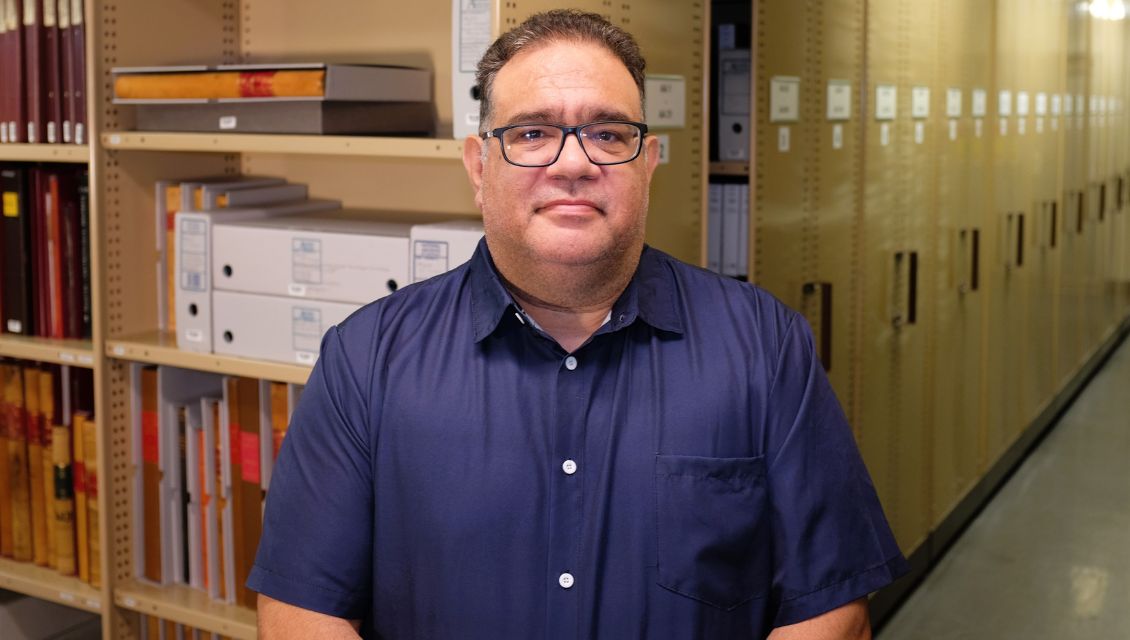
"I’d probably get 300-400 individual requests a year," Ali (pictured above in the South Australian Museum Archive) said.
"I would also share historical information through a repatriation process back to communities to support connection, identity and history.
"T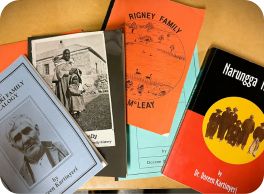 his information has helped families and communities understand their history, while reviving language and traditions. It assists Native Title claims and services provided by other agencies as well, like Child Protection, Human Services and Education.
"All those agencies are supporting the Aboriginal community, especially Stolen Generations and children."
Ali also currently works for the Department for Child Protection as a Principal Policy and Project Officer, where he helps children and young people in care reconnect with lost family and community.
The Aboriginal Family History Project was founded 40 years ago this year and was supported in those early days by the work of Ali’s Aunty Doreen Kartinyeri.
Aunty Doreen compiled a number of genealogy books on various well-known Aboriginal family groups across the state including her own family from Port McLeay (now Raukkan) and the Narungga.
Ali uses these family publications, along with genealogy of West Coast families compiled by Aunty Neva Wilson and the records created by the South Australian Museum anthropologist Norman Tindale (1900-1993) to research and compile complex family histories for Aboriginal people.
Some of those family trees date back past first contact with European people, to almost the beginning of the 1800s in some cases.
"This is important legacy work and plays a crucial role for survivors of the Stolen Generation," Ali said.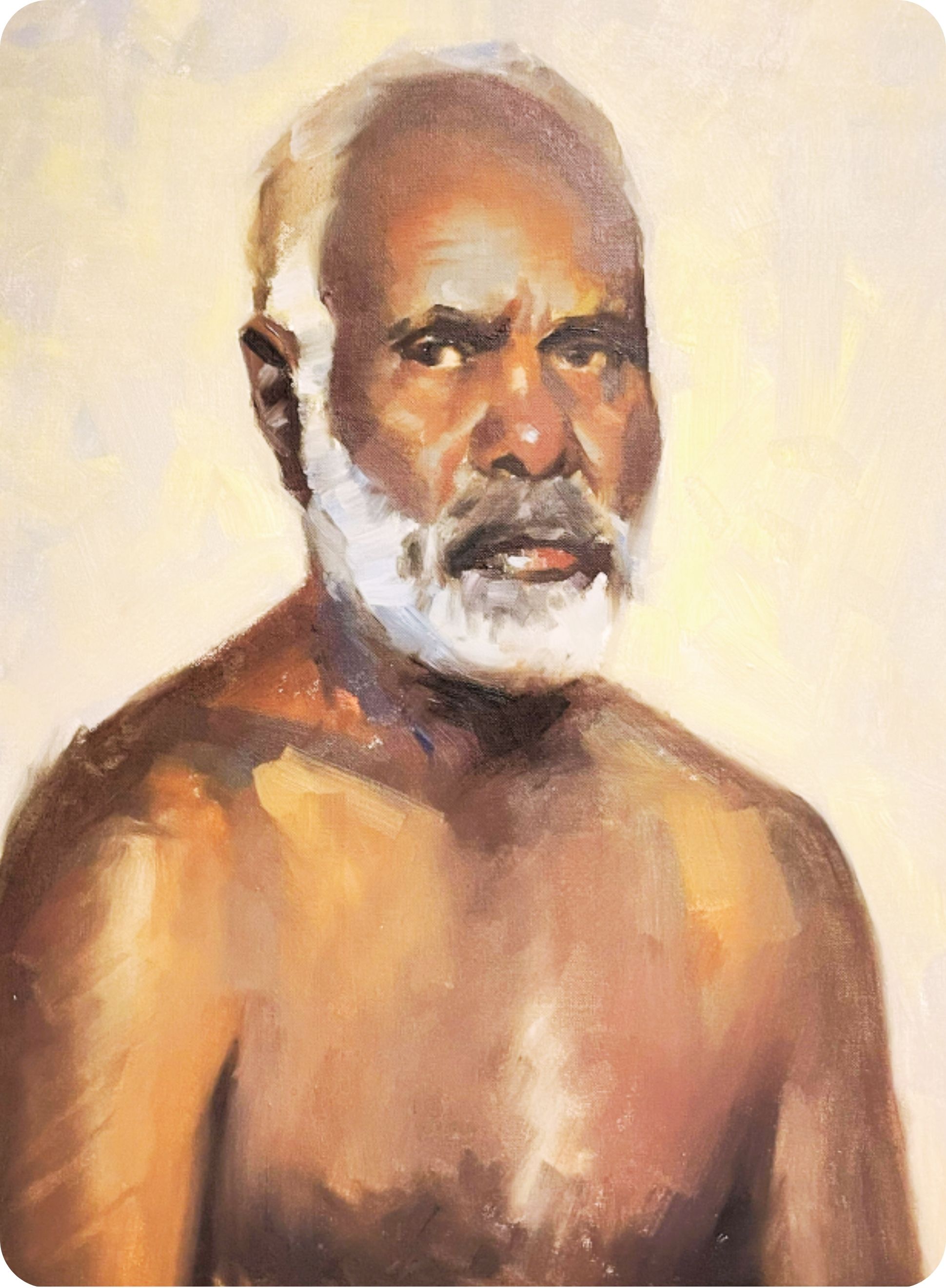
"But time is fading and it’s getting difficult for young children to establish their identity and connection to start a family tree, particularly when they don’t know their Aboriginal family names or their Nation Groups.
"We engage with the people to find what relevant information they know. We then research and access Museum archives collections; we also research official records, archives and other media and build a comprehensive family tree.
"Some records can date back to 1830, depending on who Tindale spoke to on his expeditions.
"Tindale recorded everything during these expeditions: language, ceremonies, hunting and gathering, family structures and relationships, and customs. The records included personal details on many individuals like their name, age, Aboriginal groups and Community."
Tindale’s first expedition was in 1921. Expedition members compiled a huge amount of information on about 5000 individuals which linked to photos and anthropological data cards, genealogies, audio recordings, film footage and collection material. Artists travelling on the expeditions also painted many individuals they encountered.
One of those people was Ali’s grandfather Clarence Long (pictured above), who Ali credits with helping to preserve and protect his cultural knowledge, which has been vital for Native Title determination for many Aboriginal communities across the state. Something Ali’s work in family history is continuing to assist with.
Ali shows the detailed references to Clarence in the Tindale records, and points to the gold-framed painted portrait of him on the wall in the South Australian Museum archive.
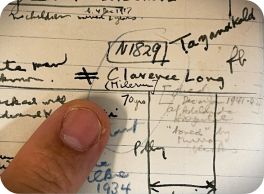 Clarence’s data card records him as 70 years old and at Point Pearce in 1939, but he was from Point McLeay.
Ali, who is a Kaurna, Ngarrindjeri, Narungga, and Wirangu, Kokatha and Ngadjuri man, said Tindale’s records are sensitive and controversial, but were perhaps becoming less so over time as younger Aboriginal people become interested in family history.
"I see the good and the bad," he said. "A lot of people don’t have their records – they don’t get to hear or see their grandparents in the records.
"Both Aunty Doreen and Tindale tried to record and preserve our history and culture. At least it’s there, so people can come and see it or argue about it if they want to."
The South Australian Museum archive also has thousands of other documents, photos and newspaper clippings that Ali can use for research, which can be important because many young people have so little knowledge and information to go on.
He shows a photograph of teenage debutants all dressed in white gowns at Point Pearce taken in the 1960s, and 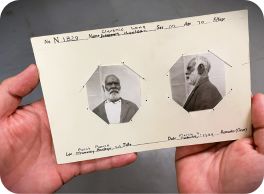 points to one.
"She looks just like her daughter," Ali said. "Sometimes that’s all I need – I can see the family resemblance and build a family history around that."
Ali plans to continue his efforts in family history for a long time yet.
"I think connection, family and community are important"” he said.
"I want to continue Aunty Doreen’s work and leave a lasting legacy to preserve our Aboriginal family genealogies for the future generations so our young people can always have current up-to-date genealogies to give them their Identity, culture and connection to country.
"I was brought up to serve the community."
To find out more about work being done at the South Australian Museum, visit the website.