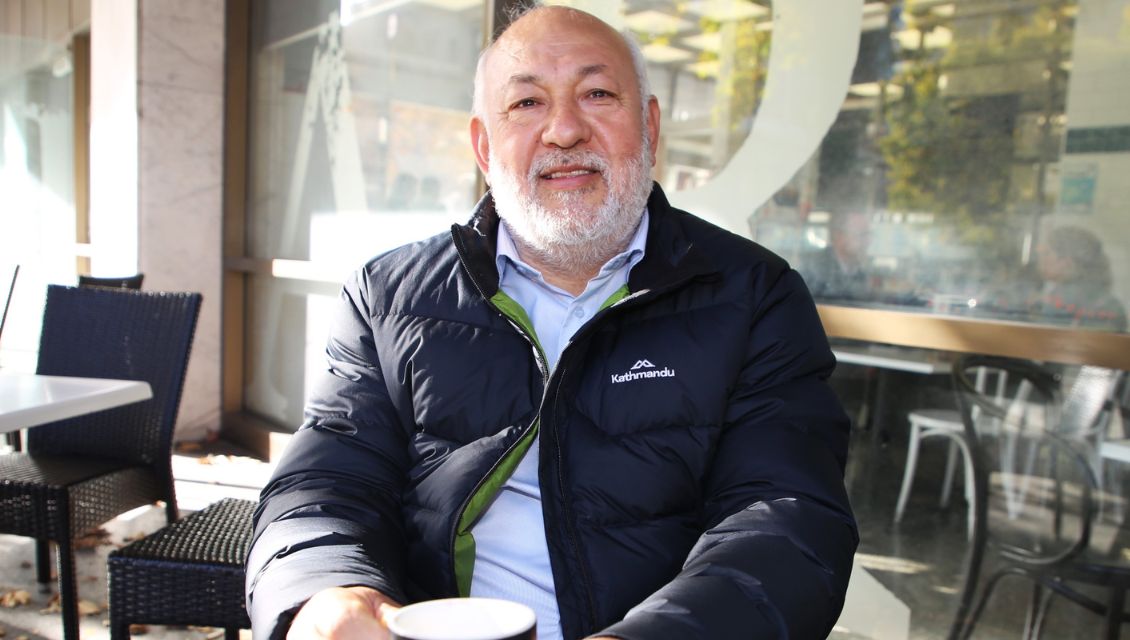
When Hussain Razaiat spends time at the beach he takes a moment to give quiet thanks to the seagulls.
Because it was seagulls, he says, that saved his life.
Drifting aimlessly in the Indian Ocean on an overcrowded Indonesian fishing boat with very little water and nothing to eat but the last of a small stash of rice and potatoes contaminated with diesel, Mr Razaiat and his fellow refugee companions had almost given up hope.
A journey that was supposed to take days had dragged on for well over a month, the confused skipper unable to deliver them to Australia as promised.
With no GPS or navigation equipment on board, and no land in sight, it was the sight of gulls that alerted the captain to the presence of Ashmore Reef, a tiny coral atoll in the Timor Sea, located within Australian waters.
It was there Mr Razaiat and his fellow passengers were arrested by the Australian Navy, and it was there that the most dangerous leg of an incredibly dangerous journey to start a new life for himself and his family came to an end.
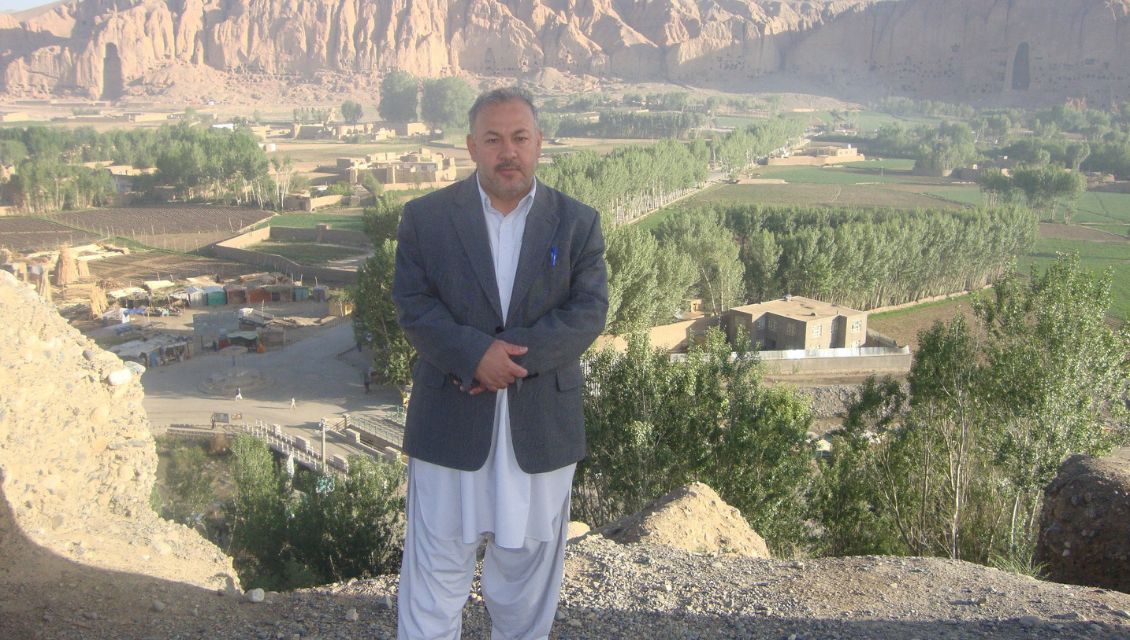
Mr Razaiat grew up in the ever-present shadow of war.
He was just a boy when the Soviet Union invaded in December of 1979. Following their withdrawal in 1989 the country was plunged into civil unrest, with mujahideen factions fighting the government.
But it was the rise of the Taliban in the mid-1990s that led Mr Razaiat, a member of the long-persecuted Hazara ethnic minority, to the decision that there was no longer a future for him and his family in Afghanistan.
“In Afghanistan I was working for a tannery, producing leather, and I was also doing some religious studies,” Mr Razaiat says.
“When the Taliban took over it was horrible, particularly in the area where I lived. They took control and stopped anything coming in, such as wheat or any other sustenance.
“Nearly all of the leaders were arrested, and some were killed.”
Mr Razaiat said that being Hazara only made staying in Afghanistan even more dangerous.
“The Taliban saw Shia people as infidels and believed that it was acceptable, religiously, to kill us,” he says.
“First my older brother, who was a teacher, was arrested and taken. Then I was also arrested and questioned a lot.
“I was doing business, I was an active business person, but also I was against their interpretation of Islam. So for that they arrested me many times and I had to ask myself ‘do I leave, or do I stay here and die?’”
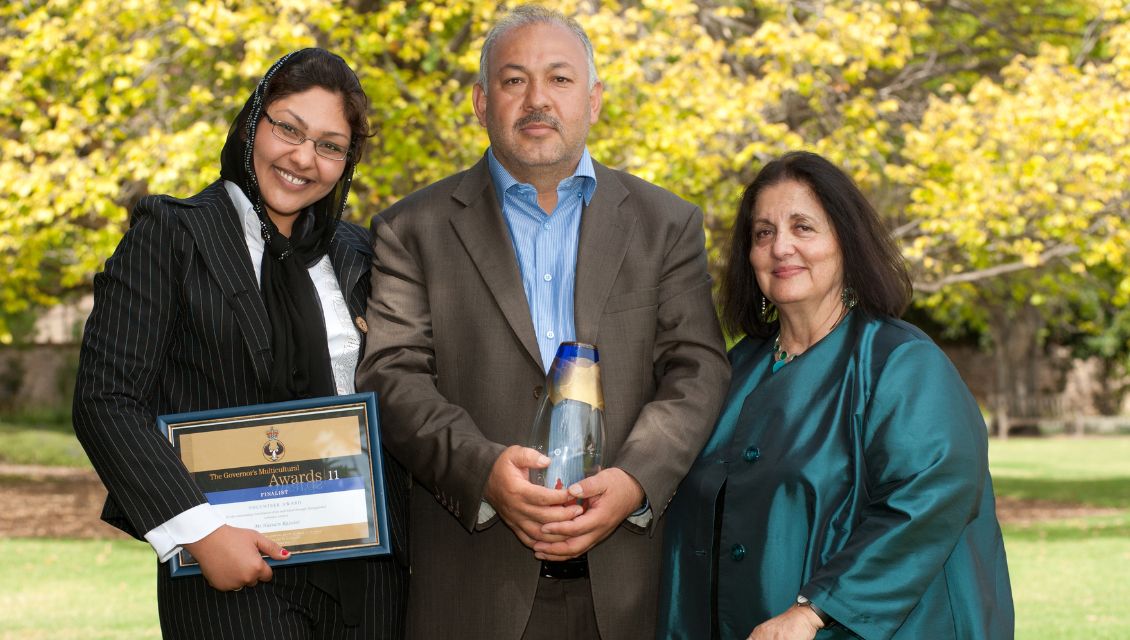
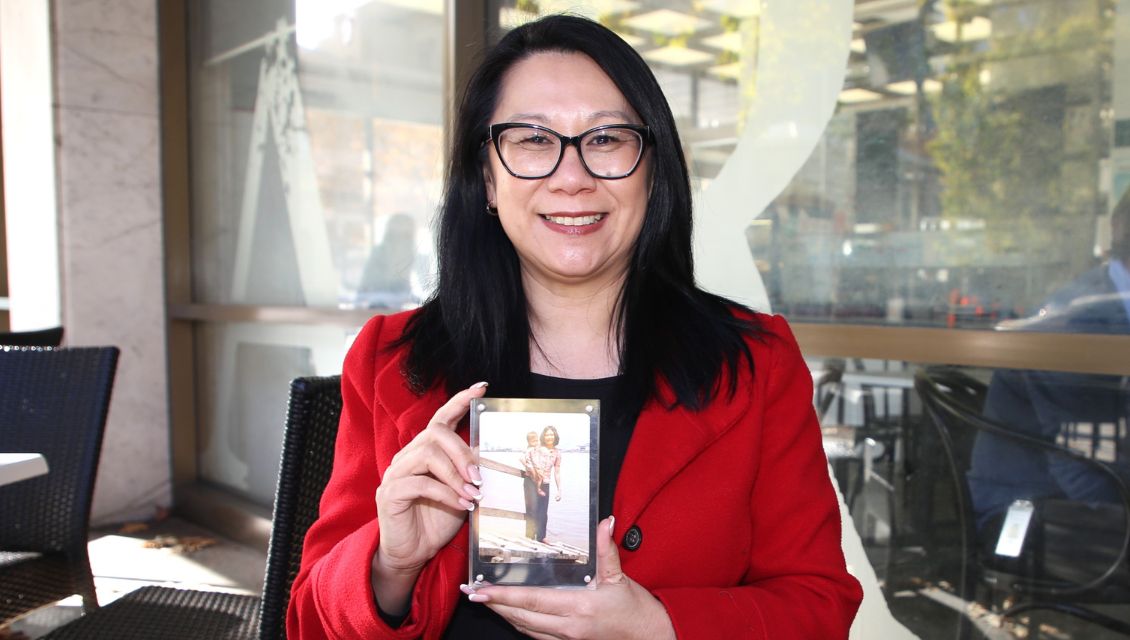
Making the heartbreaking decision to leave his wife and child and attempt to find a place where they could all eventually be safe, Mr Razaiat (pictured above with his daughter Azada and retired CEO of Australian Migrant Resource Centre Eugenia Tsoulic) began a long and fraught journey on foot to Pakistan.
“I walked very far, from mountain to mountain,” he recalls.
“Between where we started and Pakistan there was a place where the Taliban had shot so many Hazaras and thrown them into the valley.
“Sometimes we were on tractors, but mostly we were walking. If the Taliban had found us they would have killed us. Many people were killed without question.”
Upon making it into Pakistan Mr Razaiat tried to obtain government or UN assistance, but had no luck.
“I had been in Pakistan for a few months and I was struggling,” he says.
“I had no income, no support – nothing.
“And then I heard that smugglers were helping people go to Iran or Turkey or to Malaysia, and that from Malaysia there might be a chance to go to Indonesia and then Australia.”
Remembering an old book he owned, written in Farsi, that described Australia and its people in a favourable light, Mr Razaiat made up his mind that this is where his future lay.
After the aforementioned boat journey and subsequent arrest, Mr Razaiat found himself detained in Woomera.Not long after his detention came the World Trade Center attacks and US-led invasion of Afghanistan.
With the Taliban officially deposed, Mr Razaiat said there were moves to send Afghan asylum-seekers back, but he knew that it would still be unsafe.
Eventually he and a number of other refugees were granted visas and taken by bus to Adelaide where they were dropped at a Hindley St hotel and told they had one week’s accommodation and then they were on their own.
“We had no experience of living in a modern country like Australia,” he recalls.
“We didn’t know what to do. But there was a guy at the motel in the reception who was very sympathetic, and he told us about a church on Pirie Street that was helping refugees, so I walked there and found the Otherway Centre.”
What he also found was a community willing to help.
“I said, ‘I’ve just been released from Woomera – can I tell you my story?’,” he says.
“So I did. I cried. They cried. And at the end of the session the priest said, ‘So what are you doing?’ I said that I was looking for work and he said, ‘you can start with me on Monday’.”
That was the start of Act Two for Mr Razaiat, and his beginning of a new life in refugee advocacy.
For more than 18 years, Mr Razaiat has worked as Settlement Services Manager of the Middle Eastern Communities Council of South Australia and he has helped thousands of people start a new life in Australia.
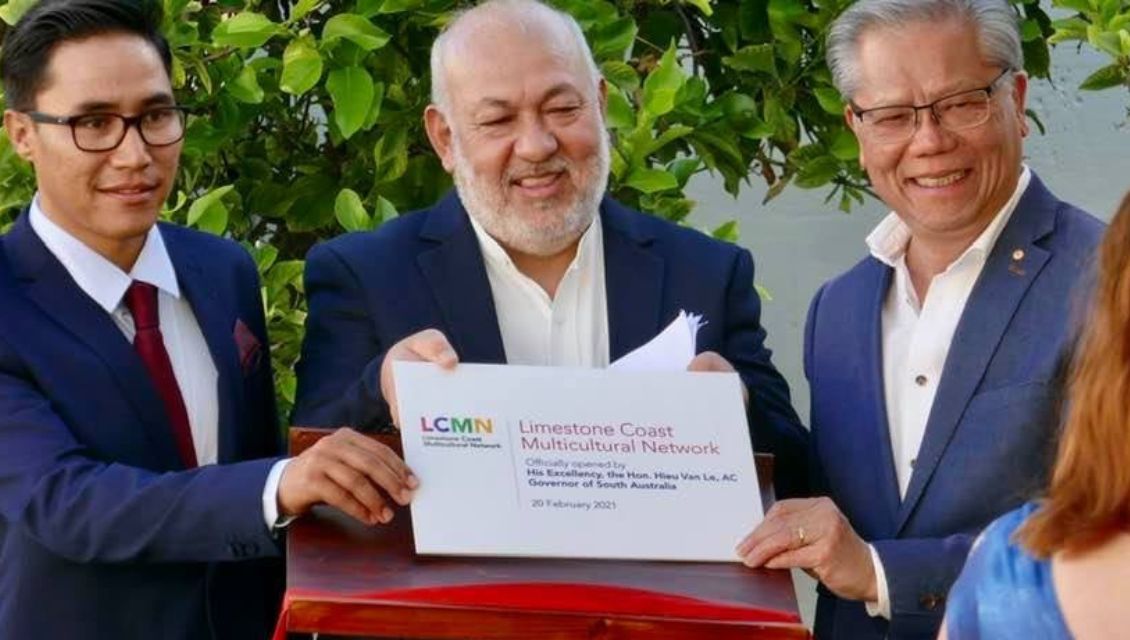
He is a respected leader in the Middle Eastern and wider community of South Australia and he is the founder of the Afghan United Association of South Australia and co-founder of the Wali-e-Asr Centre in Edinburgh North, which supports the Afghan community in South Australia.
A member of the South Australian Multicultural Commission and the Australian Multicultural Council, in 2020 Mr Razaiat won the Governor’s Multicultural Award for Outstanding Individual Achievement.
Mr Razaiat now lives in Adelaide with his wife and their four children, as well as the two daughters of his brother, who was tragically killed by the Taliban.
He says deciding to make that dangerous trip to Australia was the best thing he’d ever done.
“I think when you are desperate and you have nowhere to go, nowhere to stay, then you will do anything to save yourself and to save your family,” Mr Razaiat says.
“Now we are happy and live in safety. I’m very happy I made that decision.”
Click here to find out (external site) (external site) (external site)what Refugee Week activities are happening in your area.