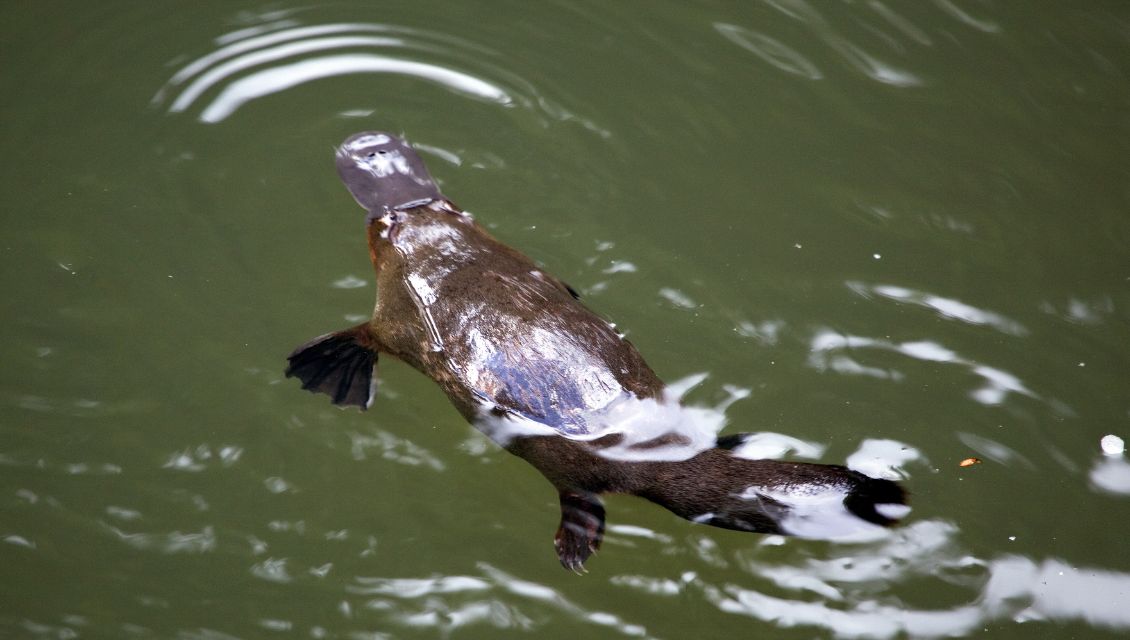
Imagine you’re walking along the banks of the River Torrens/Karrawirra Pari and you spot something moving through the water.
It’s not a water rat, or a possum, or a duck – it’s a platypus.
Unfortunately, this is not something currently possible, as the platypus is considered extinct in mainland South Australia.
But a Green Adelaide plan to reintroduce platypuses to the River Torrens is showing promise, with a recent study identifying positive food sources and habitat conditions for the mammal's successful return.
Green Adelaide Presiding Member Professor Chris Daniels said the study's findings were an exciting step toward rewilding the platypus in Adelaide.
“The platypus is an apex species, and if we can successfully reintroduce this iconic Australian animal to the Torrens, it means it is a healthy waterway with benefits for other species like long-neck turtles and native water rats called rakali,” Professor Daniels said.
“The project is significant, not only for the platypus, but for the focus it brings to the River Torrens, the soul of our city, and ensuring it is a vibrant ecosystem than continues to support a great diversity of wildlife.”
Professor Daniels said a recent announcement from the Department of Primary Industries and Regions (PIRSA) to ban opera house nets in South Australia from July 1 was welcome news to support the project.
Given platypuses eat up to 50 per cent of their body weight each day, the study looked at whether the river had sufficient macroinvertebrates such as insects and shrimp to support reintroduction and found that it does.
Professor Daniels said Green Adelaide hoped the project would reintroduce the platypus to the River Torrens/Karrawirra Pari by spring 2025.
Green Adelaide is working on a detailed translocation plan, which will consider where the mammals are sourced, the impact this has on the genetic pool of the population, and how animals will receive care and treatment.
The platypus has been considered extinct to mainland South Australia since the mid-1970s but they remain on Kangaroo Island following a successful translocation program in the 1920s.