
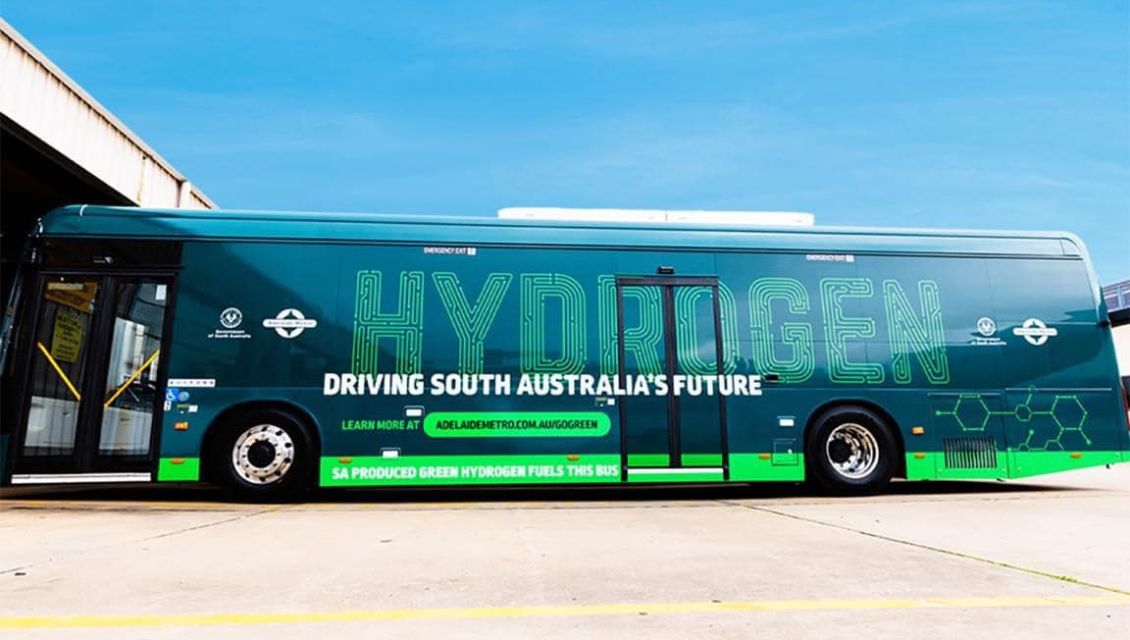
The two-year trial will use Hydrogen Fuel Cell Buses (HFCB) – a rapidly emerging, green alternative technology which allows buses to run without producing any greenhouse gas emissions or noise pollution – meaning clean and quiet public transport.
Buses run on this new technology, which is being trialled in cities globally, can travel greater distances than electric buses, which is critical to services to the outer metro areas and into SA’s regions.
Transit Systems CEO Michael McGee said the company, which was responsible for the hydrogen bus trials, was committed to the decarbonisation of public transport.
“These hydrogen buses are a perfect example of this, as we are bringing our global experience from operating hydrogen buses in London to the streets of South Australia,” Mr McGee said.
He said the buses would use hydrogen that had been produced at the Tonsley Innovation District.
"This trial will exploit innovative local supply chain solutions, gauge the economic benefits of renewable energy and harness local talent as part of the South Australian Government’s pioneering work to support local industry into a green future,” Mr McGee said.
The first of 44 hybrid-diesel trains is also being trialled on the Outer Harbor, Grange and Belair lines, with the first train expected to be introduced into passenger service in the coming weeks.
The new system will improve the environmental impact of the trains by allowing certain functions such as lighting and air conditioning to be run by battery, helping to reduce noise, emissions and air pollution.
Both new technologies are part of Adelaide Metro’s commitment to transitioning towards a zero-emissions public transport system to support the State Government’s net zero emissions 2050 target.