

The project is being done at the South Australian Museum by a group which includes the grandson of Sir Douglas Mawson.
There are 31 diaries in the Museum’s collection, which document 95 field trips mostly in South Australia, including the Flinders Ranges, Arid Lands and the State’s South East.
The diaries, which are separate to accounts of the explorer’s polar expeditions, include extensive notes about daily activities, maps and records of the geology Sir Douglas encountered. 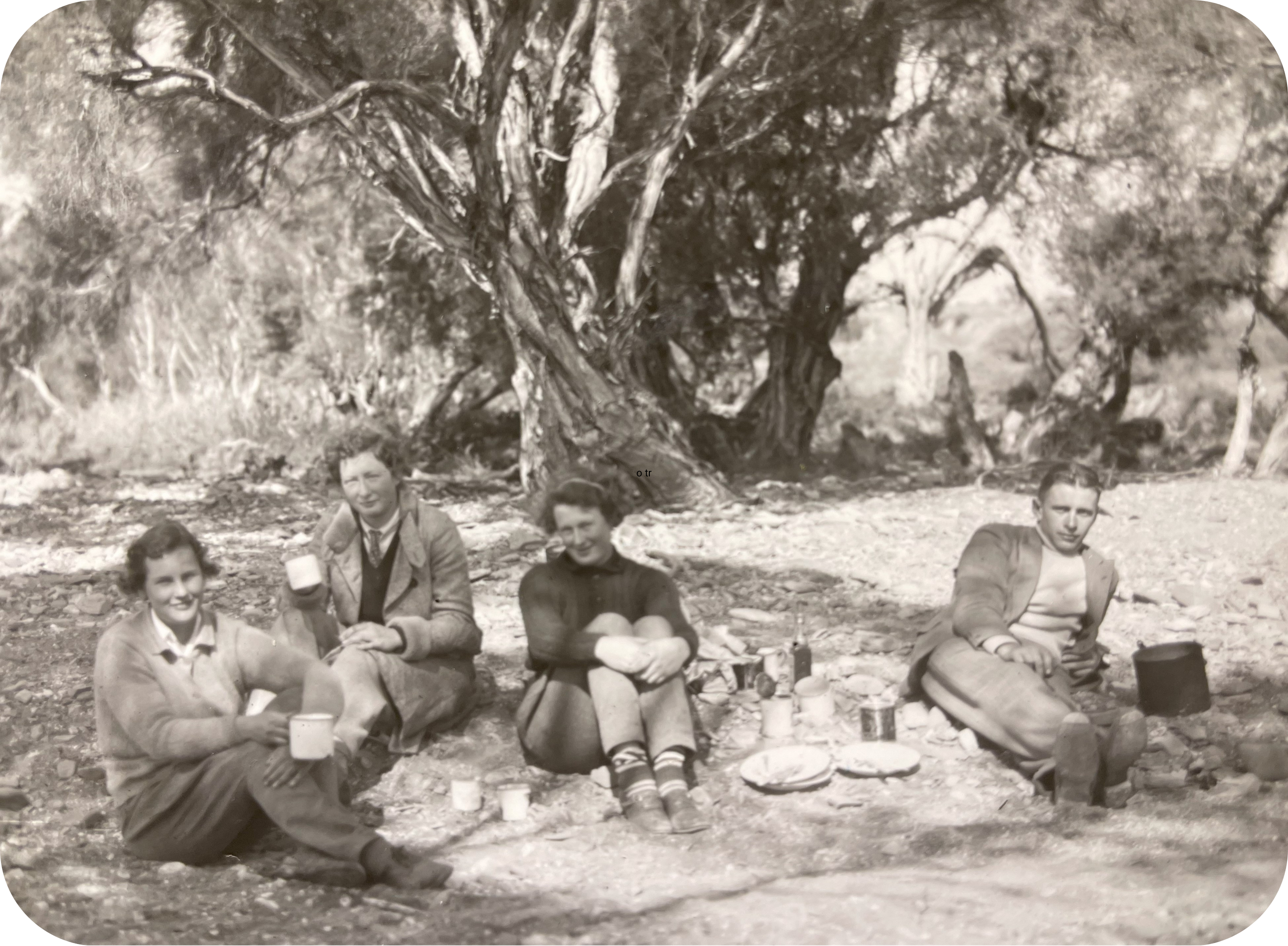
The data accumulated in the diaries was then used by Sir Douglas to prepare the 120 scientific papers he wrote during his career, including almost 50 on the geology of South Australia.
Sir Douglas was accompanied on most of the field trips by University of Adelaide geology students (pictured).
Mark Pharaoh, who is Senior Collection Manager for the Museum’s Australian Polar Collection, said the work was complicated by the sheer volume of the diaries, the often faded and difficult-to-read handwriting and the complex language Sir Douglas was prone to using.
The diaries are accompanied by 2000 photographs captured on the field trips, which are also being digitised and captioned.
The work has recently contributed to a significant update of Sir Douglas’s Wikipedia page, attracting a million views in the past few months.
"The ultimate goal is to find new ways to understand Mawson and the geological contribution he made on a day-to-day basis," Mr Pharaoh said.
"One of the early things we did was share the material with the Department of Industry Science and Resources for the mining sector.
 "In an ideal world we’d like to get that content from the diaries out there into the public domain, so people can retrace his footsteps.
"It’s a great excuse to go exploring."
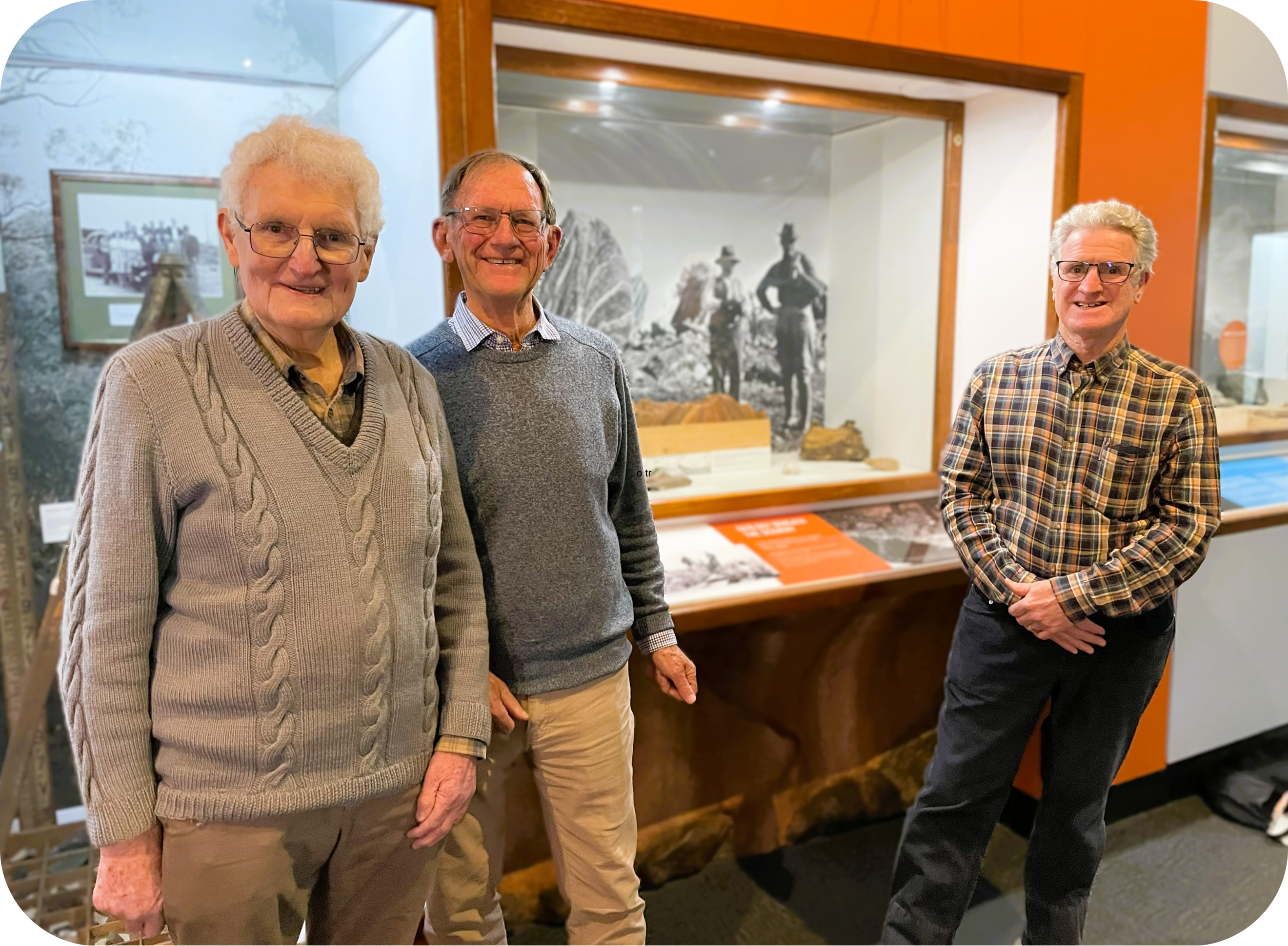
Work on the diaries was begun by the late Clive Wilson-Roberts and is continued by Emeritus Adjunct Professor at the University of South Australia Jim Jago, retired veterinarian Tim Tolley and Alun Thomas, who is the grandson of Sir Douglas (pictured).
Mr Thomas' mother Patricia accompanied Sir Douglas on many of his field trips to chaperone female students, and herself became a noted researcher at the South Australian Museum.
Mr Tolley said the team only worked one day a week on the project, which had also been significantly slowed by the Covid pandemic.
He said the transcription was complicated, but he found it relaxing, nonetheless.
"There’s a lot of older technical words that haven’t been used for 30 or 40 years, and his writing is hard to read," Mr Tolley said. "It’s a lot of scribble."
Mr Thomas, who was born the year before Sir Douglas died in 1958, said he was able to help out with the scribble.
"That’s one of the reasons why I’m here," he said with a smile. "I have a genetic disposition to be able to read his writing.
"I’m also enjoying the fact that from time to time I come up with a photo of my mother."
Mr Tolley said Sir Douglas went places few non-Aboriginal Australians had seen, and there were no maps to go by.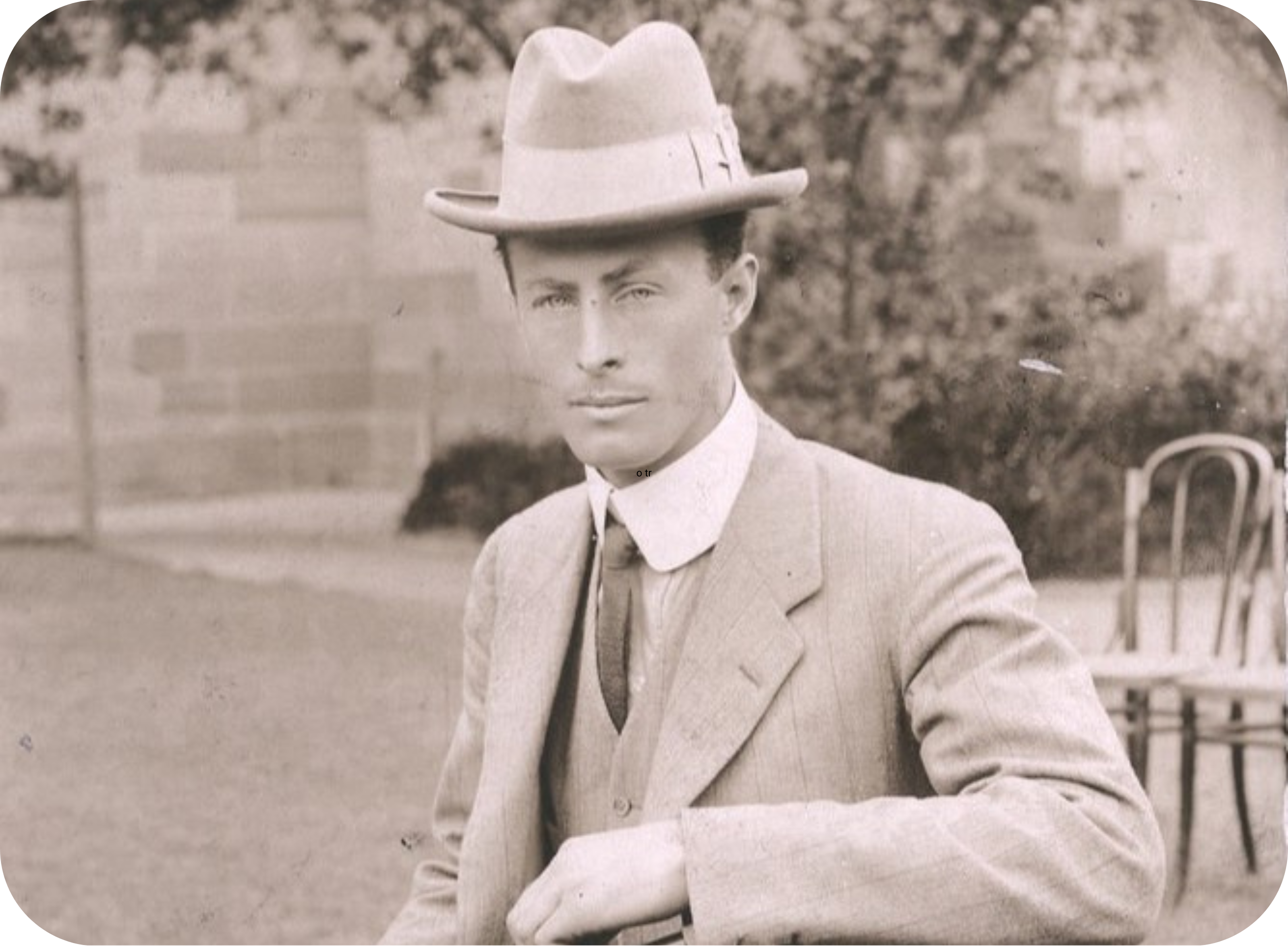
"He basically walked along and noticed how the geology changed, taking samples and drawing maps as he went," he said.
"He’d box up the rocks and basically leave them on the side of the road."
Mr Thomas said Sir Douglas (pictured in 1914) was very well known at the time, even by people living in such remote areas.
"He’d get a meal and sleep in the shearer’s quarters," he said. "He was pretty well treated.
"So, people would pick up the boxes (of rocks) from the side of the road and just deliver them to 'Mawson at the University of Adelaide'."
Read more about Sir Douglas Mawson on the Museum’s Australian Polar Collection page.
This story was prepared by the South Australian Museum and is reproduced here with permission.