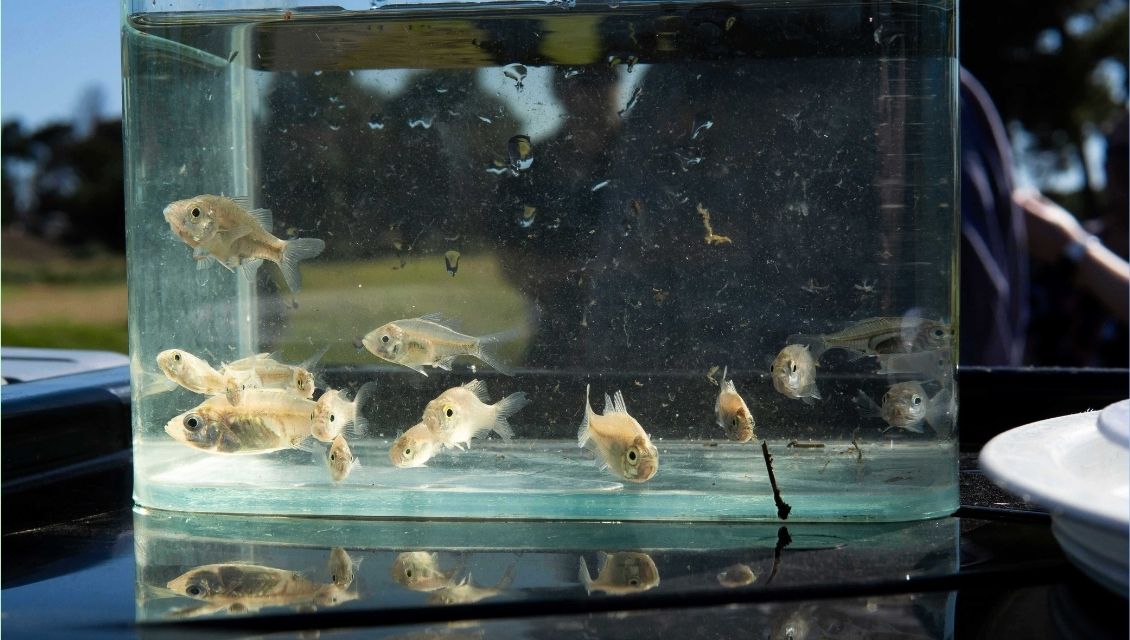
Once common in South Australian waterways, this native species hasn’t been sighted in the state since the 1980s. Now, olive perchlets sourced from a newly established population in Mildura will enable an introduction to a protected wetland at Glenelg Golf Club (external site), marking a significant milestone in freshwater fish conservation in SA.
Green Adelaide Presiding Member Professor Chris Daniels said the return of the species to SA is a hopeful sign for the future of native fish conservation in Adelaide’s novel urban wetlands.
“This is a tremendous achievement we’re welcoming a fish not seen in South Australia in 40 years to the wetlands of the Glenelg Golf Club,” Professor Daniels said.
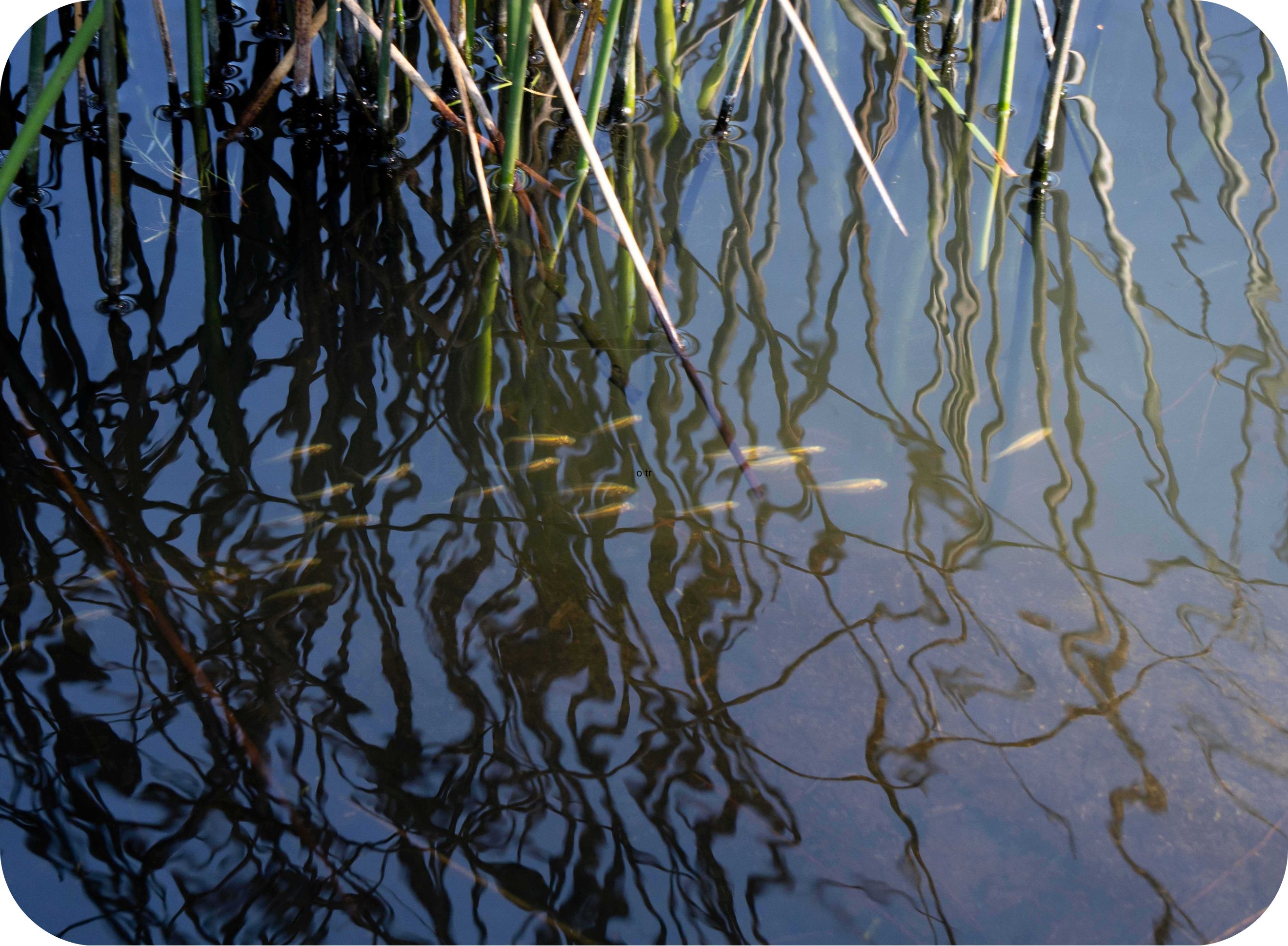
“This site offers a safe and controlled environment for the olive perchlets to ‘test the waters’. 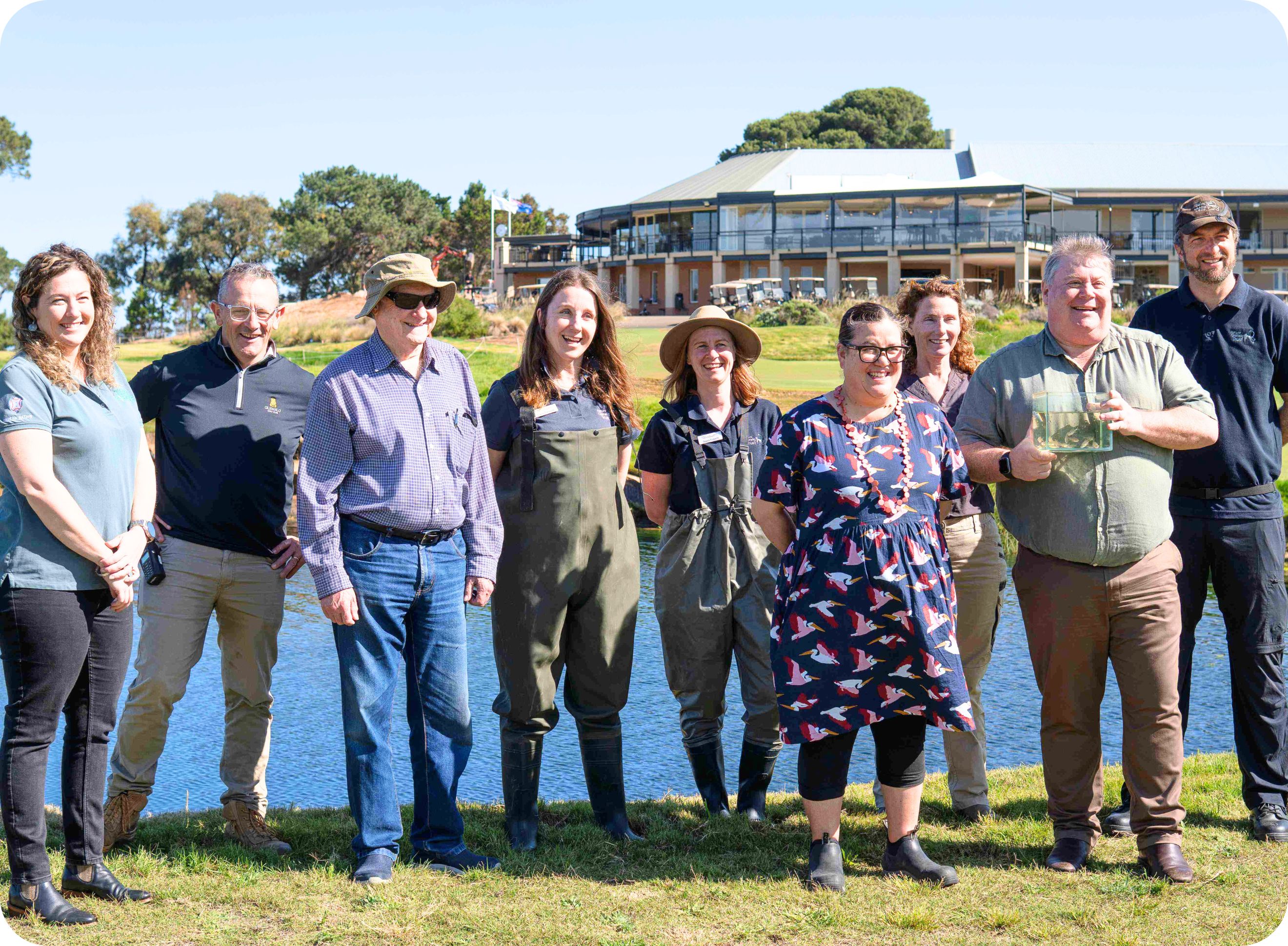 Once their successful establishment has been confirmed, we hope to rewild this species to other refuge locations before supporting their return to more of their natural range in SA."
“Careful consideration has gone into the conservation of this species and how the use of novel urban wetlands can play a key role in the recovery of this and other threatened freshwater fish species,” Professor Daniels said.
The initiative is part of broader efforts to restore biodiversity by translocating other native fish species into key urban waterways and wetlands, guided by the Action Plan for South Australian Freshwater Fishes (external site) (PDF) as well as regional species conservation plans.
Nature Glenelg Trust Senior Aquatic Ecologist Dr Sylvia Zukowski said the comeback of the olive perchlets reflects years of planning and collaboration with local landscape Boards, indigenous groups, landholders, Victorian Fisheries Authority, PIRSA and the Big Little Four Group (fish conservation project working group).
“Our comprehensive global assessment paper of the extinction risk of Australia’s native freshwater fish shows alarming results with 37% of the total assessed species being threatened using IUCN criteria. The return of olive perchlets to SA is an important milestone for reversing this trend and for freshwater fish conservation,” Dr Zukowski said.
“By implementing these freshwater fish recovery actions, we’re helping to reverse past trends of decline and reinstate unique biodiversity to our wetlands and waterways.”
 Glenelg Golf Club Course Superintendent Tim Warren said the club is proud to play a part in this initiative.
“Golf courses can offer unique opportunities in conservation,” Mr Warren said.
“We take our role in sustainability seriously, and we’re thrilled to provide a home for these little native fish.”
“Our members are usually trying to stay out of the water, but we’re happy to welcome the olive perchlets in!”
The fish have been released at Glenelg Golf Course, and will be closely monitored by Nature Glenelg Trust.
This project was made possible thanks to Green Adelaide, Nature Glenelg Trust, Glenelg Golf Course, Victorian Fisheries Authority (VFA), Snobs Creek Conservation Hatchery, North West Aquaculture and Department of Primary Industries and Regions.
This article first appeared on www.greenadelaide.sa.gov.au (external site) and has been reproduced here with permission.