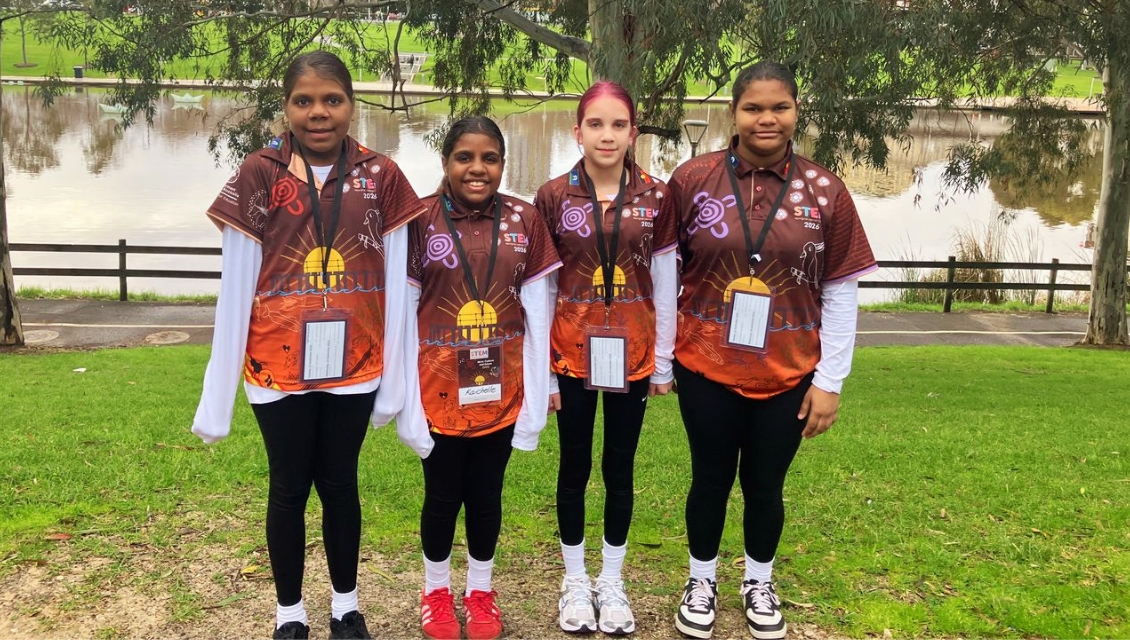

EdChat, an AI tool developed by the Department for Education in conjunction with tech giant Microsoft, will soon be rolled out in all public secondary schools.
The technology, similar to well-known large language model ChatGPT but with security in place to protect students from inappropriate information, will be up and running across SA schools from next term.
South Australia was the only jurisdiction in the country which didn’t ban AI in the classroom, instead embracing the opportunity to prepare students for a rapidly changing world.
The rollout comes as the independent Insights Report, published this week, evaluated how the more than 10,000 students and staff involved in the initial trial roll out interacted with EdChat over its first full year of use.
Key findings include:
- Students are predominantly using EdChat in school hours as a learning tool (93 per cent of student prompts are related to curriculum subjects at these times).
- It has been equally popular with educators and students, who took it up at similar rates: 36 per cent of educators and 41 per cent of students have used the tool at least once.
- Educators are beginning to use EdChat to support their workload, with initial findings showing it’s primarily used for curriculum management, drafting communications and insights for student learning.
The tool was provided to all staff at the Department for Education – including principals, teachers and pre-school staff – in late 2024.
Staff have also been using it to help with lesson planning, summarise student or staff data, such as survey results, and adapt materials to be suitable for different age groups or abilities.
It has resulted in a significant administrative workload reduction for staff – ensuring they are able to focus on teaching.
Adelaide Botanic High School Principal Sarah Chambers said the school embraced "the opportunity to be part of a trial of EdChat because as educators, we're proud to champion a future-focussed approach grounded in innovation".
"Our school is a living ecosystem for ethical innovation – where EdChat serves as a tool to enhance, not replace, the relationships that sit at the heart of education," Ms Chambers said.
"We work with our students to use EdChat, not to take shortcuts, but to challenge themselves, ask better questions, and develop their own voice and creativity.
"Using EdChat, they reflect, collaborate, and think critically, so they are not just learning content, they are learning how to learn."
MORE STORIES LIKE THIS