
Across Australia – and increasingly around the globe – the sunflower has become a symbol of hidden disability.
With one in six – or approximately 1.3 billion – people living with a disability, the Hidden Disabilities Sunflower is a simple way to voluntarily share that you have a disability or condition that may not be immediately apparent, and that you may need a helping hand, understanding, or more time in shops, at work, on transport, or in public spaces.
And on a local level the program is making a real difference, from corporate workplaces to grassroots sporting clubs.
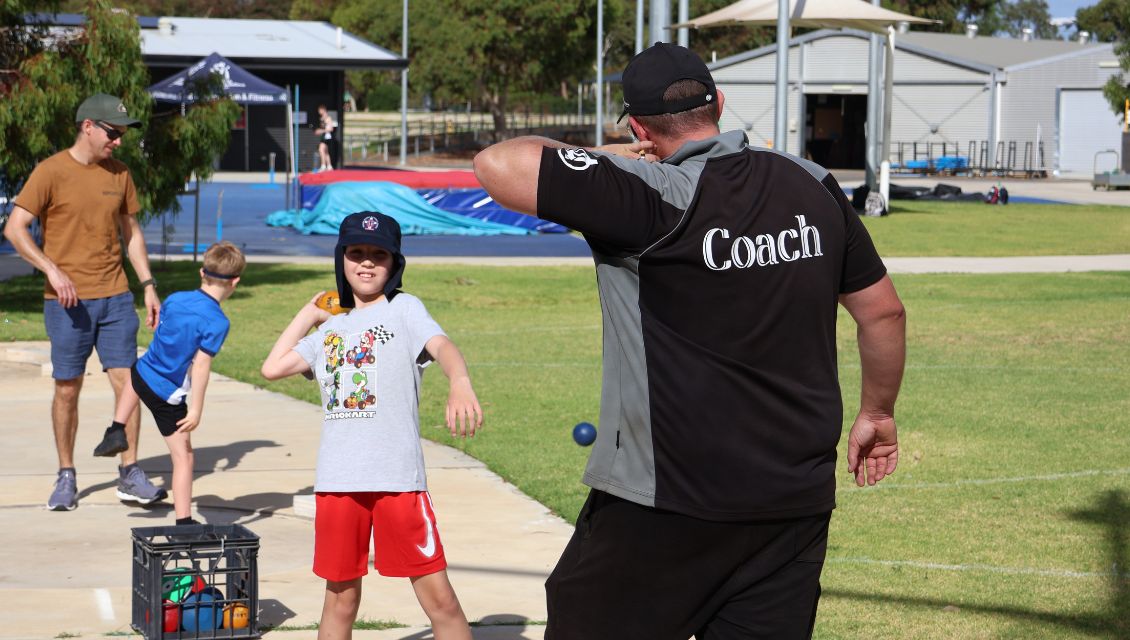
One place where the concept has taken hold is Little Athletics SA, which has established a Sunflowers for Autism Program thanks to support from a grant obtained through the State Government’s Office for Autism.
Little Athletics CEO Steve Baldas said the program demonstrated how grassroots sport could play a powerful role in creating genuinely inclusive communities.
"Th rough a combination of education, practical strategies and visible tools, we have empowered volunteers, coaches, officials and parents to better support neurodivergent athletes by breaking down barriers to participation and fostering a culture of understanding, patience and empathy across our network," Mr Baldas said.
"Over the course of the program, 13 in-person workshops were delivered across 39 clubs, engaging 102 participants, including coaches, officials, volunteers and parents.
"Each session was delivered in partnership with Disability SA, ensuring expert guidance and practical, real-world strategies for supporting neurodivergent athletes."
Mr Baldas, pictured, said the response from participants had been overwhelmingly positive, with most rating the workshops as "extremely or very useful", with feedback highlighting increased confidence in supporting neurodivergent athletes.
"Participants reported feeling more confident, or significantly more confident," he said.
"Importantly, the practical tools introduced such as breathing and regulation strategies, growth mindset language, visual schedules, sensory-friendly adjustments, and communication techniques are already being implemented acros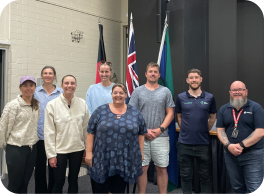 s clubs to create more welcoming and supportive environments.”
Sunflower kits, including wristbands, lanyards and pins, have been distributed to Little Athletics clubs across the state, and Mr Baldas said they were already helping to embed a culture of empathy and inclusion.
"The reach of the program extends well beyond workshop participants, positively impacting more than 6000 athletes, 100-plus officials, and over 9000 volunteers across Little Athletics SA," he said.
Mr Baldas said feedback had also highlighted a strong appetite for further learning, with clubs expressing interest in expanding future workshops to cover ADHD and other neurodivergent conditions, incorporate cultural considerations, and provide additional practical strategies for both parents and coaches.
"Through this initiative, Little Athletics SA has not only increased awareness and understanding of autism but has also equipped our community with the tools and confidence to create inclusive sporting environments where all children can participate and thrive," he said.
Visit the website for more information on training, support and grants offered through the Office for Autism.