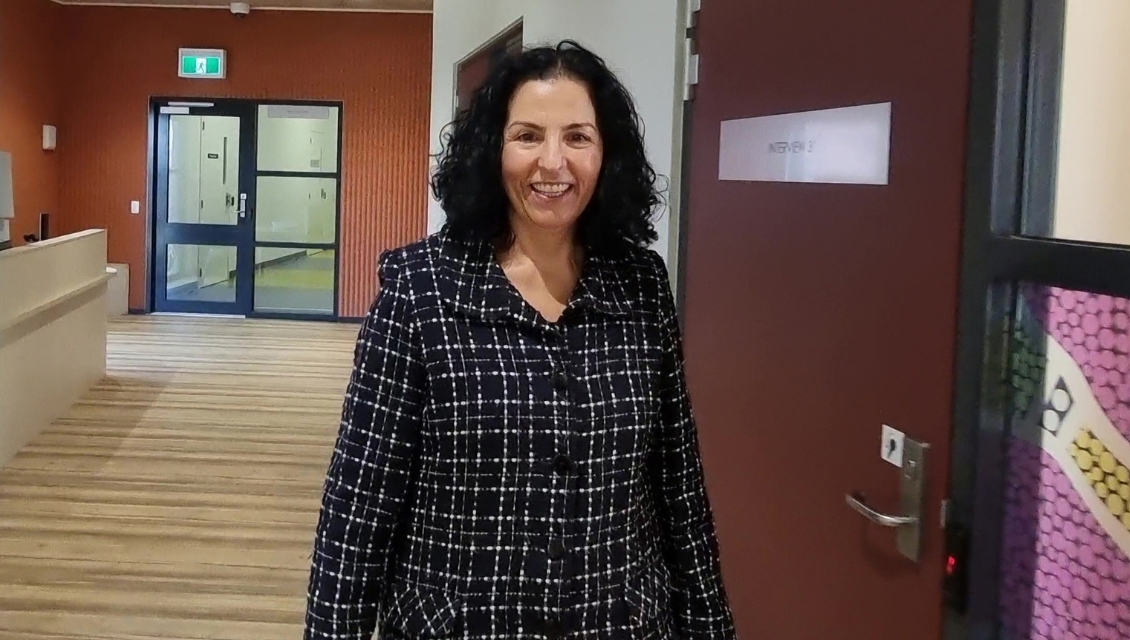
After 40 years working in youth justice, Angela Ricciotti still gets up in the morning and looks forward to coming to work.
As a youth justice worker, she’s seen the good, the bad and, as she puts it, "the ugly". But through all of it, Angela has never lost her belief in young people or the difference a supportive adult can make.
"I genuinely care for the young people, and I find it a privilege to work with them," she says.
But Angela didn’t start with a youth justice career in mind. She was working at a women’s shelter, teaching young mothers how to cook and build independent living skills, while also running a childcare centre at a Norwood youth centre. Then a friend suggested she might be brilliant working with young people in a custodial environment.
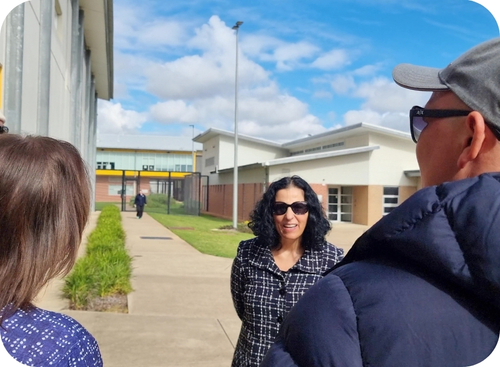
"And here I am 40 years later! I started as a youth justice worker and now work as a training compliance and welfare manager at Kurlana Tapa Youth Justice Centre where I look after the wellbeing of staff and young people alike."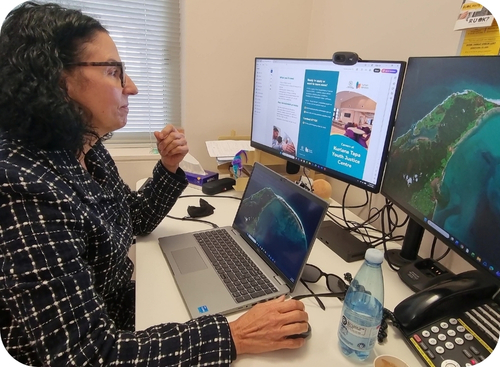
Seeing youth justice change
A lot has changed since Angela started in youth justice in 1986. There is now a much greater understanding of the complex needs and traumatic experiences that many young people in youth justice have faced.
A more therapeutic, individualised approach based on positive behaviour support and trauma informed practice to better meet the needs of the young people is the norm.
But one thing has remained constant for Angela: the privilege of being welcomed into a young person’s life, even if it is only for a short time.
"They let you into their lives," she says. "They know that you’re there and you’re a stability for them. It’s also important to be someone young people can talk to without feeling judged."
It’s never too late
Angela does however, wish that more people understood that a young person’s past does not have to determine their future.
"It’s never too late to make a positive change," she says. "The role of a youth justice worker is not to tell young people exactly what to do. It is to guide them, support them and help them make better choices in the future."
Sometimes those choices do not go to plan either, but that is part of the work in youth justice.
"You are there and you make sure that you sow those seeds and give the support that they need," Angela says.
"Because, you know, one day they may have an epiphany."
Over the years, Angela says young people have taught her just as much as she has taught them. They have taught her to be more tolerant, to accept that situations are rarely black and white and to look for the grey in between.
The moments that make it worthwhile
 Ask Angela about a moment that reminded her why her work matters and she has a few to choose from. She said that one that has stayed with her involved a young person she had worked with who later called and asked her to meet his partner and baby.
He was working in construction and spoke about getting up each morning and going to work. He talked about his family and how important that structure had become in his life and his plans for the future.
For Angela, it was a simple but powerful moment.
"He was just talking and saying that everything sort of came together and the skills that we taught him. And I think for me that was like, wow. It is those moments that remind me that change can happen."
A different way of seeing young people
After four decades, Angela’s message to the wider community is simple.
"Don’t be too quick to judge. It’s easy to make judgement because you read something or you see something. Instead, pause and think about what a young person may have experienced and the resilience and courage they may have already shown. Walk around in their shoes a bit."
It is advice Angela has lived by throughout her career. And after 40 years, she is still here, still learning, still supporting her colleagues and still believing that every young person has the capacity to make a positive change, albeit with a little help from others if needed.
To learn more, visit the Department of Human Services. If you are interested in a career in youth justice, visit the careers portal.
This article was prepared by the Department of Human Services and has been reproduced here with permission.
MORE STORIES LIKE THIS