It’s official: Kangaroo Island is now the largest island in the world to successfully eradicate an established population of feral pigs.
The milestone, a globally significant achievement for both environmental and agricultural reasons, delivers much-needed protection for local native species and farming industries.
The Kangaroo Island Feral Pig Eradication Program has been backed by $7.5 million in funding from the Federal and State Governments, along with South Australia’s livestock industry.
Kangaroo Island has been heavily impacted by feral pigs for many years, with the pest estimated to have cost the island more than $1 million annually in economic and environmental impacts.
Launched in 2020 in the wake of the Black Summer bushfires, the Kangaroo Island Feral Pig Eradication Program removed 878 feral pigs, with the last known sows removed in March 2024.
Opportunity out of tragedy
While the 2019/20 bushfires caused significant damage to the island’s environment, industries and civilian infrastructure, it also killed about 90 per cent of the feral pig population on Kangaroo Island – providing a once-in-a-lifetime opportunity to eradicate a damaging pest species from the island.
In July 2024, the feral pig eradication program entered a two-year "proof of freedom" phase, which included an extensive and targeted surveillance program across high-risk areas. During this time, no detections or signs of feral pigs were recorded, which has provided a high degree of confidence that feral pigs are no longer present on the island.
The program was delivered by the Department of Primary Industries and Regions SA in partnership with the Kangaroo Island Landscape Board, National Parks and Wildlife Service, AgKI, Livestock SA, Kangaroo Island farmers, landholders and other stakeholders.
Feral pigs are a significant agricultural and environmental pest. They prey on newborn lambs, damage crops and compete with livestock for pasture.
They also destroy natural habitats, impact threatened species, spread weeds, damage infrastructure and carry parasites and diseases that pose a serious threat to livestock, wildlife and humans.
Feral pig populations can increase rapidly, with modelling indicating that even a minimal residual population on KI, for example, one male and one female present in March 2024, would have grown to between 30 and 100 individuals by May 2026.
On ground and in the air
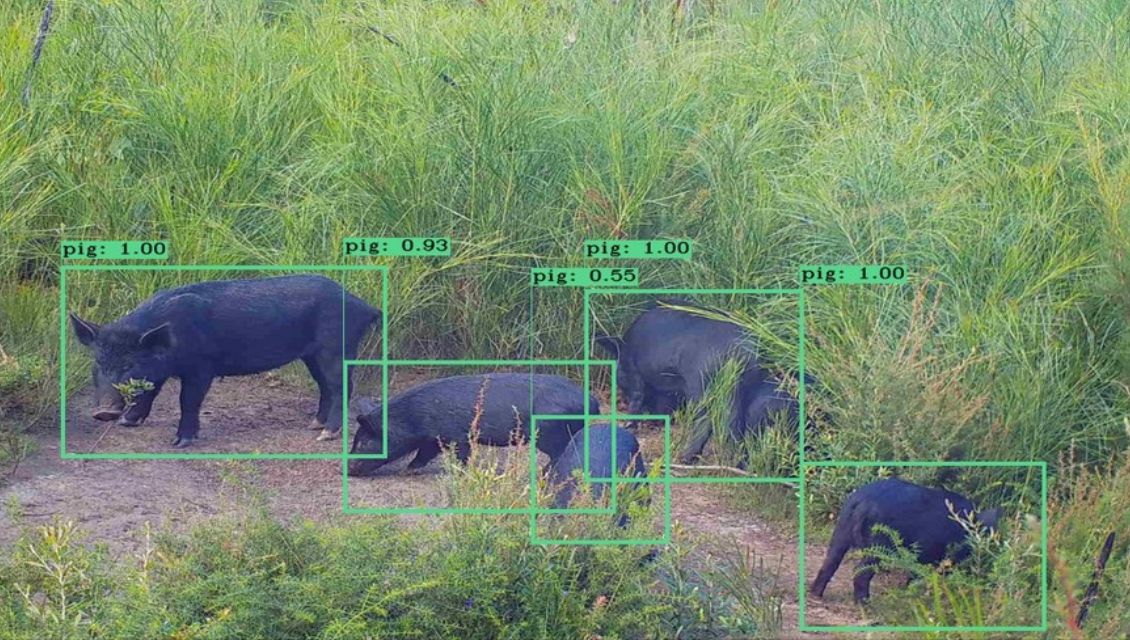
The eradication program used a combination of thermal-assisted aerial culling, detector dogs, ground shooting and ground baiting. This was supported by forensic analysis of feral pig DNA in creeks and rivers, as well as a network of more than 500 monitoring cameras assisted by artificial intelligence.
The Kangaroo Island Feral Pig Eradication Program is now being recognised as a flagship example of best-practice invasive species management, with the skills, technology and lessons learned expected to help inform future pest eradication efforts across South Australia and beyond.
Kangaroo Island Landscape Board chair Andrew Heinrich said eradicating the pests was "a major win for our farmers, our environment, and the long-term biosecurity of the island".
"Kangaroo Island has a proud history of successful pest animal eradication, including fallow deer and feral goats," Mr Heinrich said.
"Strong biosecurity has also helped keep high-risk species such as foxes, rabbits and ferrets from establishing here.
"These achievements do not happen by accident. They come from years of persistence, skilled people on the ground, strong partnerships, landholder support, good science and smart technology. I congratulate everyone involved in reaching this milestone."
Mr Heinrich said many of the tools, technologies and field skills developed on Kangaroo Island have been shared with, and adopted by, pest animal programs on the mainland.
He said the Board was now laser-focused on completing the Dudley Peninsula Feral Cat Eradication Program, which will make the Dudley Peninsula the largest human-inhabited, feral cat-free area in the world.
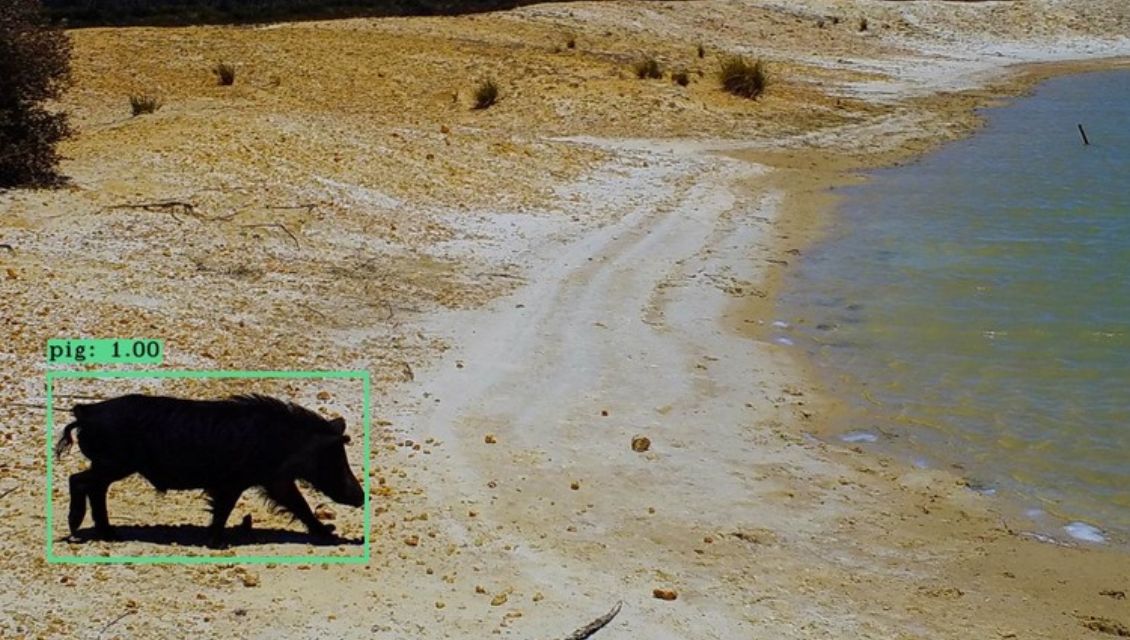
Inset Images: AI-assisted image analysis helped field teams win the final rounds of hide and seek, detecting this elusive boar.
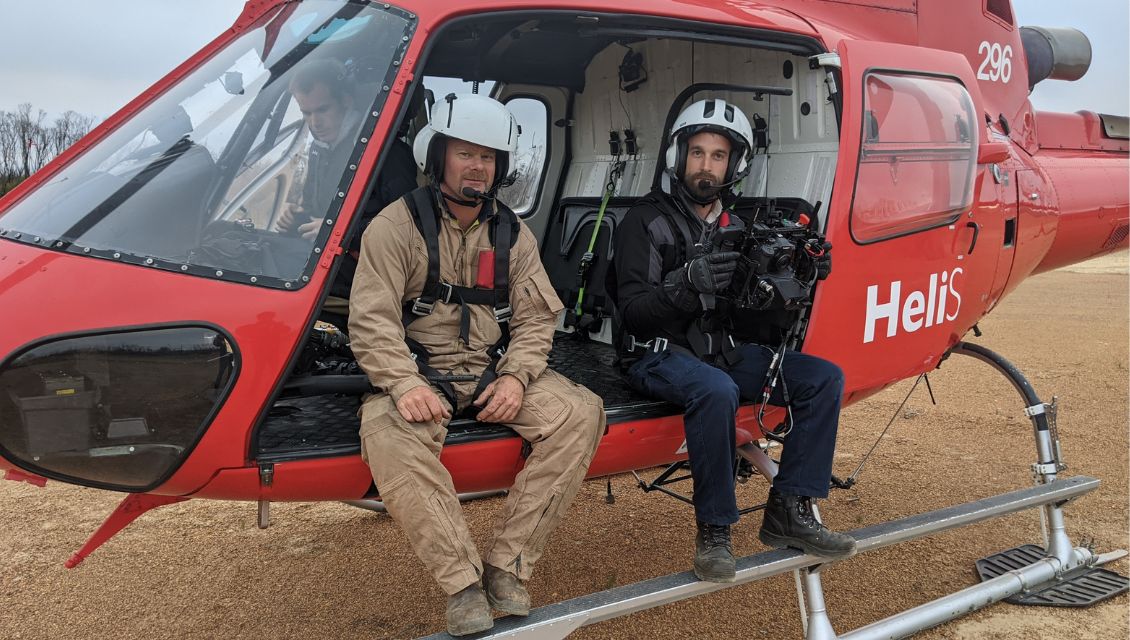
Rob Matthews (pilot, HeliSurveys), Brenton Florance (aerial shooter, KI Landscape Board) and Tony Blumson (thermographer, HeliSurveys) preparing for aerial culling on the military-grade thermal-assisted helicopter that was critical to the success of the eradication.