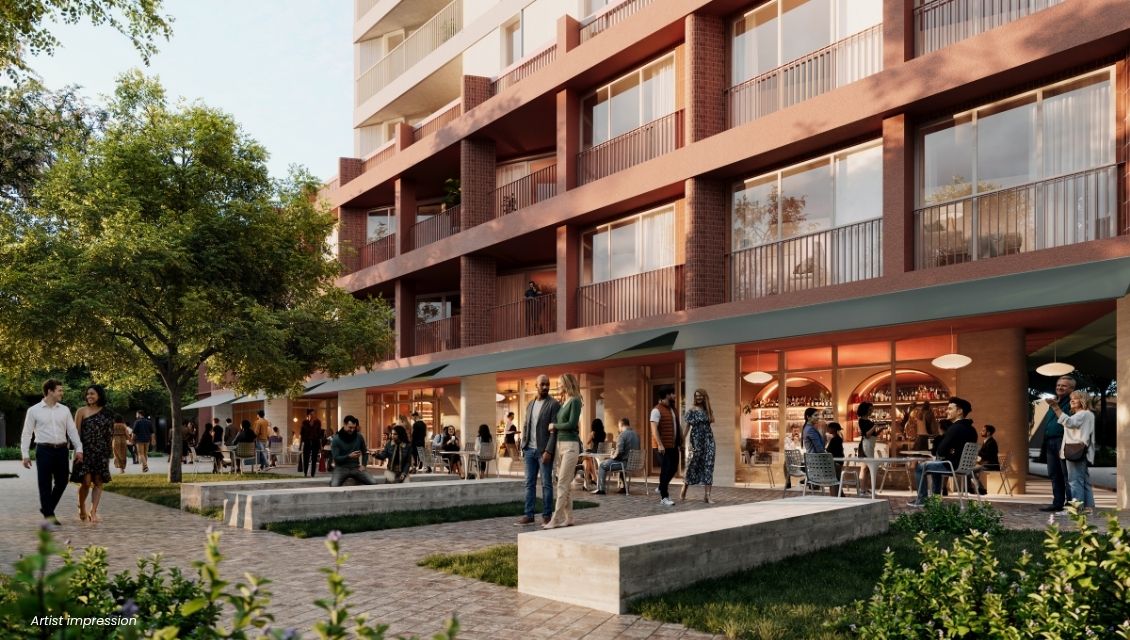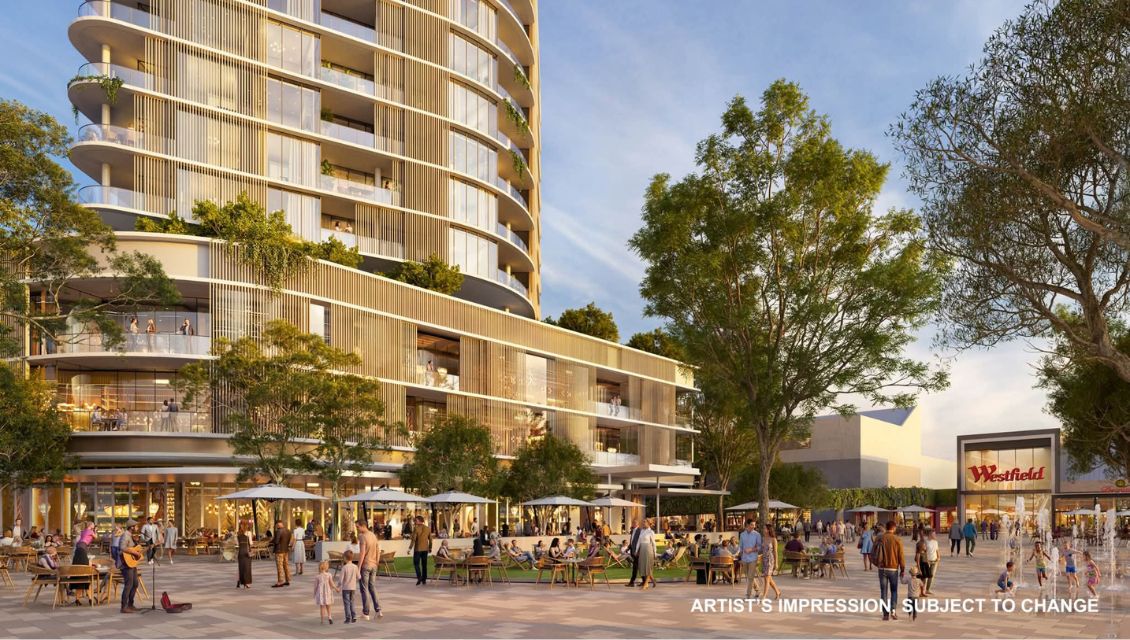

Building more homes for South Australians is about far more than just bricks and mortar, it’s about creating dynamic neighbourhoods where people can truly connect, access services and places they want and need, and feel at home.
That’s where Julie Douglas, South Australia's first Social Infrastructure Planning Manager at the Department for Housing and Urban Development comes in.
From recreation facilities and libraries to health clinics and community hubs, Julie’s job is to partner with local governments and developers to make sure every new suburb includes the essential places people rely on.
These are the spaces where you can connect with others, access services, learn new skills, take part in activities, or simply feel part of the community.
It’s all about ensuring that as new houses go up, so do the places around them that help people thrive.
Julie works to figure out what each new neighbourhood would likely need, for example, how many sports c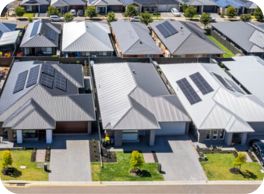 ourts, parks, schools, health care systems and community centres will make the area buzz, so that everyone, whether they're new residents or long-time locals, can enjoy better services and a livelier place to live.
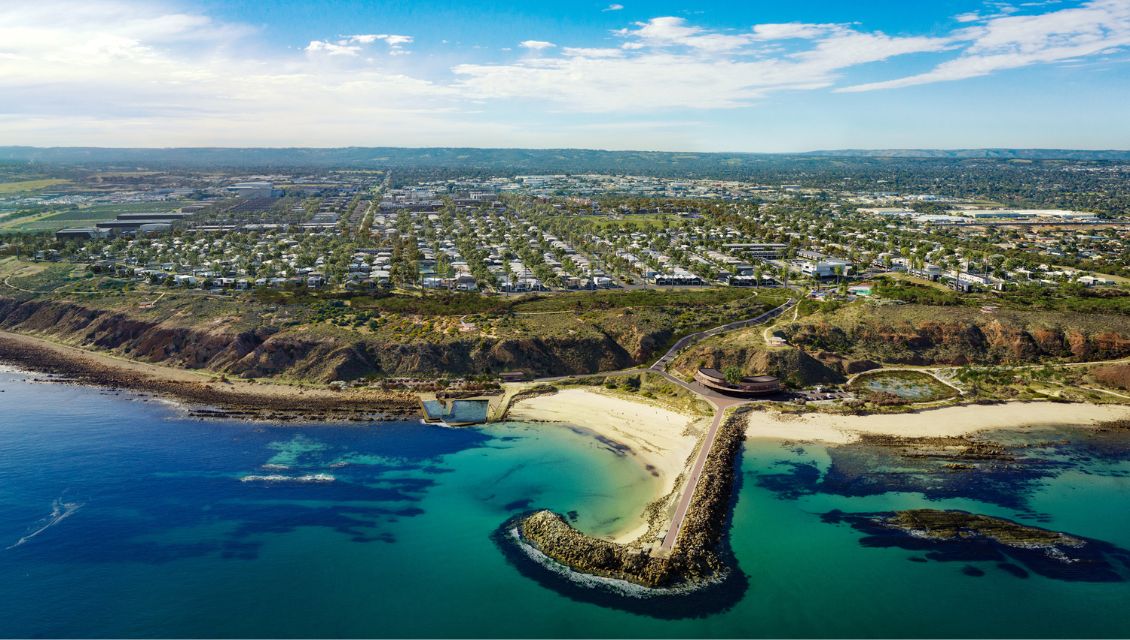
Her work has included coordinating the social infrastructure planning for Concordia and Sellicks Beach, working alongside her team and other key stakeholders to create SA’s first Infrastructure Scheme, developing a guide for planning social spaces in growth areas, and most recently working with the Rural City of Murray Bridge to help them plan for the places their community needs.
"My role in the Department of Housing and Urban Development is social infrastructure planning … so it is about managing the planning for social infrastructure across the growth area sites," Julie says.
"Social infrastructure includes the facilities, the spaces and the services that meet human needs in communities. So it’s a broad range of things, education, health, libraries, sporting facilities, emergency services.
"It just builds those connections within communities, which we know is very important for the community to function and it's also good for the wellbeing of people living there."
Julie says that a failure to plan for social infrastructure could result in a community where essential facilities were "disarticulated from each other".
"People struggle with the transport and the legible connectivity between places," she says.
"When it's planned well, we plan it so that there's some walkability and there's some co-location opportunities that are created.
"So it makes the most of that s pace so that it has multiple purposes and people are coming to it and it's very activated and it's very accessible."
Julie says planning for social infrastructure involved looking at population forecasts and trends for the area and anticipating what the likely needs will be.
"So if there's going to be a lot of young children, we know that there's going to be a need for childcare centres and preschools and playgrounds," she says.
"We might look at what the needs of the school-aged kids are going to be, what the needs of the parents are going to be and what kind of family services might be needed.
"We also look at what aged care services might be needed and one of the things that we're doing is developing some benchmarks around the provision of social infrastructure, which is really just a bit of guidance around what level of provision is appropriate to provide for populations of various sizes.
"For example, 6000 people might trigger the need for a primary school."
So, when a new suburb pops up just around the corner, you can be confident it’ll come filled with vibrant and convenient community spaces and essential services to make life easier and more enjoyable.
It’s all about ensuring everything you need is right at your doorstep, creating not just houses, but thriving neighbourhoods you’re proud to call home.