
Four new dedicated collection points to safely dispose of embedded battery products are now open across Adelaide.
Embedded batteries, found in common rechargeable appliances, can easily spark fires when compacted with other materials in collection trucks and waste facilities, putting truck drivers, facility workers and households at risk.
The State Government, with support from Green Industries SA, has established the four new collection points to safely manage battery disposal and provide more ways for people to recycle their old products.
The free service is available at Campbelltown Works Depot, Adelaide Waste and Recyling Centre (North Plympton), Heathfield Resource Recovery Centre and NAWMA Resource Recovery Centre (Edinburgh North).
Accepted embedded battery items include:
- bluetooth speakers and headphones
- flashing/light up, remote controlled and ride-on toys
- e-scooters, e-bikes and hoverboards
- electric toothbrushes and shavers
- vacuum cleaners (cordless hand-held and robotic)
- wearable devices such as smart watches, trackers and medical aids.
Incorrectly disposed of batteries in kerbside bins contribute to more than 10,000 battery fires in Australia each year, threatening community safety and key services.
The MFS is also seeing an increase in lithium-ion battery fires, responding to around 50 incidents so far this year – more than last year’s total related cases. The CFS has responded to around 20 lithium-ion battery fires in 2025.
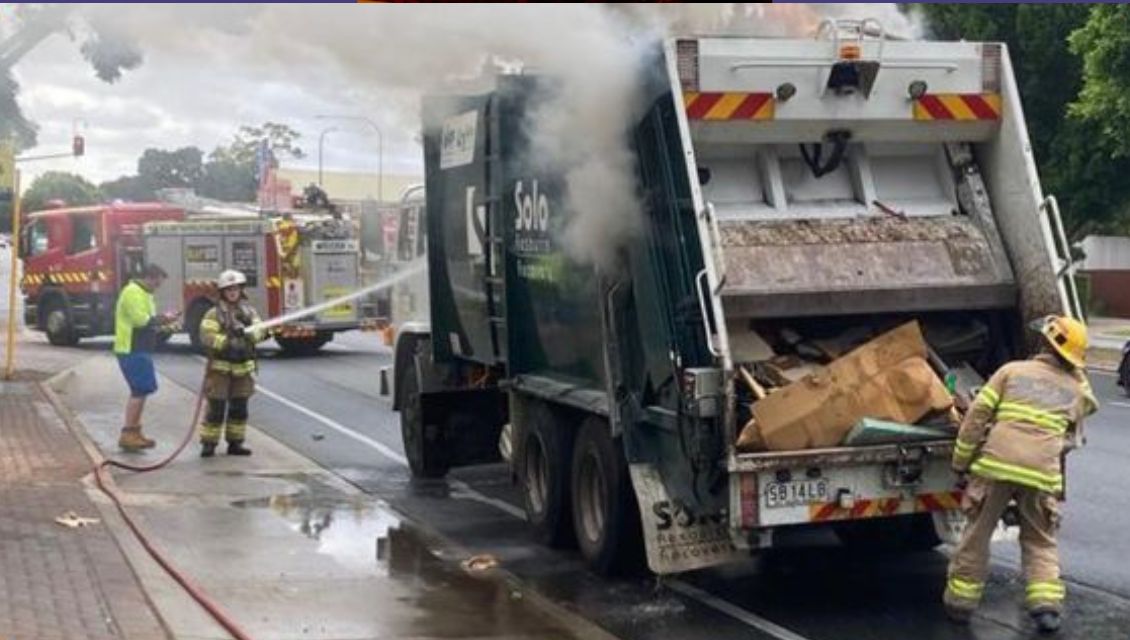
Recent South Australian incidents which industry believe are linked to batteries include major fires at Goolwa and Port Augusta waste and recycling depots, and a blaze in the back of a collection truck in the CBD.
This initiative has been delivered in partnership with the Adelaide Hills Regional Waste Management Authority, Northern Adelaide Waste Management Authority, Campbelltown City Council and City of West Torrens – and follows calls from industry and councils for more support.
MFS Chief Officer Jeff Swann said firefighters were increasingly responding to incidents that were near misses, and if behaviours didn't change would soon be heading out to a serious injury, or worse.
"Lithium-ion batteries power many of the devices we rely on every day, but when they’re damaged, modified, or charged incorrectly, they can become extremely volatile," Mr Swann said.
Waste Management and Resource Recovery Australia CEO Gayle Sloan said battery-related fires were "one of the fastest growing and most serious risks facing the waste and resource recovery industry".
"This expansion will directly assist in improving safety for our workers, vehicles and communities across South Australia," she said.
In addition to the new embedded battery drop-off centres, South Australians can continue to safely dispose of their loose and easily removable batteries year-round at accredited B-cycle locations including in regional areas. This includes AA, AAA, C, D, 9V, 6V, button cell, detachable appliance and power tool batteries.
Once these loose household batteries are dead, people are encouraged to tape both terminals and store in a safe location, out of reach of children, before dropping it off at the nearest battery recycling collection point which includes supermarkets.
For more details on accepted embedded battery items and opening hours of drop-off locations, visit: greenindustries.sa.gov.au/batteries. Green Industries SA will run a targeted education campaign to reinforce safety messaging.
MORE STORIES LIKE THIS